 Qtrends
Starlink launches V5 home dish and in-flight internet
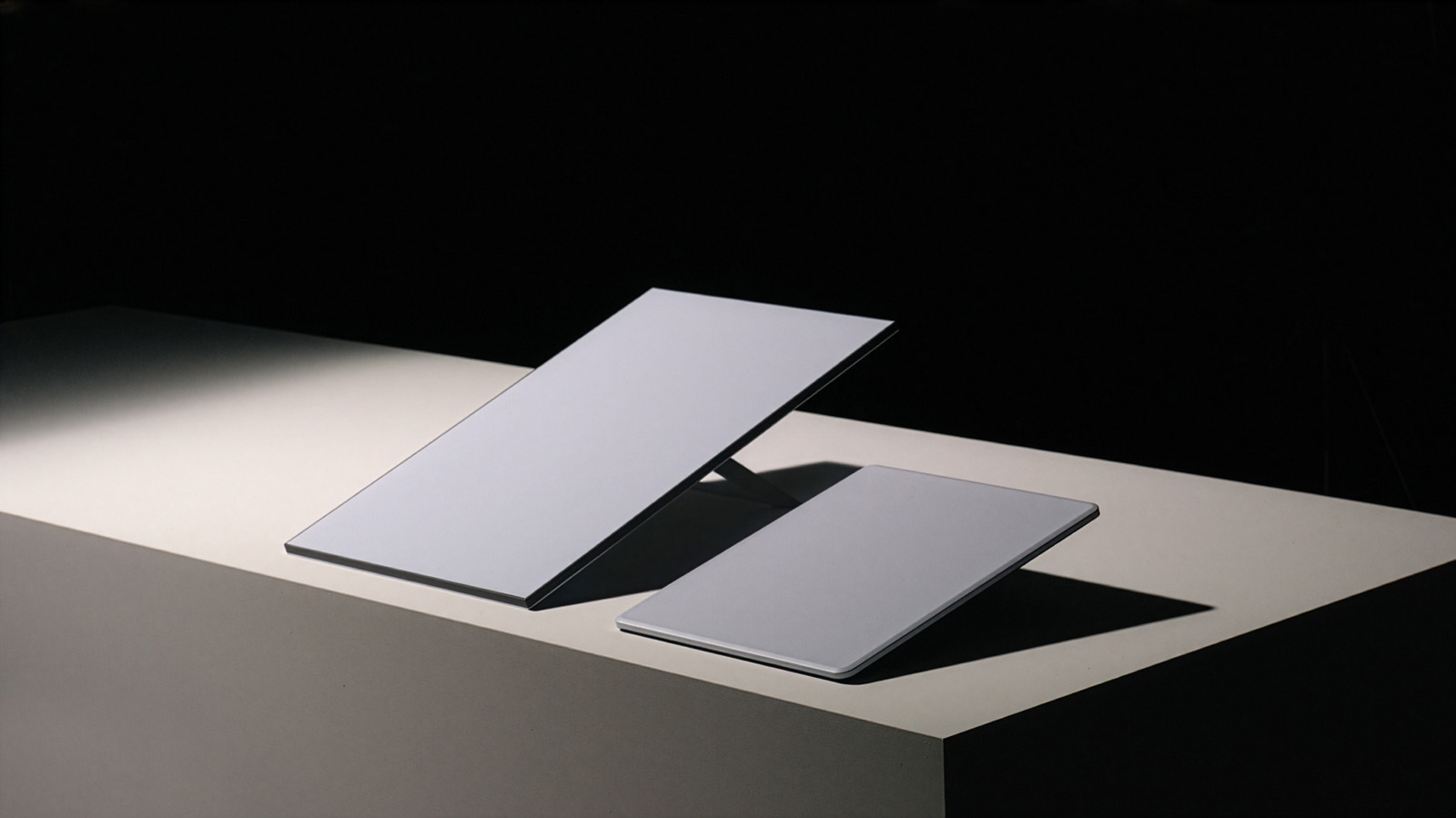 SpaceX's Starlink has announced the V5 home dish, which is smaller, lighter, and more energy-efficient than previous models. The upgrade improves ease of installation and lowers power consumption for residential users. Separately, Frontier Airlines has joined the Starlink network to offer high-speed in-flight internet to passengers.
Sources:
Frontier joins the Starlink club with high-speed in-flight internet
(Digital Trends)
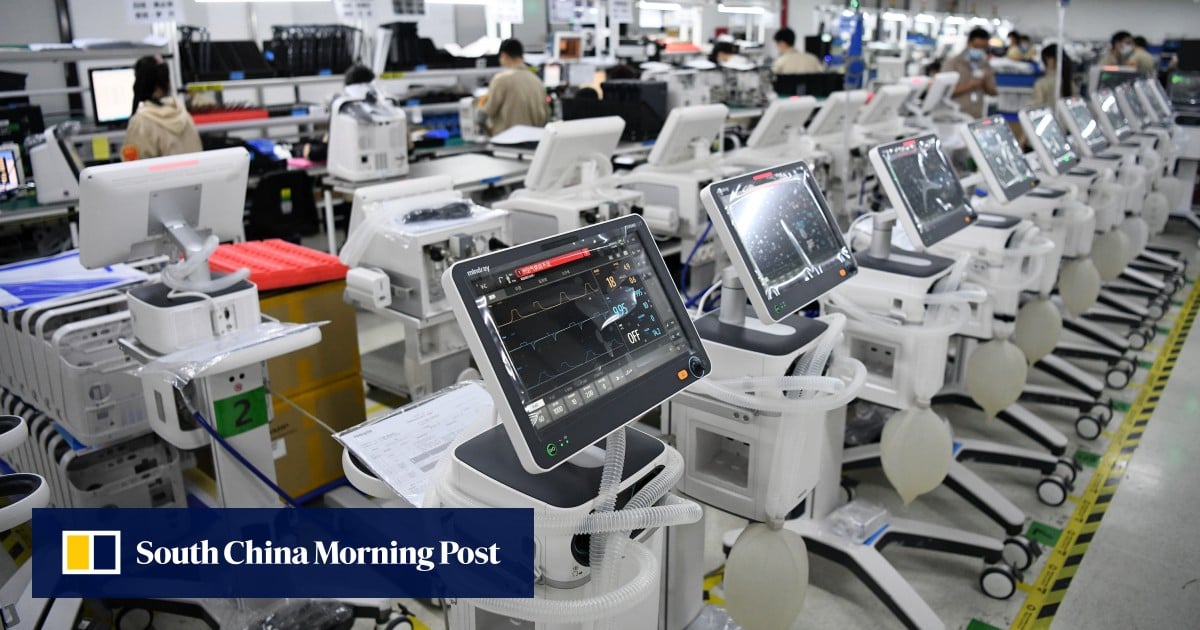 Chinese medical device companies are looking to European markets for relief from intensifying regulatory scrutiny and hospital probe campaigns at home. Meanwhile, Shanghai is accelerating its brain-computer interface (BCI) industry, aiming to sharpen China's competitive edge. China Daily reports that BCI breakthroughs are poised to reshape the country's healthcare system.
 A lawsuit alleges that Meta used AI systems to tag employees who were on medical or personal leave for layoff decisions, bypassing human review. Former employees claim the AI was biased and discriminatory, leading to unfair terminations. The case has sparked fresh debate over the role of AI in human resources and workplace automation.
 New York has enacted a one-year moratorium on data center construction projects exceeding 50 megawatts, sending shockwaves through the AI industry. The move comes amid concerns over energy consumption, environmental impact, and unpermitted power projects affecting communities. Critics argue the ban could stifle AI infrastructure growth and drive development to other states.
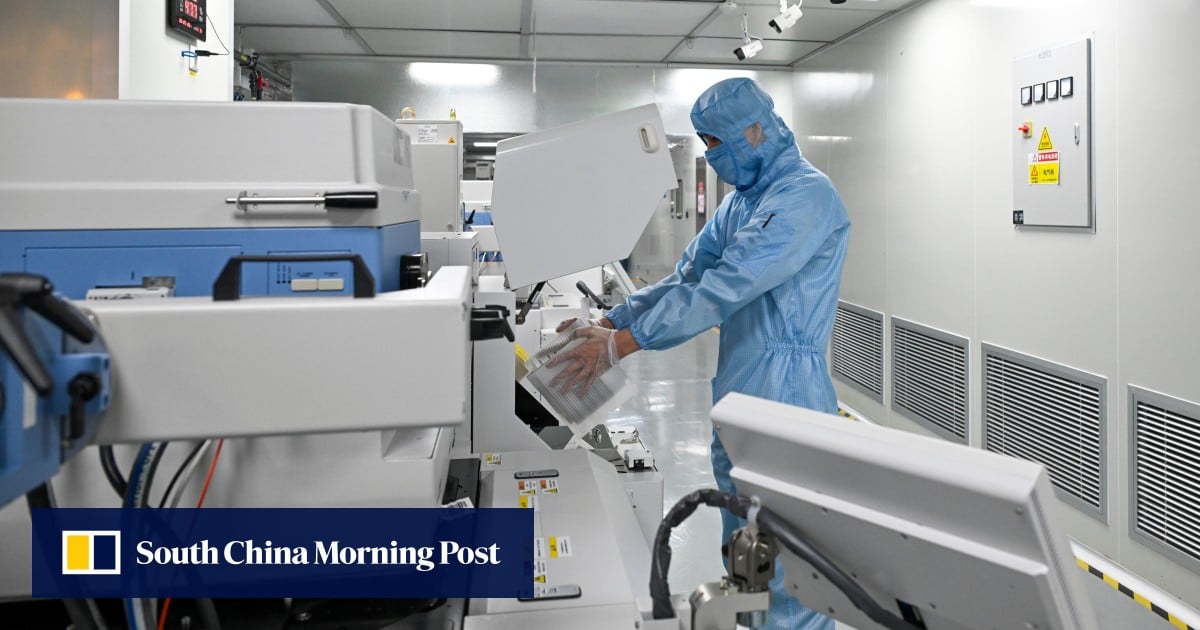 China's semiconductor exports surged in the first half of 2026, nearly doubling year-on-year to reach up to US$177 billion, driven by the global AI boom and rising memory prices. Exports of automatic data processing machines and parts jumped over 41% to top US$138 billion. The strong performance in chips helped offset weakness in other trade sectors.