 Qtrends
Chinese medical device makers eye Europe as trade barriers loom
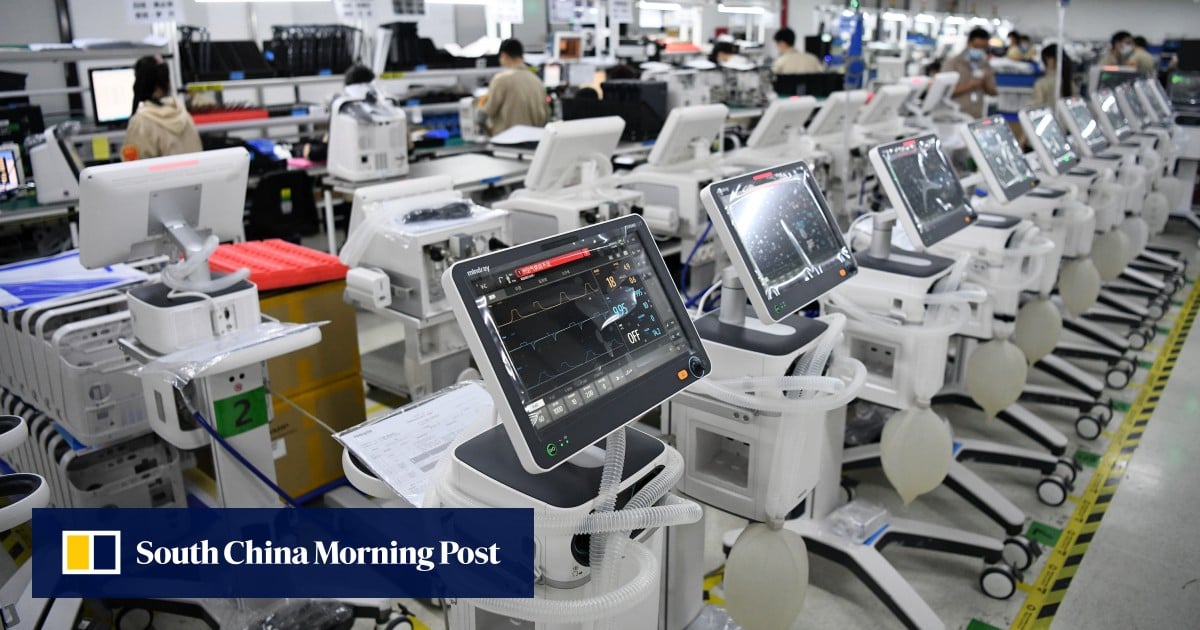 Chinese medical device companies are turning to Europe for growth opportunities as they face increased scrutiny from hospital procurement probes at home. The move comes amid rising protectionist pressures in overseas markets. Separately, Shanghai is accelerating its brain-computer interface (BCI) development, with state media reporting that BCI breakthroughs are poised to transform China's healthcare system.
Sources:
Shanghai gears up to sharpen BCI edge
(China Daily)
BCI leap revamping China's healthcare system
(China Daily)
 China's DeepSeek is reportedly in talks for a new funding round that could value the company at $70 billion, just weeks after closing its Series A. The fundraising frenzy extends beyond China — the founder of Hinge raised $18 million to launch Overtone, an AI-powered dating service, and an OpenAI researcher is in talks to start an AI drug discovery venture valued at $2 billion.
 The world's first HDR10 smart glasses have been released, drawing attention from tech enthusiasts. However, early reviews are mixed — a BBC journalist who tested AI glasses in Paris highlighted significant inaccuracies. Pop star Lorde added to the skepticism, bluntly stating that AI glasses are 'not sexy', raising questions about consumer adoption.
 Chinese AI giants and startups are preparing for the 'agentic web' era, embedding AI agents into platforms and launching native AI products. Two Chinese labs, Yoolee AI and InfiX.ai, say they aim to challenge US rivals like Thinking Machines Lab with industry-specific solutions at lower costs. Taiwan's companies are also leveraging AI to manufacture AI servers, underscoring the deepening AI supply chain integration.
 Meta is facing a lawsuit from former employees who claim the company used AI systems to tag workers who had taken leave for termination during layoffs. The lawsuit alleges that the AI was biased and discriminatory, marking one of the most prominent cases of AI allegedly being used to make or influence employment decisions without adequate human oversight.