 Qtrends
Meta sued over alleged AI-driven layoff decisions
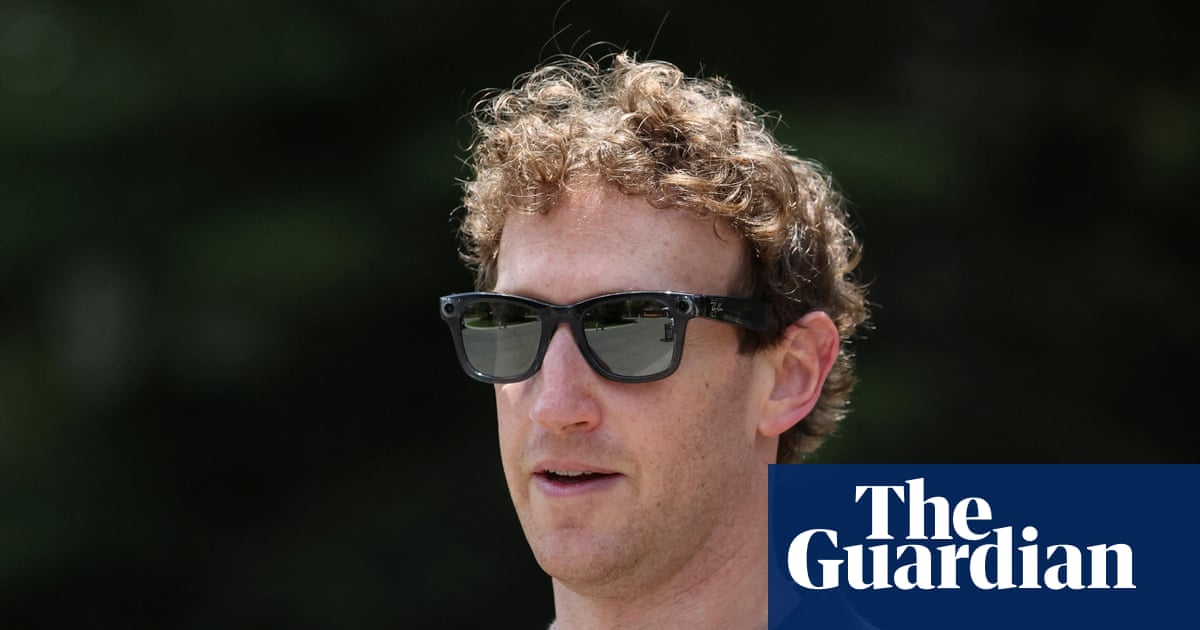 Meta is accused of using an AI system to flag employees who had taken leave for layoff selection, according to a lawsuit filed by former employees. The plaintiffs claim the algorithm discriminated against workers on medical or family leave, bypassing human review. The case highlights growing concerns over opaque AI decision-making in corporate human resources. Ars Technica and Gizmodo also report on the suit, which could set a precedent for AI accountability in employment.
Sources:
 OpenAI's debut hardware product is reportedly a screenless smart speaker capable of physical movement, positioning it as a companion rather than a conventional smart speaker. Reports from TechCrunch and Gizmodo describe the device as a new form factor focused on ambient interaction. Digital Trends suggests the device leans toward emotional companionship rather than utility. The move signals OpenAI's expansion beyond software into consumer hardware.
 New York has imposed a one-year moratorium on data center construction projects exceeding 50 megawatts, sending shockwaves through the AI industry which relies heavily on such infrastructure. The decision follows community and environmental pushback, including concerns about unpermitted power projects affecting Black communities. The ban could slow AI expansion in the region and force companies to seek alternative locations. Tom's Hardware reports the policy took effect on July 14, 2026.
 Bank of England governor has called for international cooperation to address AI threats, warning that no single country can manage the risks alone. China is developing its own AI safety benchmarks targeting large model risks such as data leaks and hallucinations. DeepMind CEO urged the creation of an independent standards body to oversee frontier AI development. The convergence of these voices signals a growing global consensus on the need for structured AI governance.
 ZDNet's hands-on review of the world's first HDR10 smart glasses highlights promising display technology but notes practical limitations. BBC tested AI-powered glasses in Paris and documented notable accuracy issues. Pop star Lorde publicly dismissed AI glasses as 'not sexy,' adding a cultural critique to the tech conversation. The mixed reception underscores that AR glasses still face significant hurdles in design, reliability, and mass-market appeal.