 Qtrends
New York bans large data center construction for one year
 New York has imposed a one-year moratorium on data center construction projects exceeding 50 megawatts — the first such ban in the US. The move has rattled the AI industry, which depends heavily on data center capacity for training and inference. Critics argue the ban could stifle AI innovation and push projects to other states. Supporters say it addresses energy grid strain and environmental concerns. The decision signals growing tensions between AI infrastructure demands and local regulatory pushback.
 Chinese local governments are driving tech innovation through incubators and robotics-focused events. Shanghai's incubator ecosystem is advancing frontier technologies across multiple sectors. In Shandong, Jining city hosted an innovation event promoting its regional robotics hub. These grassroots efforts reflect China's broader strategy of building tech self-reliance from the ground up, with local governments playing a key role in supporting startups and manufacturing upgrades.
 Alibaba is partnering with Honor to develop AI agentic devices, signaling a major push into the agentic web era where AI agents become the primary interface for users. Chinese tech giants and startups alike are embedding AI agents into products and launching native AI experiences. Meanwhile, Chinese AI labs like Yoolee and InfiX.ai say they can challenge US frontier labs by focusing on industry-specific solutions, lower costs, and enhanced privacy — a sign that China's AI ecosystem is maturing beyond catch-up mode.
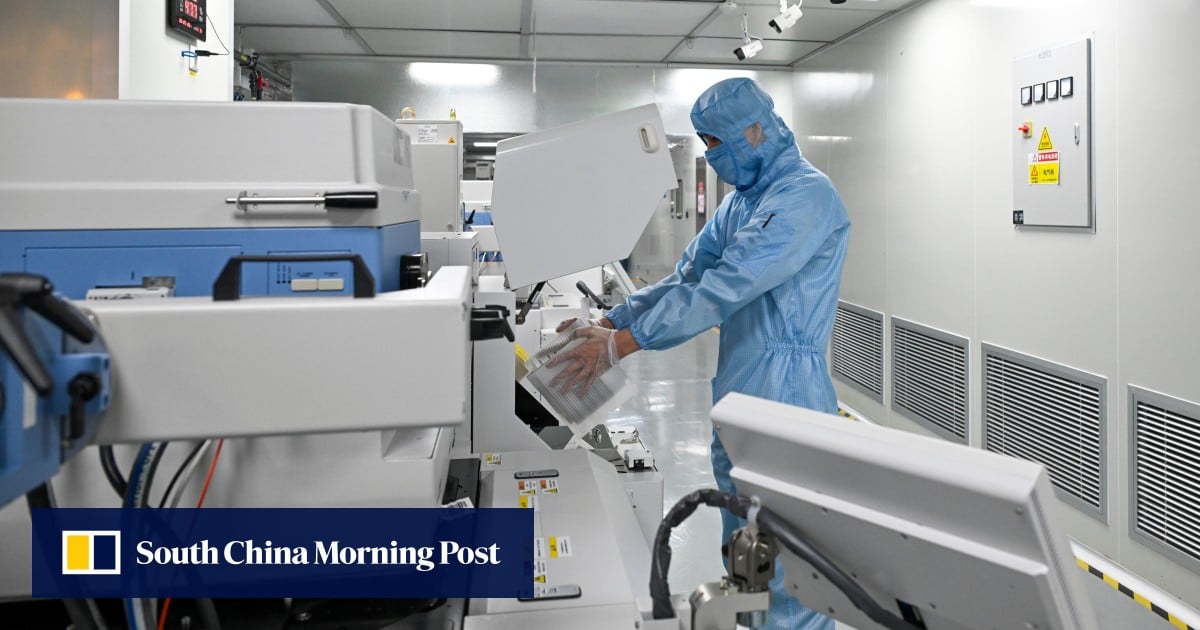 China's chip exports nearly doubled in the first half of 2026, reaching approximately $177 billion, fueled by the global AI boom and surging memory chip prices. The data underscores how China's semiconductor exports are benefiting from AI-driven demand even as the US maintains export controls on advanced chips. Tom's Hardware and Nikkei Tech both report that the surge helped offset weaknesses in other trade sectors, though analysts warn that much of the growth comes from lower-end chips and memory rather than cutting-edge logic.