 Qtrends
Chinese AI startups race ahead with AI-native devices
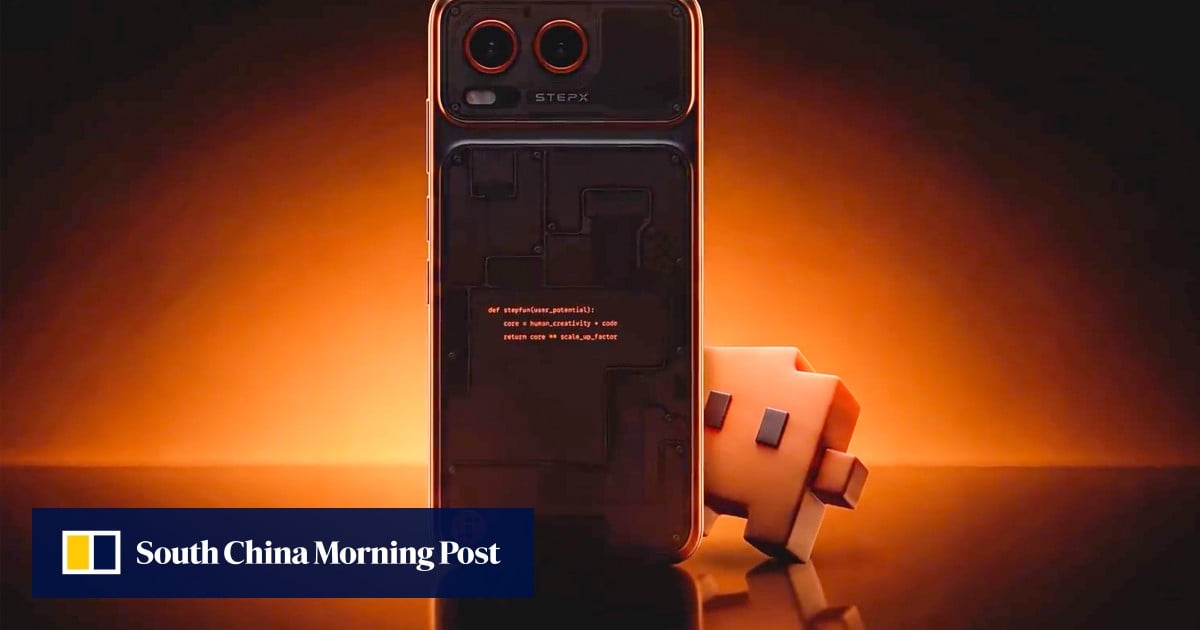 China's StepFun, backed by Tencent, launched the StepX Neo smartphone, claiming it as the world's first AI-native phone, beating Apple and OpenAI to market. Alibaba is partnering with Honor to develop AI agentic devices as Chinese tech giants and startups accelerate into the agentic web era. Meanwhile, Siri AI is evolving into Apple's comprehensive tool, and Chinese AI labs like Yoolee and InfiX.ai are challenging US rivals with industry-specific solutions.
Sources:
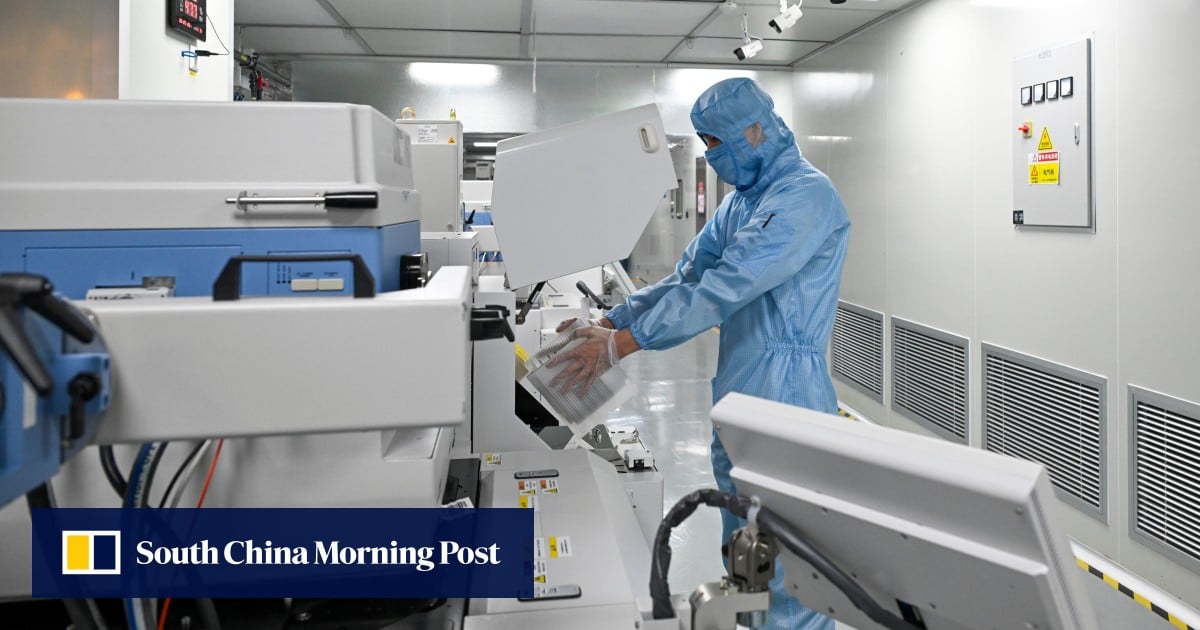 China's semiconductor exports nearly doubled to $177 billion in the first half of 2026, fueled by surging global AI demand and rising memory chip prices. The export surge highlights China's growing role in the global chip supply chain despite ongoing trade tensions. Broader Chinese trade data also reflects AI-driven growth offsetting weakness in other sectors.
 New York State has become the first US jurisdiction to ban new data center construction, enacting a one-year moratorium on projects exceeding 50 megawatts. The move has sent shockwaves through the AI industry, which depends heavily on expanding data infrastructure. Tech commentators warn the ban could stifle AI development and drive data center investment to other states.
 Software engineers worldwide are adapting to AI disruption by chasing new skills, returning to fundamentals, and pushing for collective action. Superhuman launched an auto-draft feature that makes AI-generated replies more palatable. Meanwhile, MIT Technology Review analyzed what Anthropic's latest AI discovery meaningfully reveals about model interpretability.
 Incubators in Shanghai are driving frontier technology innovation across multiple sectors. Shandong's Jining city promoted a regional robotics hub during a recent innovation event. These efforts reflect China's broader push to strengthen industrial tech innovation at the grassroots level.