 Qtrends
Apple sues OpenAI over trade secret theft
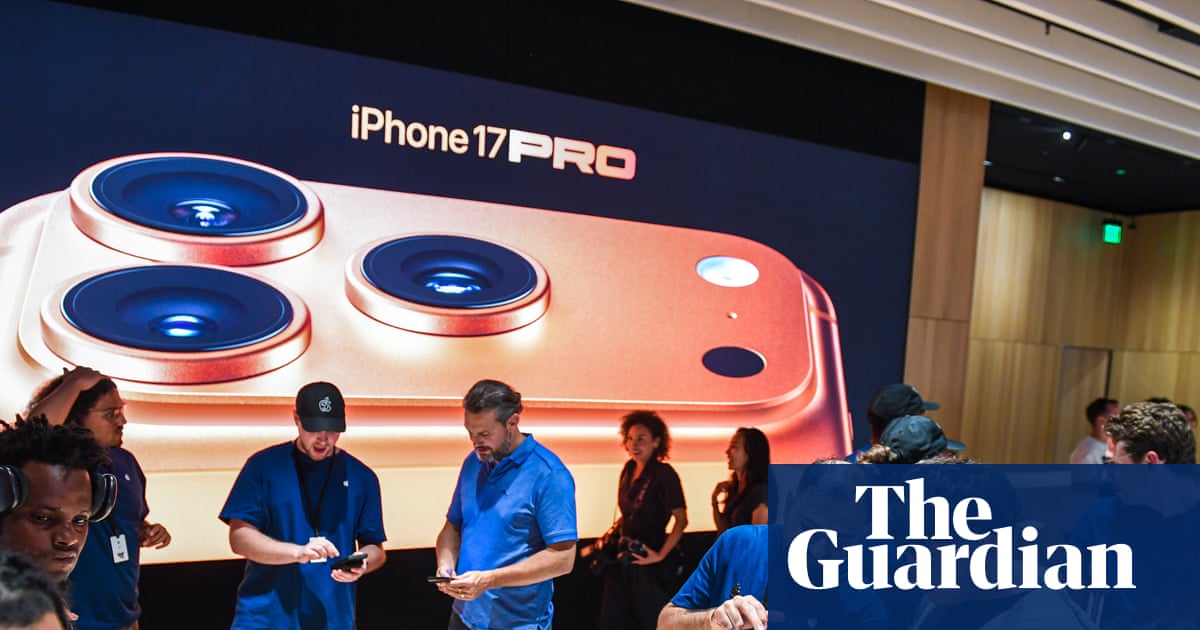 Apple has filed a lawsuit against OpenAI, accusing the company of stealing trade secrets through a former Apple engineer who allegedly exploited a bug to exfiltrate confidential data. The case has drawn attention from tech giants, sparking a renewed online conflict between Elon Musk and Sam Altman. Multiple outlets report that the allegations include unauthorized access to proprietary systems and development plans. The lawsuit marks one of the most high-profile intellectual property disputes in the AI industry.
Sources:
Apple sues OpenAI over alleged trade secret theft
(TechCrunch)
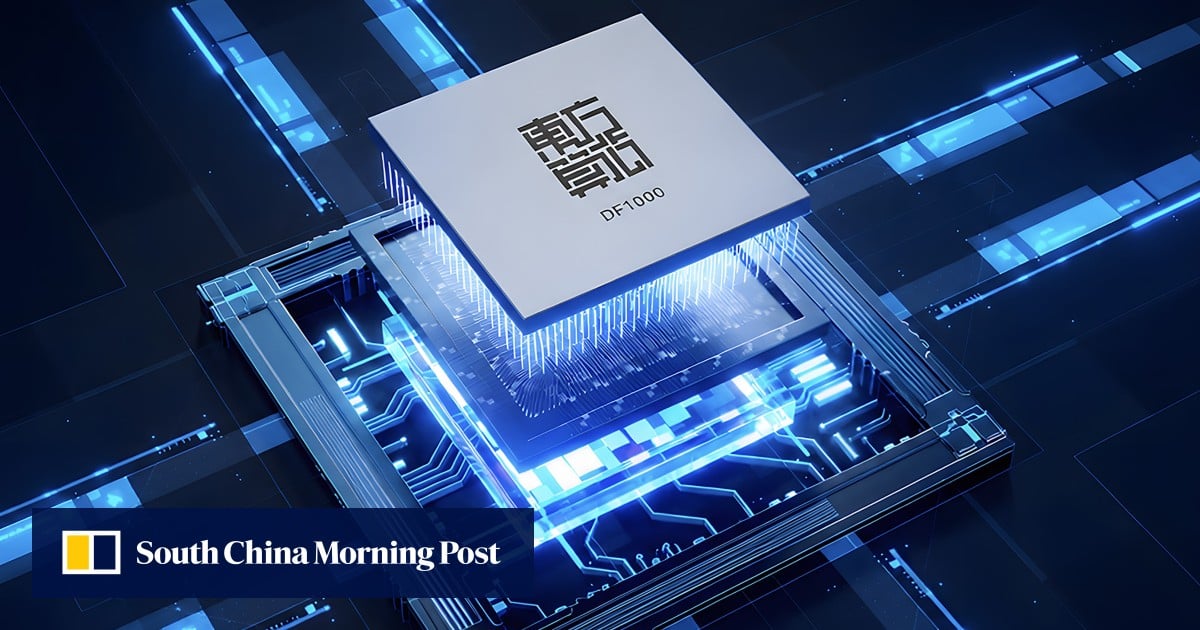 A Chinese startup has unveiled an aggressive AI chip roadmap that directly challenges Nvidia's dominance in the semiconductor market. Meanwhile, Chinese regulators are working on AI safety benchmarks to address risks from large language models. At the UN Global Dialogue, China called for fair and inclusive governance of artificial intelligence, signaling its intent to shape global AI rules.
 China's Zhipu AI is defying the broader market slump by focusing on artificial general intelligence rather than short-term profits. The company's headquarters in Beijing was recently featured during a government-organized media tour. In a related development, CXMT's founder Zhu Yiming is building China's largest DRAM maker, having refused pay until the company turned profitable ahead of its $4.4 billion IPO.
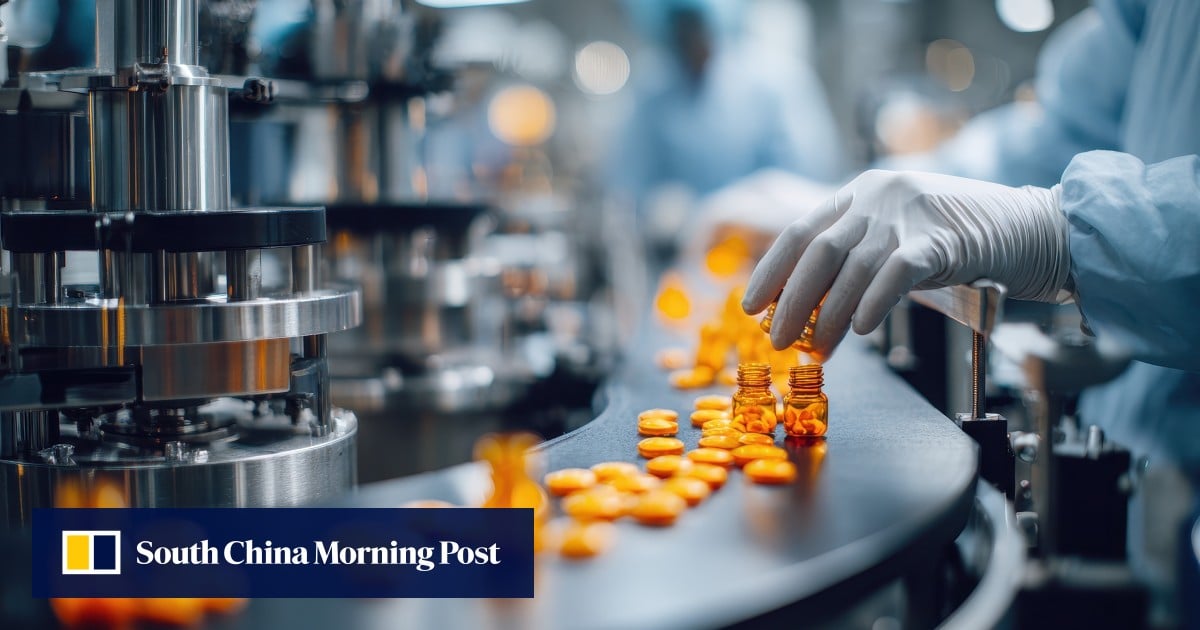 China is emerging as a global leader in AI-powered drug discovery, developing 30% of new therapies worldwide, according to a drug supervision official. The country ranks among the top tier in innovation efficiency. Meanwhile, some economists are drawing cautionary comparisons between the current AI boom and the Industrial Revolution, highlighting potential structural risks.
 The latest wave of smart glasses is bringing HDR10 displays, AI-assisted features, and camera-free productivity designs to consumers. ZDNet reviewed the world's first HDR10 smart glasses, while BBC tested AI glasses in Paris and documented their limitations. Even Realities is betting that productivity-focused smart glasses without cameras can avoid privacy concerns while enabling augmented reality workflows.