 Qtrends
China flags Claude Code backdoor, boosting domestic AI tools
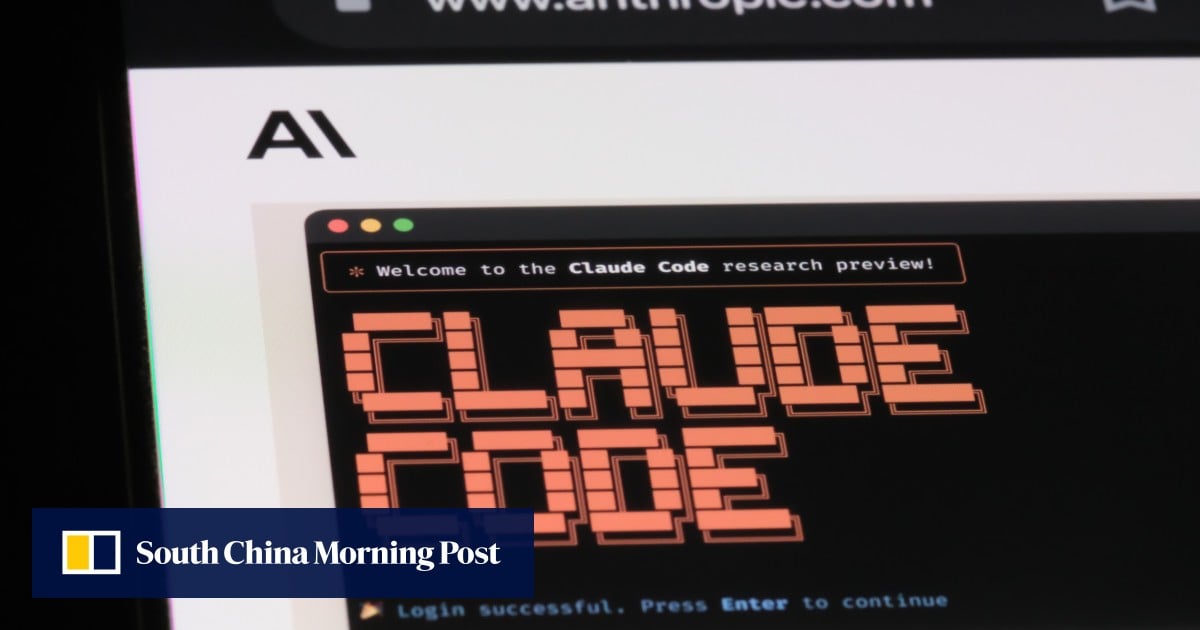 China's industry regulator has flagged a security risk in Anthropic's Claude Code AI coding tool, prompting a shift toward domestic alternatives. ByteDance's Trae and Alibaba's Qoder are emerging as key beneficiaries. Despite being officially blocked in China, Claude Code remained widely used by developers through workarounds. The move signals Beijing's push to reduce reliance on foreign AI software.
Sources:
 AI companies are lobbying to weaken Australia's copyright laws to allow broader use of creative works for training models, sparking outrage among artists. The ruling Labor party is internally divided on the issue. Separately, the music industry is pushing for AI warning labels on AI-generated songs. The broader tech landscape continues to produce questionable AI products that parody themselves.
 Meta has removed its Muse AI image generation feature from Instagram following widespread user backlash over privacy concerns. The company admitted the feature 'misses the mark' on user privacy. A report also found that Meta's own AI detector cannot identify images generated by its own systems, highlighting broader accountability issues in the platform's AI rollout.
 China has successfully recovered its first reusable rocket booster, using an innovative net-catching method distinct from SpaceX's landing approach. The milestone highlights rapid progress in China's reusable rocket program, with multiple successful tests narrowing the gap with Elon Musk's SpaceX. Scientific American and Ars Technica both covered the achievement as a significant step for Chinese space capabilities.
 Apple has filed a lawsuit against OpenAI, accusing the company of stealing trade secrets related to its hardware business. The suit targets two former Apple employees now at OpenAI, including chief hardware officer Tang Yew Tan. Apple's legal filing describes OpenAI's hardware operation as 'rotten to its core'. The case adds to growing legal tensions between Big Tech and AI companies.