 Qtrends
China tightens AI regulations while advancing global governance
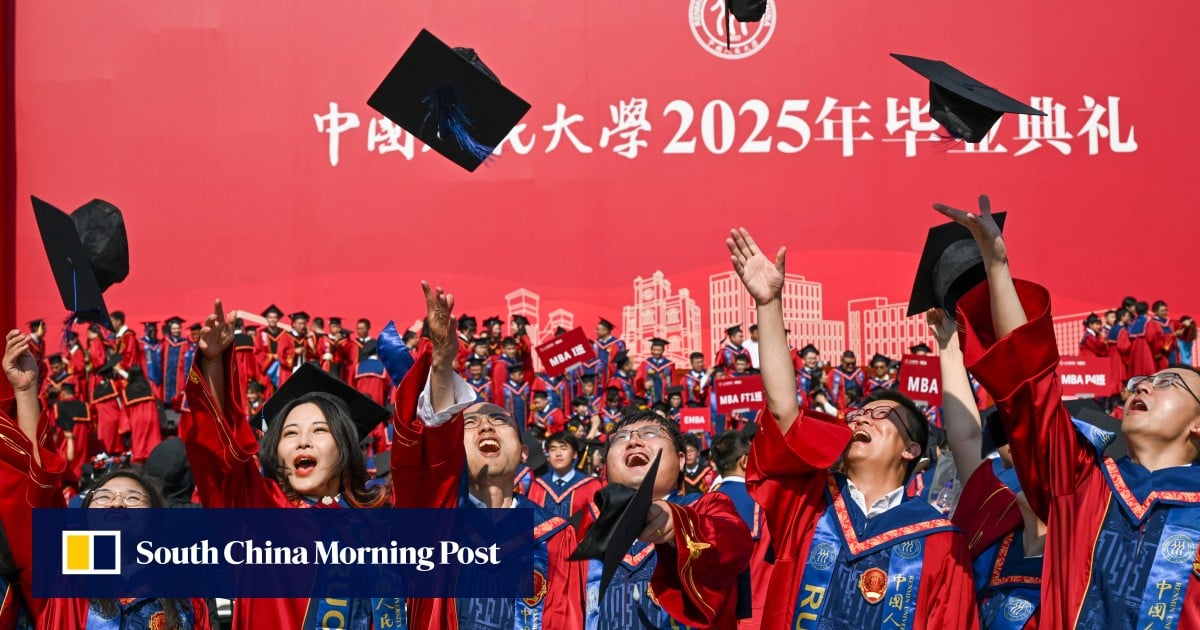 China is intensifying its AI governance with new rules requiring chatbots to drop AI personas, while also calling for inclusive global AI governance at a UN dialogue. The country's AI ecosystem continues to grow, with tools like AI world models gaining traction as a testing ground. Meanwhile, Chinese students are increasingly turning to AI to help select university degrees, reflecting AI's growing societal integration.
Sources:
 Meta has removed its Muse AI image generation feature from Instagram after users and privacy advocates strongly criticized the tool for mishandling personal data. The company admitted the feature 'misses the mark' on privacy. Reports also show Meta's own AI detection system cannot identify images generated by its own tools, further eroding trust.
 A severe memory chip shortage is driving up prices across Shenzhen's electronics hub, with key memory products rising fivefold due to surging AI demand. Computer vendors are raising prices, passing costs to consumers. Meanwhile, Chinese chipmaker MetaX is scaling production, and a $400 million machine is emerging as a key enabler for next-generation chip manufacturing.
 OpenAI's head of safety is leaving the company as part of a broader reorganization, marking yet another departure of a senior safety leader. The exit raises ongoing concerns about OpenAI's commitment to safety oversight as the company continues to commercialize aggressively. This pattern of safety leadership turnover has drawn criticism from AI ethics observers.
 Apple has filed a lawsuit against OpenAI, accusing the company of stealing trade secrets related to hardware technology. The lawsuit also targets two former Apple employees who now work at OpenAI, including its chief hardware officer. Apple's legal filing harshly criticizes OpenAI's hardware division, calling it 'rotten to its core,' signaling an escalating rivalry between the two tech giants.