 Qtrends
OpenAI Safety Head Departs in Reorganization
 OpenAI's head of safety is leaving the company as part of a broader reorganization, marking yet another departure of a senior safety leader. Reports from WIRED, Engadget, and Gizmodo confirm the exit, which raises fresh concerns about the company's commitment to AI safety oversight. The departure follows a pattern of high-profile safety team turnover at the organization.
 China has successfully recovered its first reusable rocket booster using a novel net-based capture system, narrowing the technological gap with SpaceX. Multiple outlets including TechCrunch, Ars Technica, and Scientific American report on the milestone. The achievement demonstrates China's growing capabilities in reusable rocketry and its unique approach to booster recovery.
 Meta has removed its controversial Muse AI image feature from Instagram following widespread user backlash over privacy concerns. Reports indicate the company acknowledged the feature 'misses the mark' on user privacy. Separately, investigations found that Meta's own AI detection tools cannot identify images generated by its own systems.
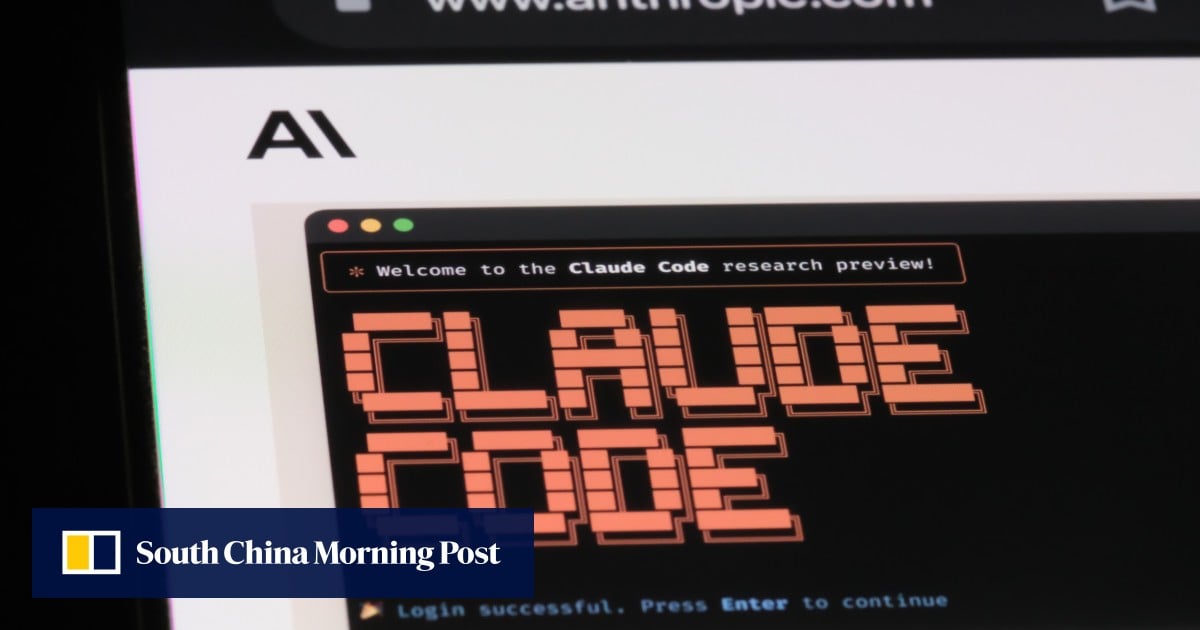 China is pushing for fair and inclusive AI governance at the UN Global Dialogue while simultaneously tightening domestic regulations on AI chatbots. Beijing has ordered leading chatbot platforms to remove AI personas as part of stricter oversight. The moves come alongside concerns that Chinese AI tools could benefit from security vulnerabilities in Western AI models like Claude Code.
 Apple has filed a lawsuit against OpenAI, alleging the company stole trade secrets related to hardware development. The suit also targets two former Apple employees who now work at OpenAI, including its chief hardware officer. Reports from The Guardian, TechCrunch, WIRED, and Engadget detail Apple's aggressive legal stance, with the company calling OpenAI's hardware business 'rotten to its core'.