 Qtrends
Another OpenAI safety leader departs amid restructuring
 OpenAI's head of safety is leaving the company as part of a reorganization, marking yet another high-profile exit from the AI firm's safety leadership. Reports from WIRED, Engadget, and Gizmodo confirm the departure, which raises questions about OpenAI's commitment to responsible AI development. The company has faced a steady stream of safety-related executive departures over the past year.
 Meta has removed its Muse AI image feature on Instagram after widespread criticism from users over privacy concerns. The Guardian reports the feature 'misses the mark' on user privacy, while TechCrunch notes the backlash that prompted the removal. Additional stories cover Meta's AI detector failing to identify images it generated itself, and researchers demonstrating prompt injection attacks hidden in PNG files.
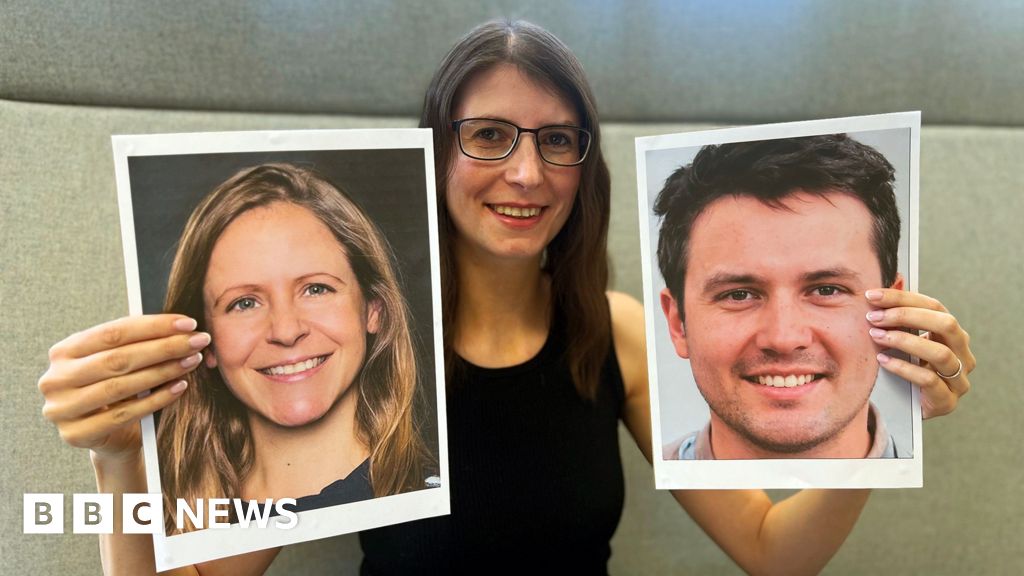 BBC has published an interactive test challenging users to spot AI deepfakes, highlighting the growing sophistication of synthetic media. Digital Trends reports that AI has already fallen into malicious hands and is being used to manufacture bombs. Another piece notes that even if individuals stop using AI, they likely cannot escape its pervasive influence in daily life.
 China has successfully recovered its first reusable rocket using a novel net-capture technique, marking significant progress in its space program. TechCrunch notes China is catching up to Elon Musk's reusable rockets, while Ars Technica details the new recovery method. Scientific American reports this as another milestone in China's long march toward reusable rocketry.
 Apple has filed a lawsuit against OpenAI, accusing the company of stealing trade secrets related to hardware development. The lawsuit also names two former Apple employees who now work at OpenAI, including Tang Yew Tan, OpenAI's chief hardware officer. Multiple outlets including The Guardian, SCMP, TechCrunch, WIRED, and Engadget report that Apple has called OpenAI's hardware business 'rotten to its core.'