 Qtrends
OpenAI's safety chief leaves amid reorganization
 OpenAI's head of safety is reportedly leaving the company as part of a broader internal restructuring. The departure follows a recurring pattern of safety leadership exits at the organization, raising questions about its commitment to responsible AI development. Multiple tech outlets including WIRED, Gizmodo, and Engadget have covered the news. The move comes at a time when regulatory scrutiny of AI companies continues to intensify globally.
 Meta has removed its controversial Muse AI image feature from Instagram following widespread user backlash over privacy concerns. The company acknowledged the feature 'misses the mark' on user privacy expectations. Separately, researchers demonstrated that Meta's own AI detector fails to identify images generated by its own systems, and a separate incident showed a PNG file successfully carrying a prompt injection attack against AI models.
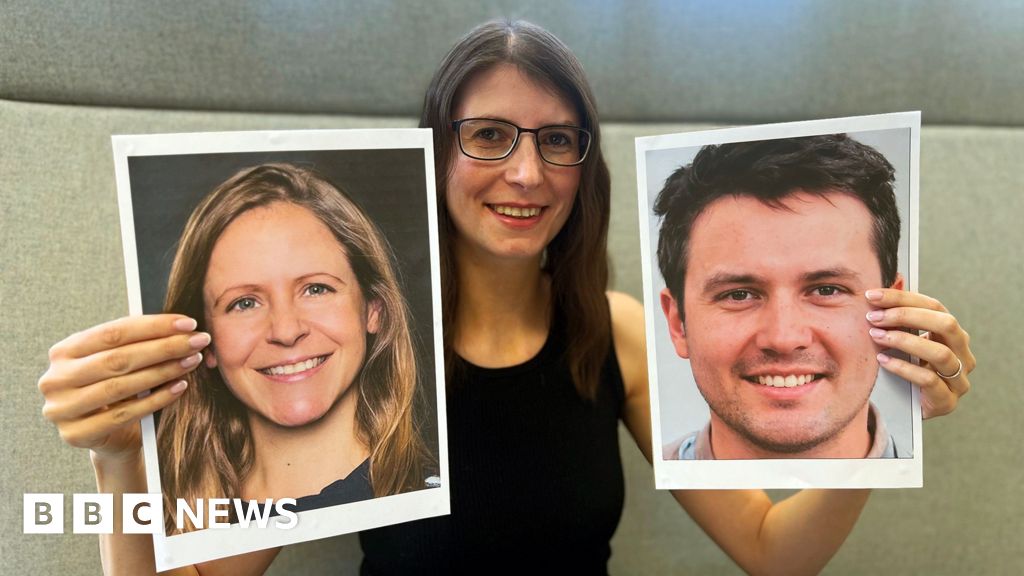 Growing concerns over AI-generated deepfakes have prompted media outlets to offer public education tools, including an interactive test on spotting fake content. Reports also indicate malicious actors are already using AI to produce bomb-making instructions. A new study warns that even individuals who avoid AI tools will find it increasingly difficult to escape AI-generated content in daily life.
 Apple has filed a lawsuit against OpenAI, accusing the company of stealing trade secrets related to hardware engineering. The lawsuit specifically targets two former Apple employees who now work at OpenAI: chief hardware officer Tang Yew Tan and engineer Chang Liu. Apple's legal filing describes OpenAI's hardware business as 'rotten to its core,' signaling escalating tensions between the two tech giants.
 China has achieved a significant milestone in reusable rocket technology, successfully recovering its first reusable rocket in a test flight. The development demonstrates a new recovery approach distinct from SpaceX's methods, signaling China's accelerated progress in closing the gap with Elon Musk's reusable rocket program. Ars Technica, TechCrunch, and Scientific American all covered the breakthrough.