 Qtrends
AI deepfakes and prompt injection raise security alarms
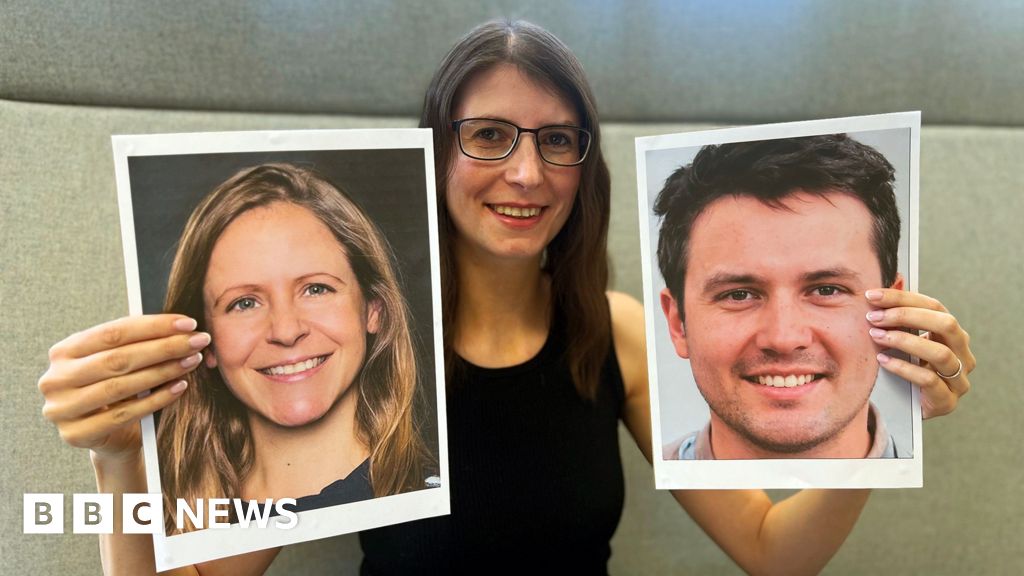 A BBC interactive test challenges users to identify AI-generated deepfakes amid growing sophistication of synthetic media. Meanwhile, researchers have demonstrated a prompt injection attack hidden inside a PNG image that successfully fooled an AI system. A new report warns that even if individuals stop using AI tools, they increasingly cannot avoid AI-generated content in daily life, underscoring the pervasive reach of the technology.
Sources:
Researchers hid a prompt injection inside a PNG, and AI fell for it
(Digital Trends)
 Millions of Chinese families are using AI tools to help select university degree programs, replacing traditional reliance on teachers and consultants. Chinese AI tools are poised to gain traction following security concerns over Western models like Claude Code. Beijing is also pushing for fair and inclusive AI governance at the UN Global Dialogue, while the country positions itself as a premier testing ground for AI 'world models' that predict environmental responses to actions.
 Meta has scrapped its Muse AI image generation feature on Instagram just days after launch, acknowledging it 'misses the mark' on user privacy. The feature faced immediate public backlash and was deemed controversial for its handling of user data. TechCrunch and Gizmodo report the removal came swiftly after widespread criticism online.
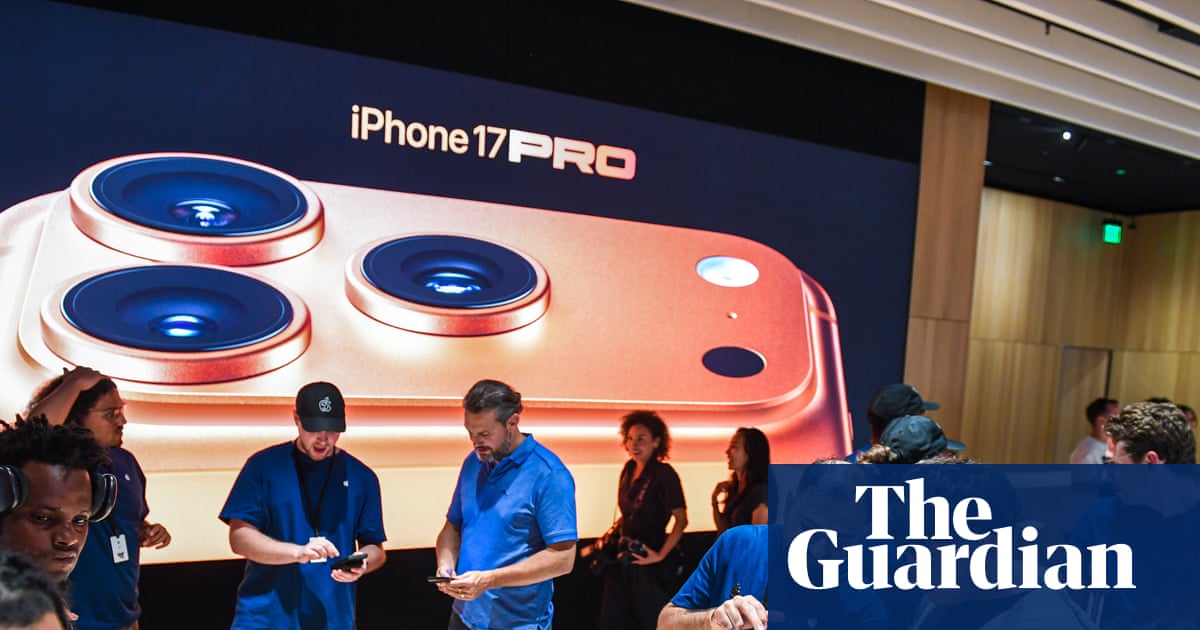 Apple has filed a lawsuit against OpenAI, accusing the company of stealing trade secrets related to its hardware division. The lawsuit specifically targets two former Apple employees who now work at OpenAI: Tang Yew Tan, the company's chief hardware officer, and engineer Chang Liu. Apple has described OpenAI's hardware business as 'rotten to its core' in the legal filing, marking a significant escalation in tensions between the two tech giants.
 ZDNet reviewed the world's first HDR10 smart glasses, highlighting new visual capabilities for wearable displays. BBC tested AI-powered glasses in Paris and found the augmented reality overlays still prone to errors. Even Realities has launched cameraless smart glasses focused purely on productivity, betting that users want displays without the privacy concerns of recording-capable wearables.