 Qtrends
AI deepfakes grow harder to detect, tests show
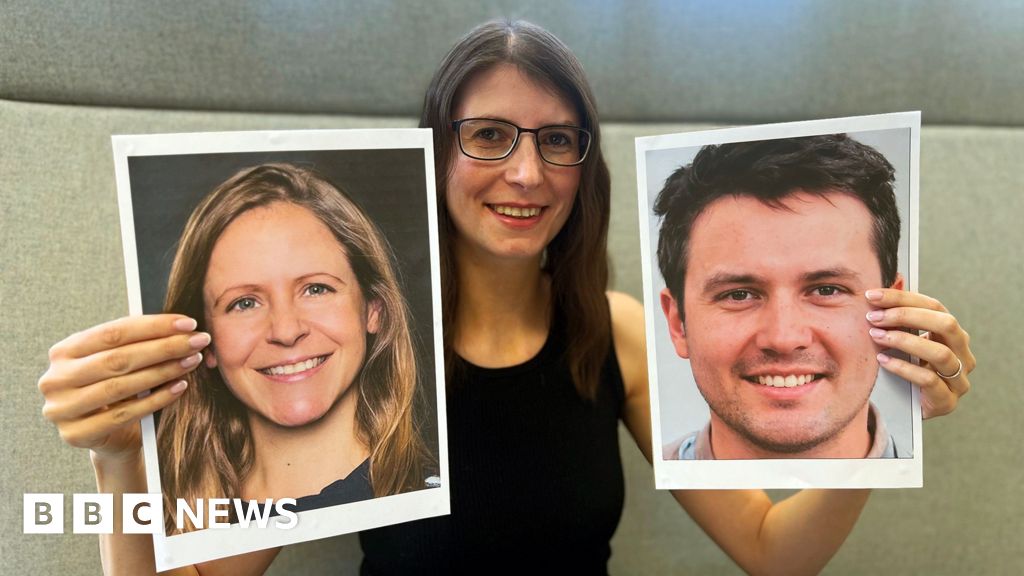 A BBC test challenges the public to spot AI deepfakes, revealing how sophisticated the technology has become. Researchers have also demonstrated a new attack method: hiding prompt injections inside PNG image files that AI systems fall for. A separate report warns that even if individuals stop using AI, they likely cannot escape its influence in daily life.
Sources:
Researchers hid a prompt injection inside a PNG, and AI fell for it
(Digital Trends)
 Chinese students and families are increasingly turning to AI tools for university degree selection, replacing traditional advisers. Chinese AI development tools are gaining attention following security alerts around Western alternatives like Claude Code. China is also becoming a leading testing ground for AI 'world models' that predict environmental responses. At the UN Global Dialogue, China called for fair and inclusive AI governance frameworks.
 China has successfully recovered its first reusable rocket, marking a significant step in narrowing the technological gap with Elon Musk's SpaceX. Ars Technica reports that China demonstrated a novel recovery approach. Scientific American notes that China's long march toward reusable rocketry has hit another key milestone, signaling accelerating progress in the space launch sector.
 Apple has filed a lawsuit against OpenAI accusing the company of stealing trade secrets related to its hardware business. The lawsuit names two former Apple employees—Tang Yew Tan, now OpenAI's chief hardware officer, and engineer Chang Liu—as key figures in the alleged theft. WIRED reports Apple called OpenAI's hardware business 'rotten to its core' in the filing. TechCrunch, The Guardian, and SCMP all covered the escalating legal battle between the two tech giants.
 Meta removed its Muse AI feature from Instagram just days after launch following a major user backlash over privacy concerns. The feature allowed users to generate AI images of any public Instagram account, sparking widespread criticism. The Guardian reports Meta admitted the feature 'misses the mark' on user privacy. Digital Trends and TechCrunch note the swift reversal marked one of Meta's shortest-lived feature launches.