 Qtrends
US Senate unveils AI accountability bill package
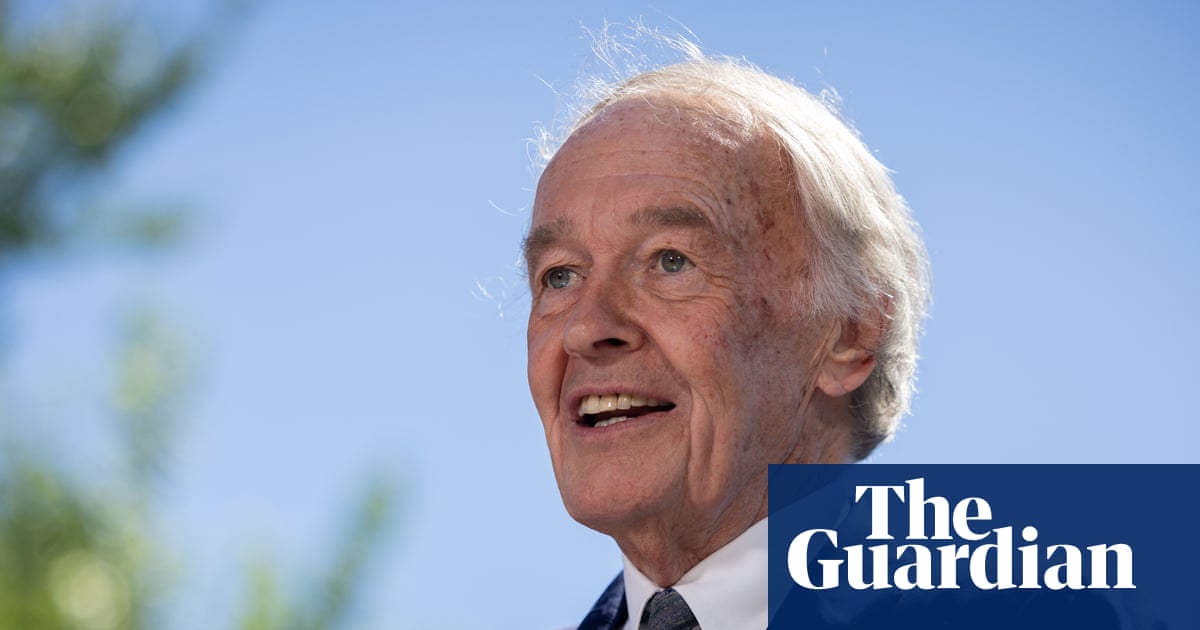 A US senator has introduced a package of bills aimed at curbing harms caused by AI and big tech, calling it an 'AI accountability agenda.' Meanwhile, China's AI sector sees token consumption surge over 1,000-fold in two years, exceeding 140 trillion tokens daily. An AI agent startup made headlines by letting its own AI agent run the company's $100 million fundraise.
Sources:
Can AI answer the $3 trillion question?
(TechCrunch)
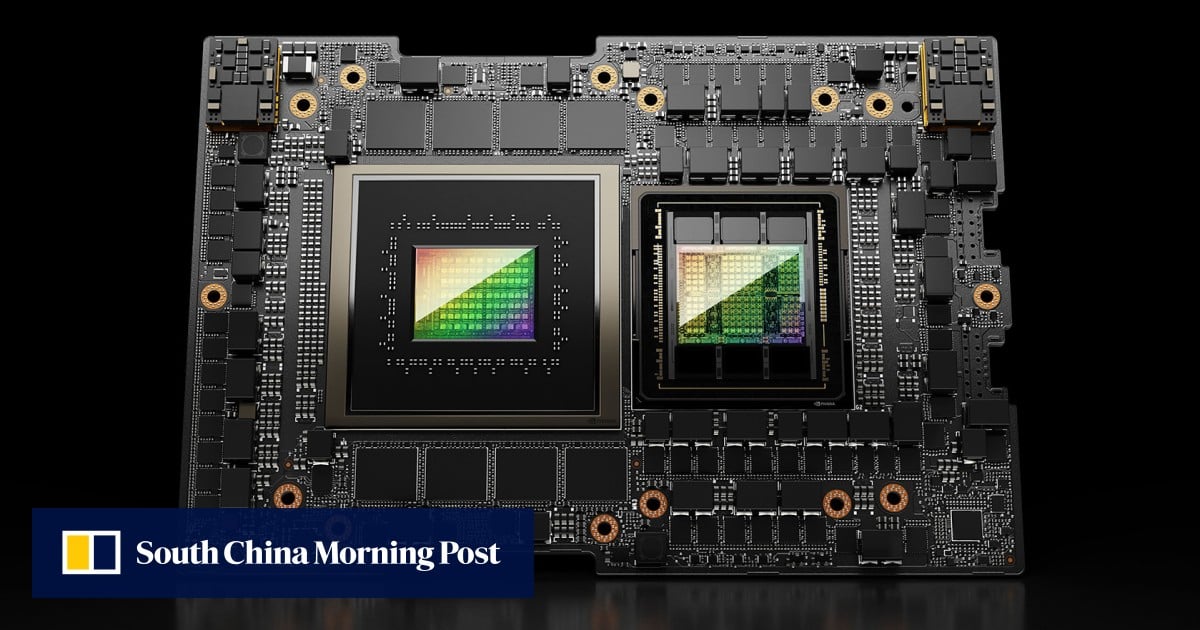 Beijing is reportedly set to allow limited imports of Nvidia's H200 GPUs, aiming to temporarily ease AI training bottlenecks while maintaining focus on tech self-sufficiency. The move comes amid a complex geopolitical backdrop: a Chinese submarine test-fired a missile into the Pacific, while US-Iran tensions reignited in the Middle East.
 China called for fair and inclusive AI governance at the UN Global Dialogue, positioning itself as a key voice in international AI regulation. At the same UN AI Summit, showcases included robot dogs, Teslas, and rescue helicopters. Hong Kong's Middle East pivot and China's AI persona challenges also drew attention at the gathering.
 Nvidia has announced a set of 'GeForce Trading Cards' featuring iconic moments from the company's history, a move widely interpreted as a nostalgic pivot amid a hardware affordability crisis. TechCrunch notes Nvidia is now a 'victim of the compute marketplace it created,' as fewer consumers can afford its latest GPUs.
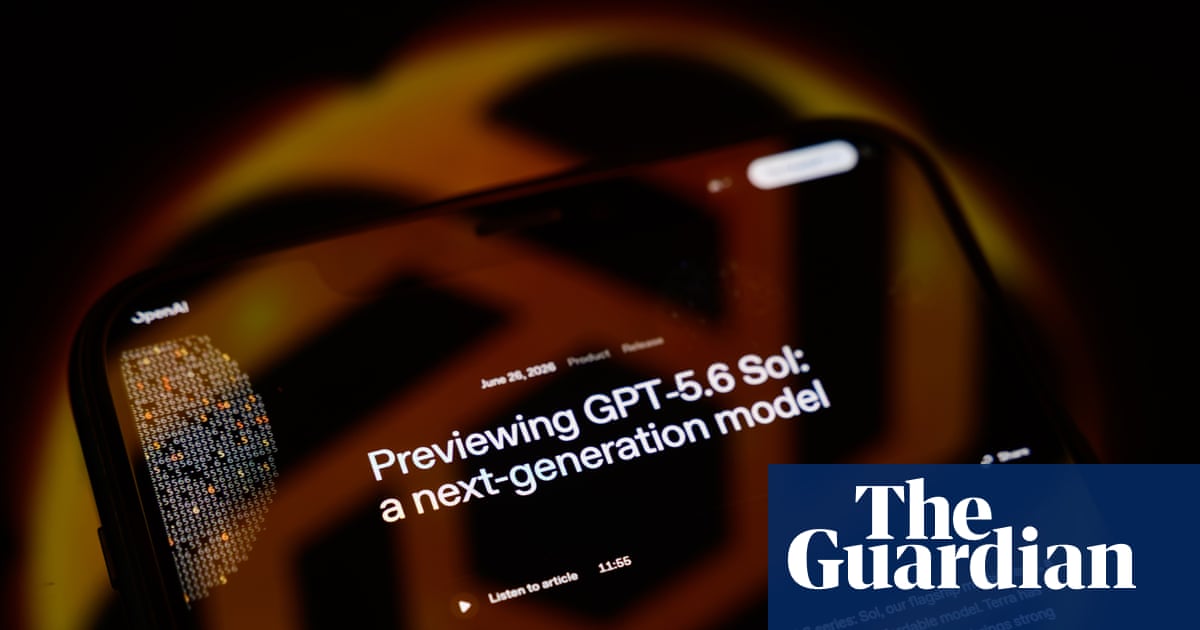 OpenAI has released its latest ChatGPT model after delays linked to White House cybersecurity concerns, alongside a new ChatGPT tool designed for workplace productivity. The new work-focused feature is seen as a direct challenge to Google's smartest Chrome features, signaling escalating competition in the AI assistant space.