 Qtrends
Chinese chip and PCB makers invest heavily in AI-driven expansion
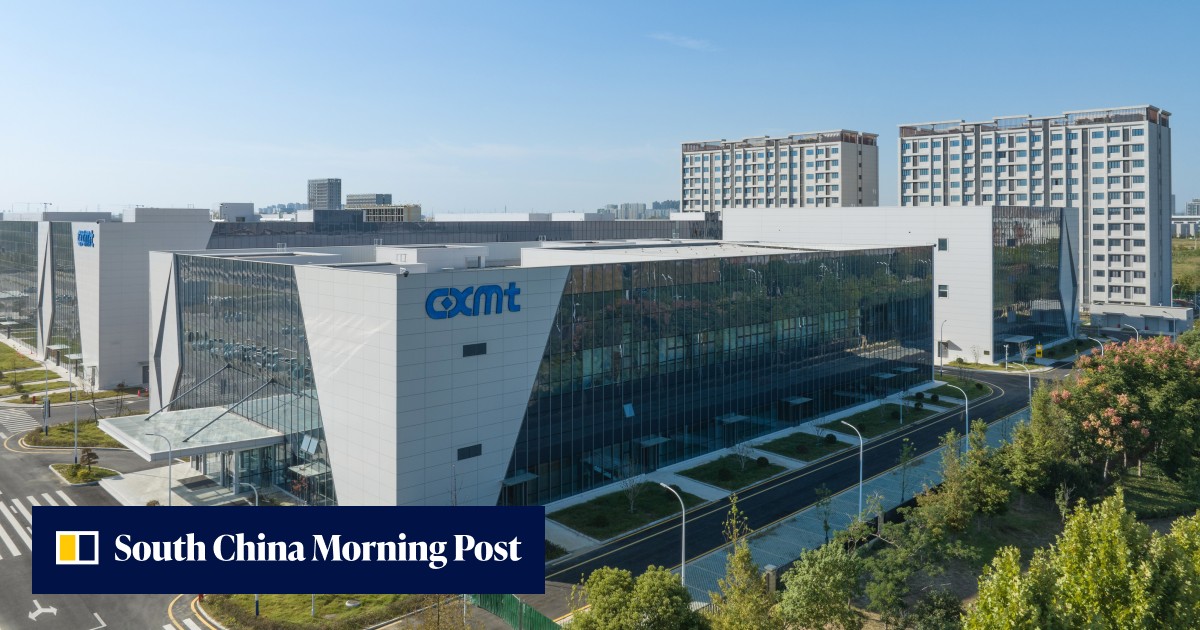 Chinese memory-chip maker CXMT is preparing a $4.3 billion IPO on Shanghai's Star Market, second only to SMIC's listing, riding a wave of AI-fueled memory demand. Meanwhile, Zhipu AI and chipmaker Iluvatar CoreX have launched Hong Kong share sales targeting a combined HK$38.5 billion. China's circuit-board makers are also pushing capital expenditure toward record levels, with more than 20 PCB firms disclosing aggressive expansion plans for high-end plants.
Sources:
 Anthropic has introduced Claude Reflect, a dashboard that tracks and visualizes how users interact with its Claude AI assistant, offering a personalized year-in-review style experience similar to Spotify Wrapped. The feature aims to encourage users to reflect on their AI usage patterns. TechCrunch notes it serves as a subtle driver of AI adoption, while Engadget frames it as a tool to help users log off more mindfully.
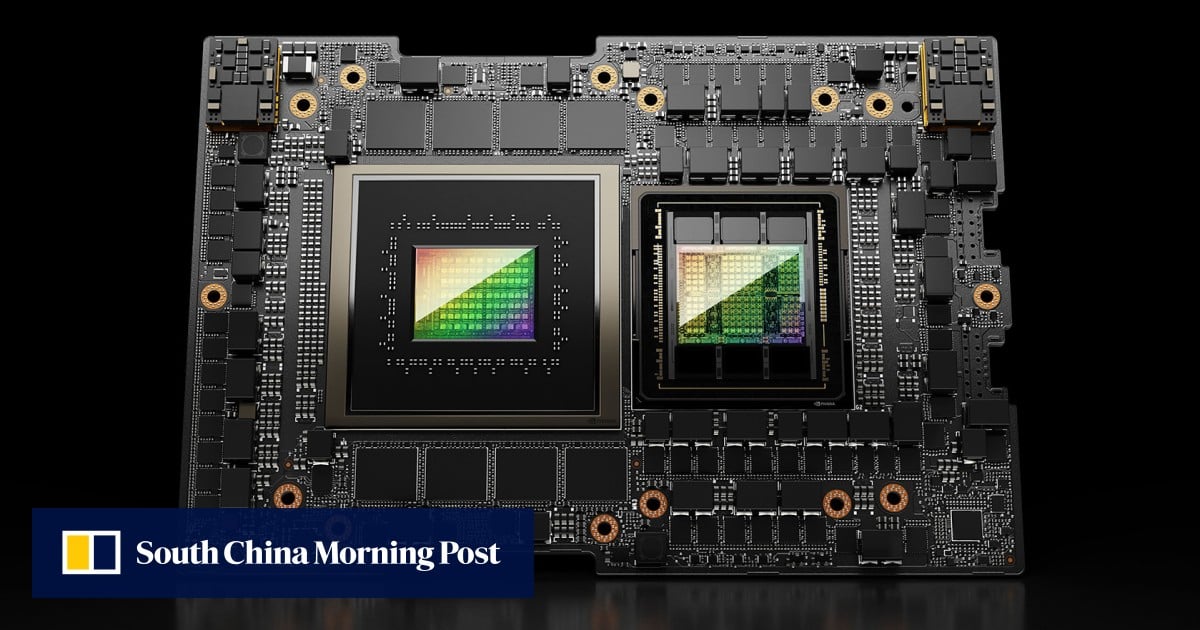 China is allowing some domestic AI firms to purchase Nvidia's H200 chips, a move analysts say is intended to temporarily ease the AI training bottleneck. However, Beijing remains committed to long-term tech self-sufficiency. The development comes as a 'token economy' emerges around soaring AI usage in China, and leading labs like DeepSeek and Zhipu increasingly invest in custom chip development beyond just model building.
 Chinese chip firm MetaX has scaled up production to meet rising AI chip demand. TechCrunch reports that Anthropic, OpenAI, and SpaceX have generated more value than the combined tech exits of the last 25 years. Open-source AI developer tool Ollama raised $65 million and now serves nearly 9 million users, signaling strong investor appetite for the AI developer ecosystem.
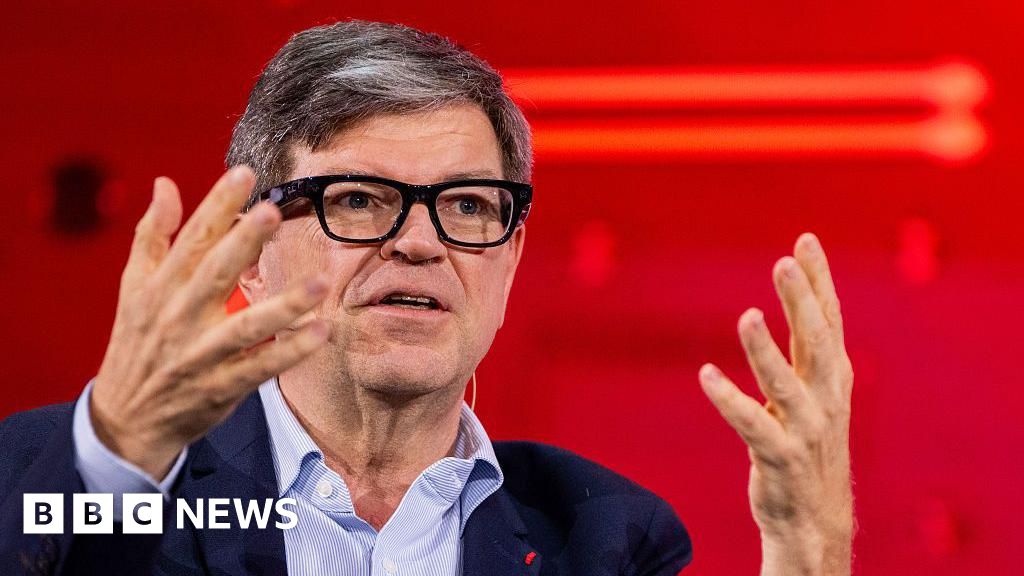 A BBC report questions the true intelligence of current AI systems while exploring what comes next in the field. AI-related hiring is rising across industries as roles expand, according to China Daily. Singapore's sovereign wealth fund Temasek announced plans to increase its AI exposure 2.5-fold over five years, reflecting sustained institutional confidence in the sector's growth.