 Qtrends
Chinese tech firms surge toward public listings amid AI boom
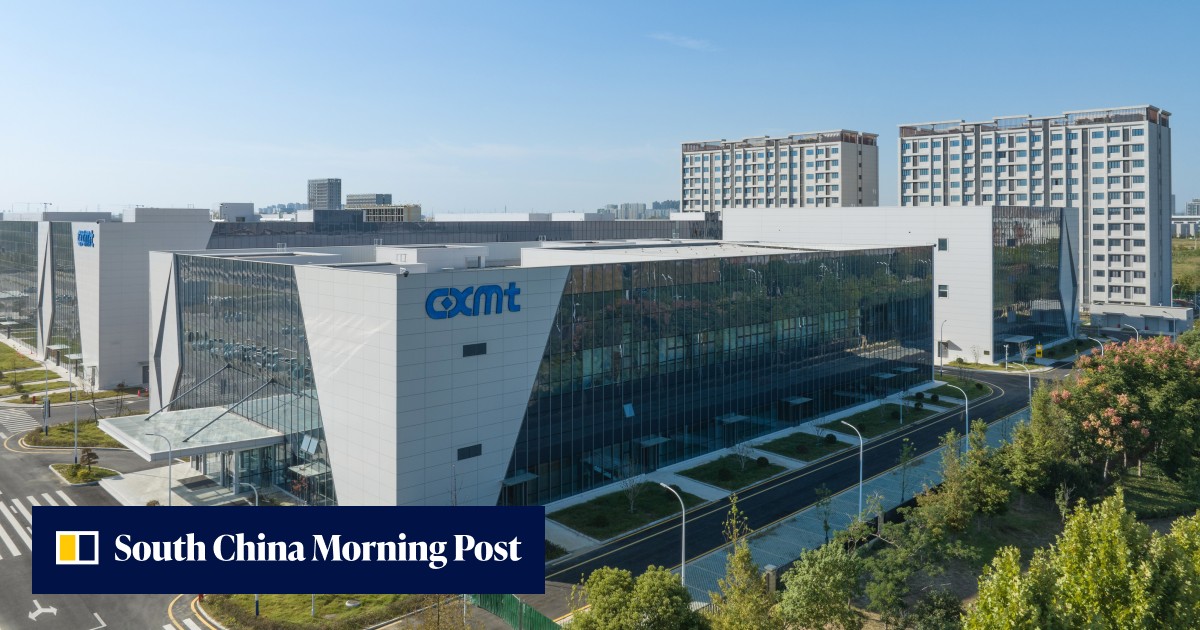 Chinese semiconductor and AI companies are rapidly heading to public markets, capitalizing on AI-driven demand. Memory chipmaker CXMT is planning a $4.3 billion IPO on Shanghai's Star Market, while Zhipu AI and chipmaker Iluvatar CoreX have launched Hong Kong share sales targeting a combined HK$38.5 billion. The trend extends beyond chipmakers, with over 20 PCB makers announcing aggressive expansion plans and pouring hundreds of millions into high-end production lines to feed the AI infrastructure boom.
Sources:
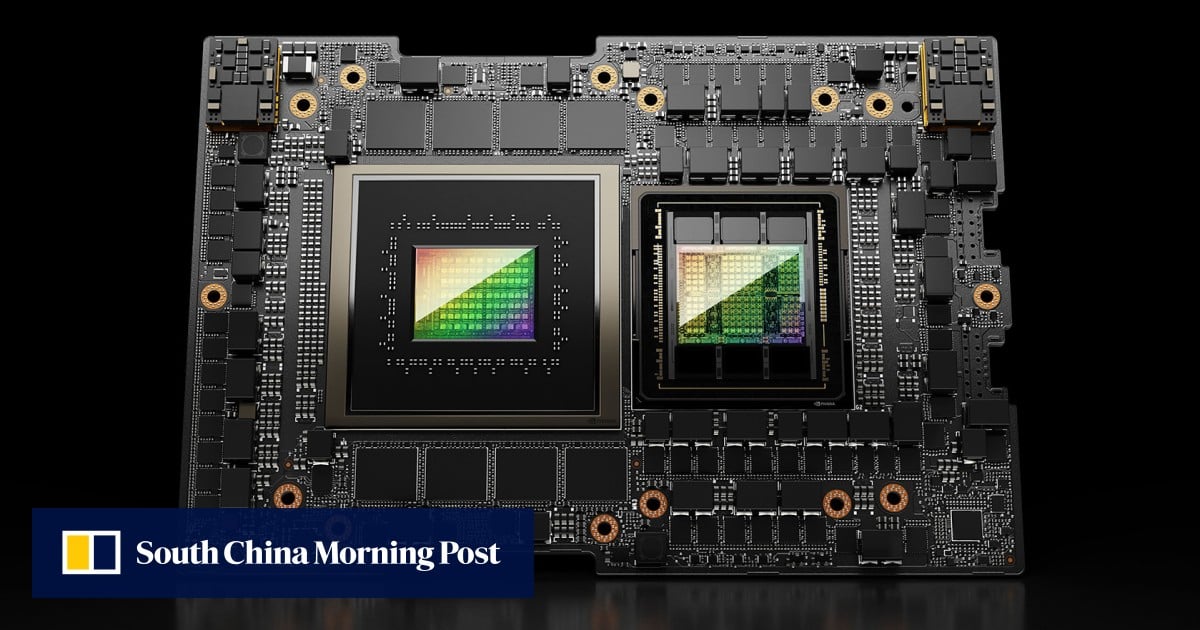 China has reportedly allowed its AI firms to purchase Nvidia's H200 chips for the first time, a move analysts describe as a temporary measure to ease the AI training bottleneck while Beijing stays committed to long-term technological self-sufficiency. The policy shift comes as a 'token economy' emerges around AI usage in China, and major labs like DeepSeek and Zhipu increasingly look beyond large language models to develop their own chips, signaling a strategic pivot toward vertical integration in the AI supply chain.
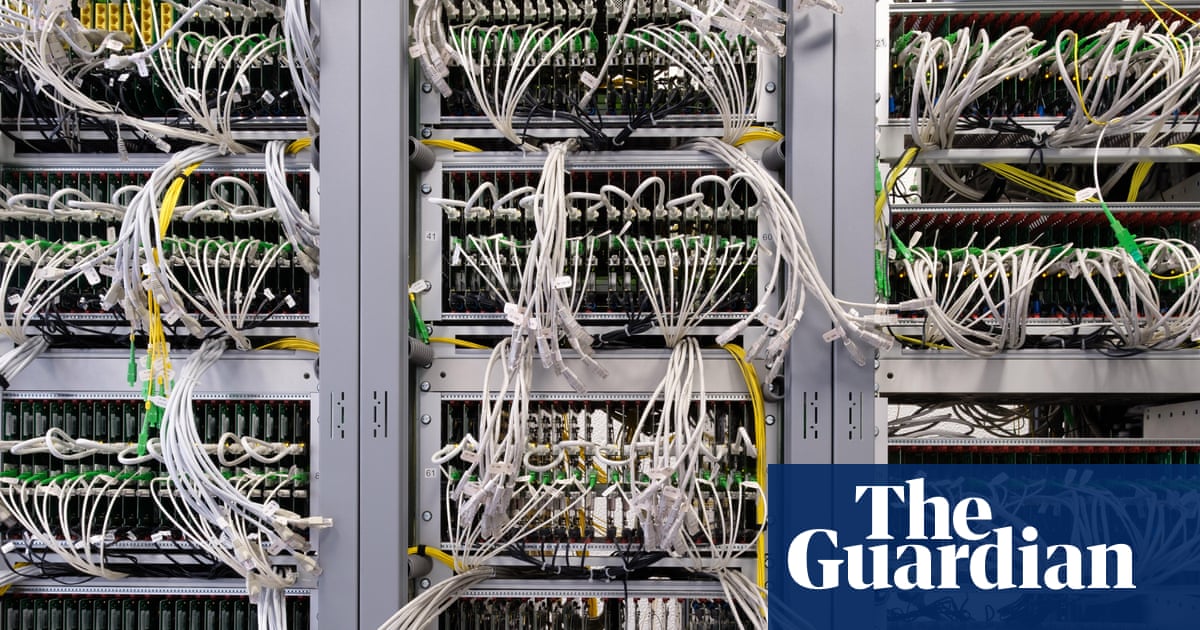 Britain's newly proposed AI growth zones are drawing sharp criticism from local communities and analysts alike. A village in Scotland chosen for an AI datacentre has seen resident hope turn to fear, while industry experts describe the government's plans as 'smoke and mirrors' and 'complete bunk.' Stalled datacentre projects globally are also threatening the AI revolution, raising questions about whether infrastructure bottlenecks could derail the sector's rapid expansion.