 Qtrends
Apple's foldable iPhone faces supply and cost challenges
 Apple's upcoming foldable iPhone is expected to face supply constraints at launch, limiting initial availability. The company has also begun testing cheaper Chinese RAM suppliers in an effort to manage costs, though analysts warn savings may not reach consumers. Meanwhile, the broader budget smartphone market is struggling under memory shortages, putting further pressure on the industry.
Sources:
 AI-related hiring is rising as roles across industries expand, signaling sustained demand for talent. A former DeepMind executive warns that the AI arms race could end in disaster without proper safeguards. Singapore's Temasek plans to increase its AI exposure 2.5 times over the next five years, reflecting the scale of capital flowing into the sector.
 A field test of AI glasses in Paris reveals significant accuracy issues, highlighting the gap between promise and real-world performance. Meanwhile, Ant Group's AI unit claims a breakthrough in robot perception, saying its model surpasses Meta's rival at smaller scale with less training. Meta's own AI strategy for glasses faces a tension between appearing less intrusive and its core data-driven approach.
 China's rapid AI progress has been fueled by open-weight models, but policy analysts warn a regulatory shift may be imminent as models like Zhipu AI's GLM-5.2 close the performance gap with frontier systems. China is also expanding its influence in 5G and robotics, while Infineon steps up efforts to tap into AI opportunities in the Chinese market.
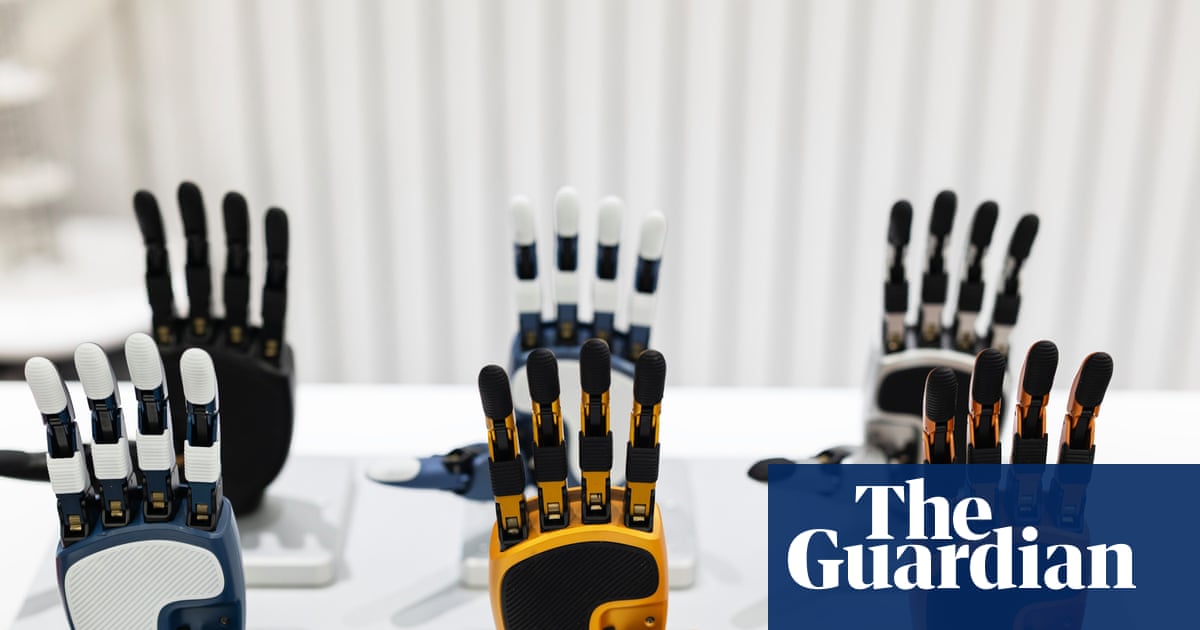 China is tackling the hardest problem in robotics: dexterous hand manipulation. Europe is scrambling to compete with the US and China in what is being called the 'space race of our time.' Japan's Shimizu Corporation is betting on humanoid robots to address a severe construction labor shortage, signaling growing industrial demand for advanced robotics.