 Qtrends
Meta's AI image generator sparks privacy outcry
 Meta launched Muse Image, a new AI image generator that can use public Instagram profile photos to create AI-generated images. Users are pushing back over privacy concerns, as the system defaults to allowing photo use unless users manually opt out. WIRED, BBC, and TechCrunch all report growing backlash over the lack of explicit consent. Critics argue the practice violates user trust and sets a problematic precedent for AI training data sourcing.
 China's open-weight AI models, such as Zhipu AI's GLM-5.2, are rapidly closing the performance gap with leading frontier models. Policy analysts warn that a regulatory shift may be imminent, potentially tightening rules on open-weight model distribution. Infineon is increasing its push to tap into China's AI market, while China Daily highlights the country's expanding influence in 5G and robotics alongside its AI advancements.
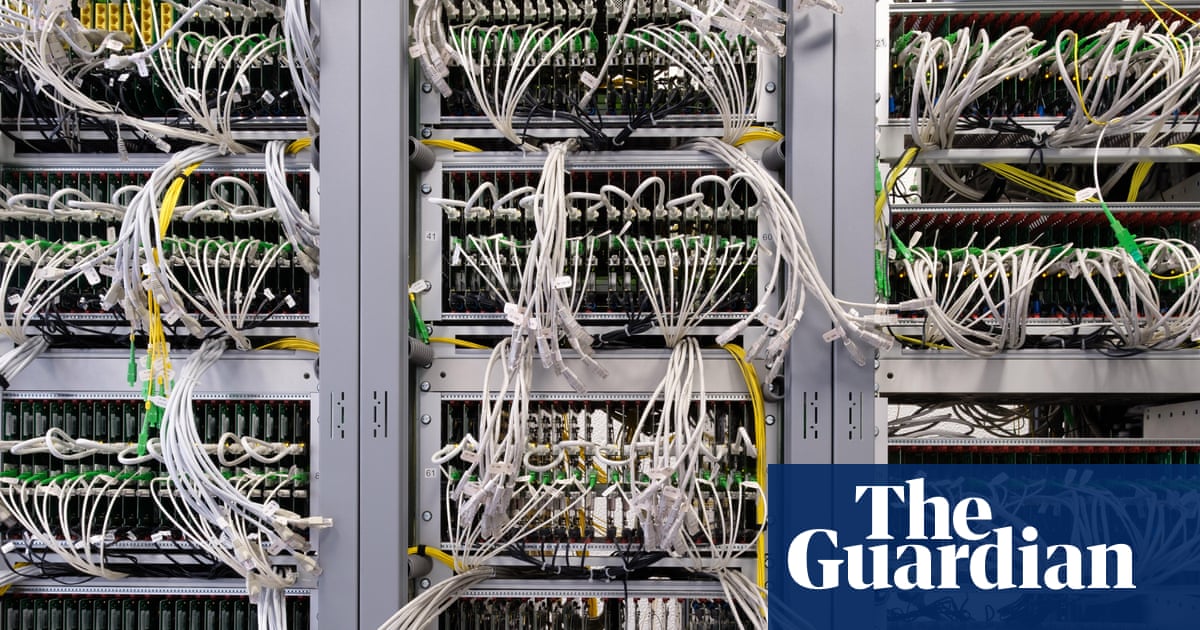 The Guardian reports skepticism over Britain's proposed AI growth zones, with critics questioning whether the plans are feasible or 'complete bunk'. Scotland's landmark AI project has been revealed to have no prospect of meeting its renewable energy promises. Australia's assistant technology minister warned that AI models are already 'doing things their creators never intended'. Big tech's climate goals are being undermined by the soaring energy demands of AI infrastructure.
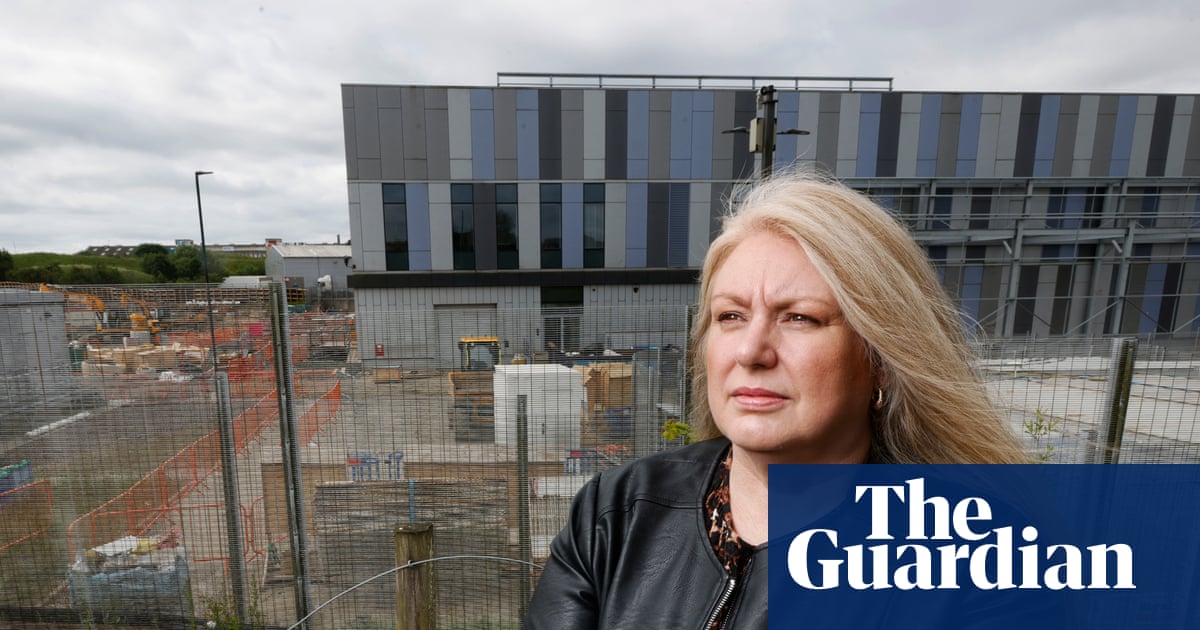 A Scottish village selected for an AI datacentre has seen local sentiment shift from hope to fear, with residents calling the project 'smoke and mirrors'. Stalled datacentre projects globally threaten to slow the AI revolution. Meanwhile, TechCrunch examines why the rise of open-source AI has not yet hurt Anthropic, suggesting the competitive landscape remains complex.
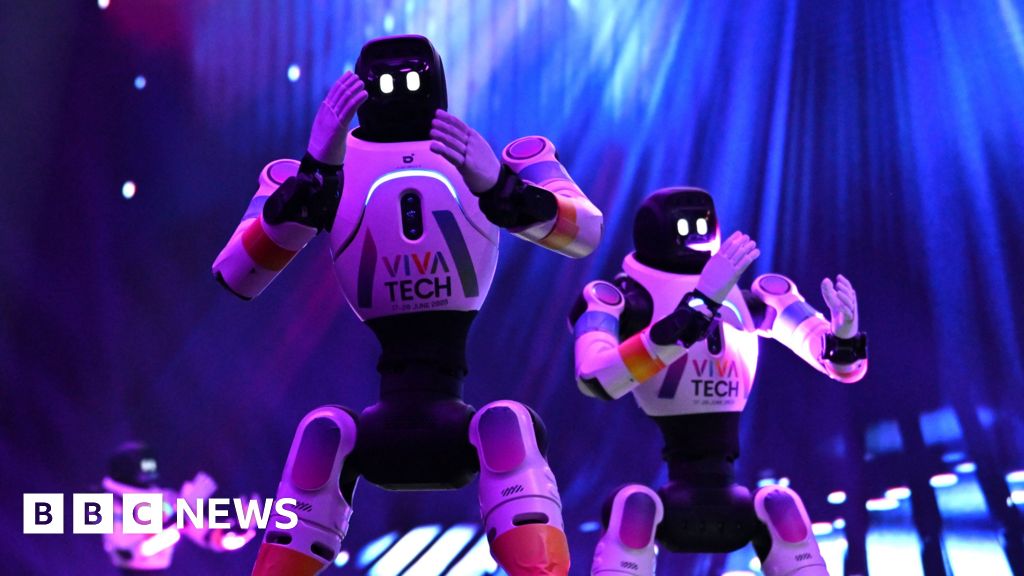 Robot rental services are emerging, offering businesses access to robotic labor on demand. However, delivery robots are facing public backlash, with BBC reporting incidents where people felt they 'had to get out of the way'. China Daily reports growing calls for ethical boundaries for home robots, signaling the technology's expansion into domestic spaces is raising new societal questions.