 Qtrends
South Korea's chip hub faces power and water crisis
 South Korea's $880 billion plan to build a massive semiconductor and AI cluster faces significant headwinds as the region struggles with insufficient power generation and fresh water supplies. Chip workers are being recruited aggressively, even becoming popular bachelors in South Korean dating culture. Industry analysts question whether the ambitious timeline aligns with real market demand for chips.
 Meta has announced that tampering with or covering the recording indicator LED on its smart glasses will trigger an automatic camera disable. The move aims to prevent covert recording and address growing privacy concerns around wearable cameras. Gizmodo and Digital Trends report that the feature kills creepiness risk but raises questions about enforcement.
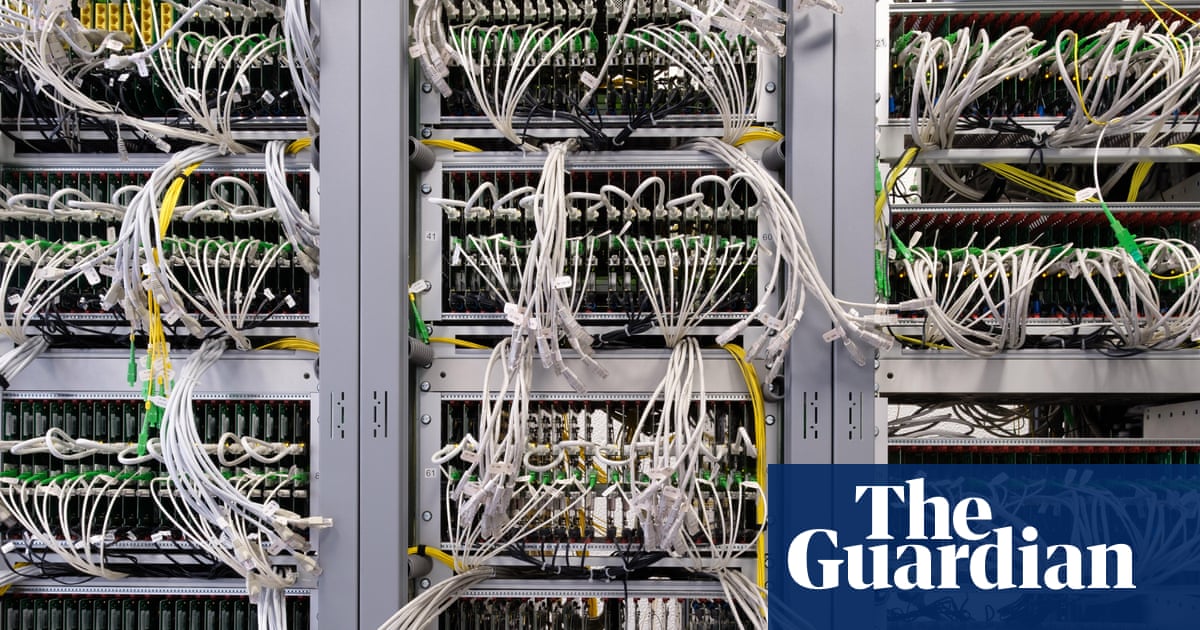 Britain's proposed AI growth zones are being met with skepticism from experts who question their feasibility and label the plans 'complete bunk'. Meanwhile, Scotland's landmark AI project admits it has no prospect of meeting its promised renewable energy targets. Big tech companies are finding their climate goals undermined by the surging energy demands of AI infrastructure. Australia's assistant technology minister warns that AI models are already operating in ways their creators never intended.
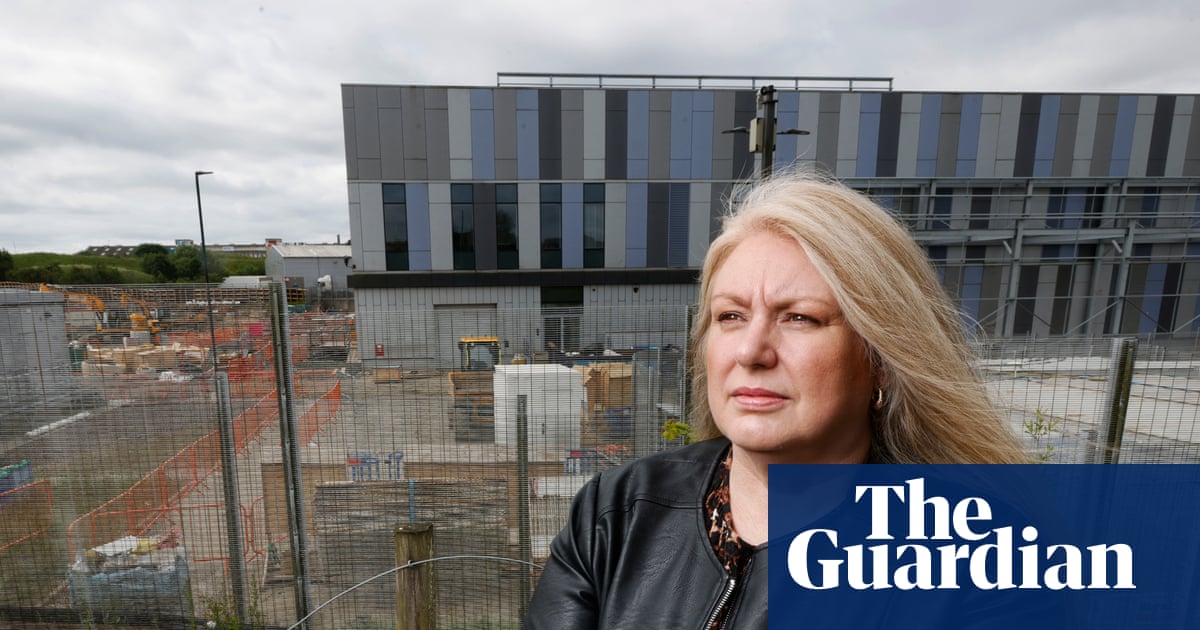 A Scottish village selected for a major AI datacentre has turned from hope to fear, with residents calling the project 'smoke and mirrors'. Stalled datacentre projects globally threaten to slow the AI revolution. The rise of open-source AI models is putting pressure on companies like Anthropic, though its impact remains limited so far.
 Samsung has confirmed its next Galaxy Unpacked event for July 22, where the company is expected to unveil its latest foldable smartphones. Coverage from Gizmodo and Digital Trends details what to expect, including new Galaxy Z Fold and Z Flip devices. The event will be livestreamed and marks the company's major hardware launch for the second half of 2026.