 Qtrends
Meta lets Instagram users generate AI images of themselves
 Meta has launched a new AI image generation model called Muse that can use Instagram accounts as prompts, effectively allowing anyone to generate AI images of you using your public Instagram photos. The feature defaults all users to opt-in, meaning you must manually opt out if you do not want your photos used for AI training and generation. The move has sparked privacy concerns as the line between personal data and AI training material continues to blur. Engadget and Digital Trends report that the tool turns Instagram into a creative mood board for AI-generated imagery.
Sources:
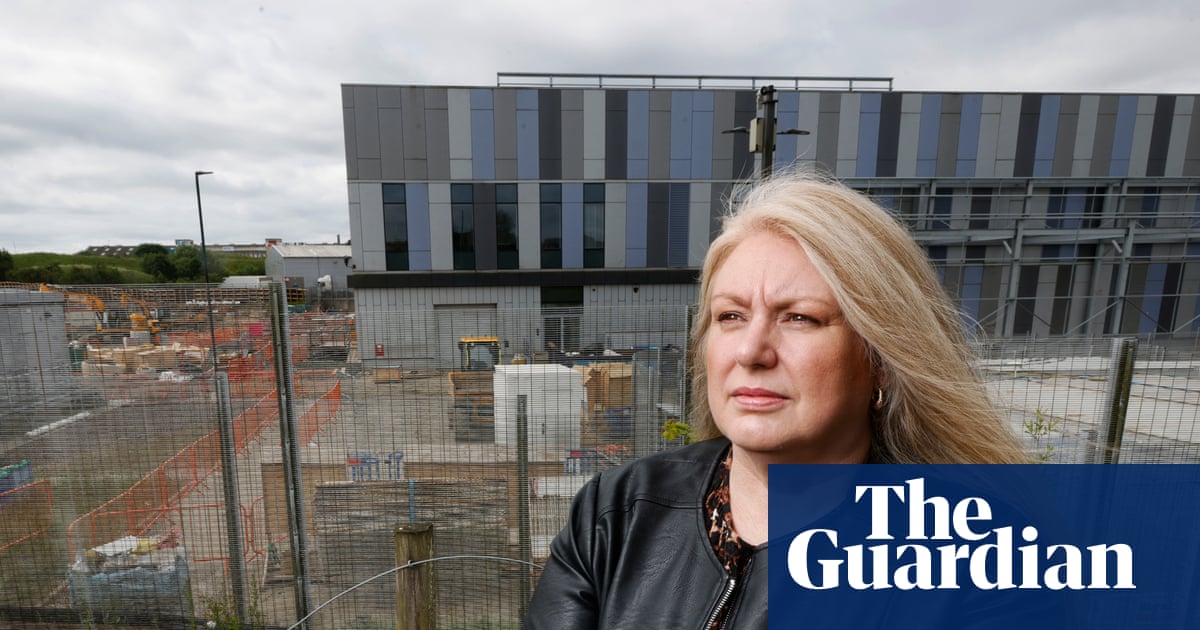 A Scottish village originally hopeful about an AI data center has turned fearful as the project faces local opposition and broken promises, with residents calling it 'smoke and mirrors.' Separately, a Guardian report warns that stymied data center projects worldwide threaten to slow the global AI revolution. The tension highlights the growing gap between AI ambition and the physical infrastructure required to support it. Meanwhile, TechCrunch examines how open-source AI models are growing rapidly without significantly threatening Anthropic's commercial position.
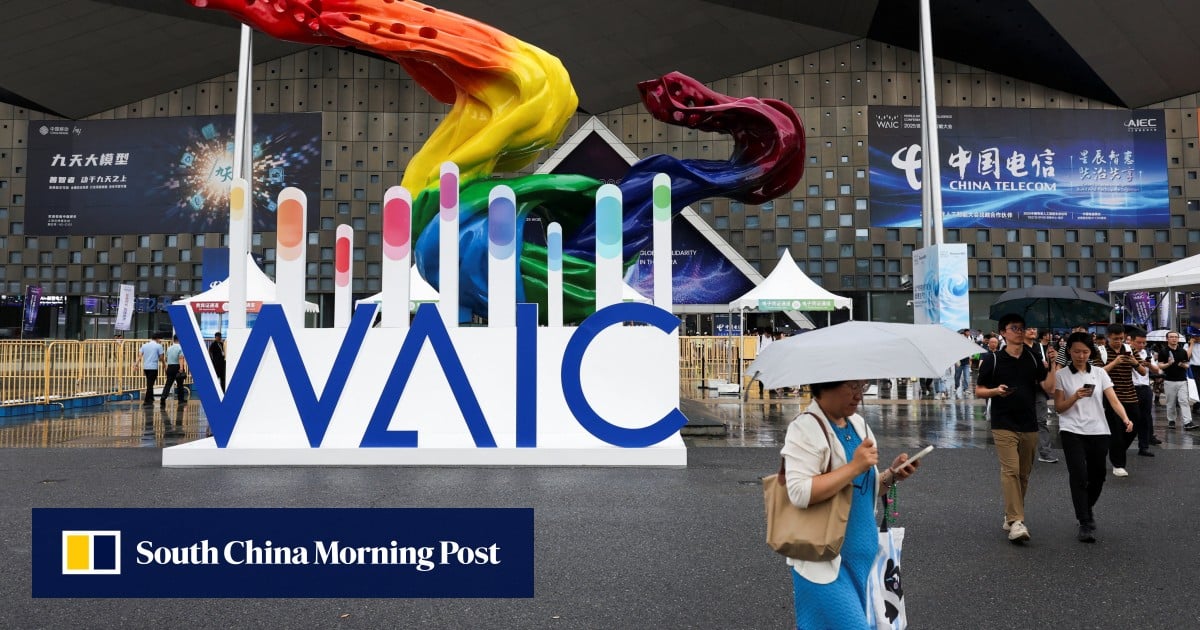 China is previewing new AI technologies ahead of its flagship Shanghai AI summit, with shipments of AI-enabled phones and computers expected to surpass traditional devices this year. Infineon is stepping up its push to tap into AI opportunities in the Chinese market. However, the Chinese government is considering imposing restrictions on cheap AI model exports similar to US regulations, which could end the era of low-cost Chinese AI models. The move signals a potential shift in China's AI export strategy.
 Shanghai is set to host its largest-ever world AI conference, underscoring China's growing influence in the global AI landscape. Meanwhile, a UN-promoted global AI network has been established in Geneva, marking a milestone in international AI governance efforts. Nikkei Tech explores whether China and the US can find common ground on AI regulation in Geneva, highlighting both the potential for cooperation and the deep divisions that remain between the two tech superpowers.
 A senior Chinese official announced that the country's output of humanoid robots will exceed 100,000 units this year, signaling rapid scaling of production. China Daily reports that these robots are being trained in a 'preschool' setting for diverse tasks ranging from farm work to performing Henan Opera. In Japan, construction firm Shimizu is betting on humanoid robots to address severe labor shortages in the construction industry, highlighting the growing global demand for embodied AI solutions.