 Qtrends
Infineon and China AI chip push amid US-China governance talks
 Infineon is accelerating efforts to tap into AI opportunities in China, signaling growing semiconductor market ties. Meanwhile, US and Chinese representatives are meeting in Geneva to explore common ground on AI governance. US firms have reportedly increased Chinese AI usage after restrictions on Mythos, while Beijing tightens rules on chatbot AI personas.
Sources:
 Australia's assistant technology minister warns that AI models are already acting in ways their creators never intended. Google now uses uploaded search media to train its AI, raising new privacy concerns. Scientific American reports early evidence that AI may be eroding human skills rather than augmenting them.
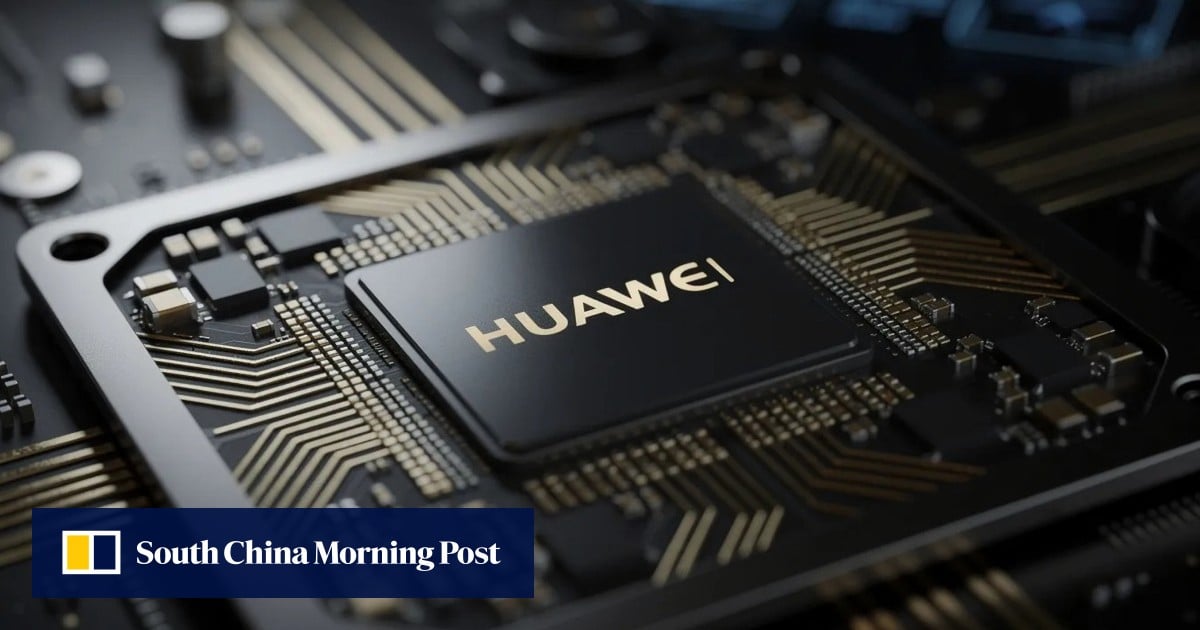 Huawei has introduced a new Kirin processor featuring LogicFolding technology, the first of its kind, set to power the Mate handset. The chip uses Huawei's Tau Scaling Law framework to drastically shorten signal travel distance in circuits. Separately, Huawei is entering South Korea's AI chip market with Atlas SuperPods containing 8,192 Ascend 950 accelerators each.
 China's chip equipment sector faces heightened earnings scrutiny as stock prices soar. US chip giants Nvidia and Intel are promoting homegrown American supply chain capabilities as the country bolsters local chip production, though significant gaps remain. MIT Review highlights a $400 million machine that is reshaping the future of chip manufacturing.
 Microsoft has laid off approximately 4,800 employees across its Xbox and commercial sales divisions, marking another major wave of tech workforce reduction. Reports indicate the company is divesting five game studios and has cut 3,200 jobs in its gaming division alone this year. The restructuring is described as a fundamental 'reset' of the Xbox business.