 Qtrends
Apple gears up for foldable iPhone and child-safe features
 Apple is preparing to launch a foldable iPhone this fall, though availability may be limited. The company is also planning five new iPhone models to boost market share amid a global memory supply crunch. Additionally, an overlooked built-in feature can turn iPhones into kid-friendly 'dumb phones' without extra hardware.
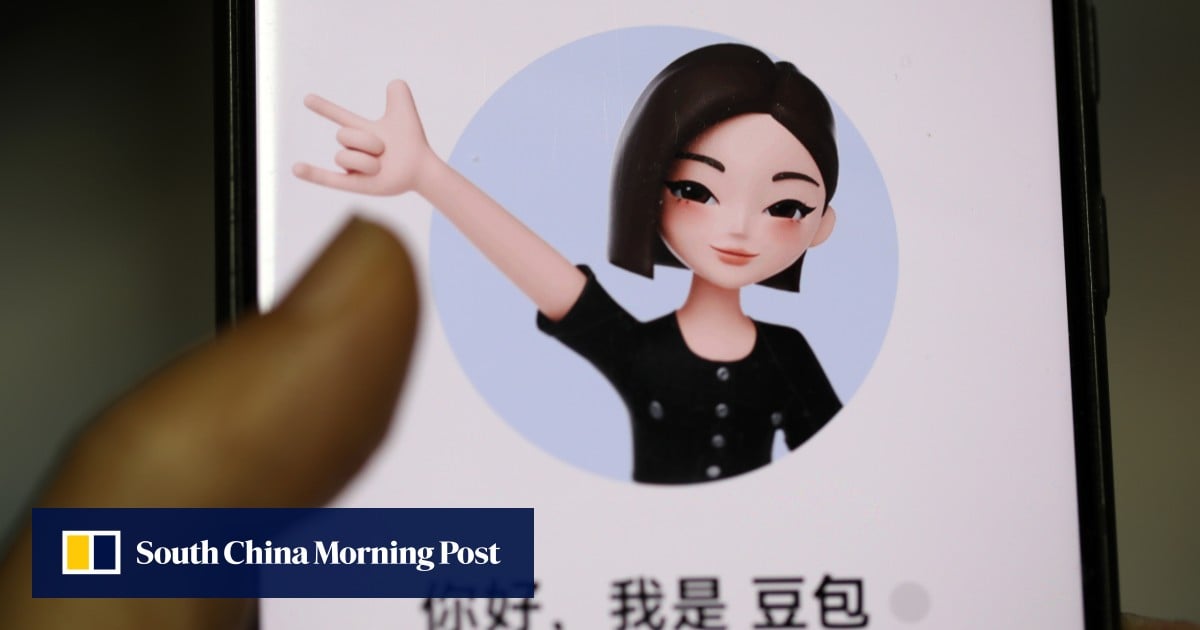 ByteDance and Alibaba are re-evaluating AI agent deployments in China, while ByteDance researchers have identified a new scaling law that could sustain the AI boom. However, AI agents are found to consume over a hundred times more energy than standard AI workloads, raising serious environmental concerns. Industry deployment is gradually moving from experimentation to wider adoption.
 A growing chorus of experts argues that current AI systems are 'not smart,' prompting discussion about what comes next. Early research suggests that reliance on AI is eroding human skills rather than augmenting them. Meanwhile, AI's success in games like Go is paradoxically inspiring humans to play better, not worse.
 Chinese memory module giant Longsys expects first-half net profit to surge more than 600-fold, reaching up to 11 billion yuan, driven by strong demand and tight global wafer supply. Robot maker Unitree is going public with a 4.2 billion yuan IPO, testing investor appetite for robotics. Beijing's first token factory has also achieved a daily output of 1.4 trillion tokens.
 Alibaba has banned its employees from using Anthropic's Claude Code, classifying it as 'high-risk' software. The decision follows the discovery that Anthropic embedded hidden tracking code to monitor Chinese users. The ban highlights growing tensions in the cross-border AI tool landscape.