 Qtrends
AI hardware stock selloff triggered by false Meta rumour
 A false rumour that Meta Platforms was planning to sell AI computing power as a cloud service triggered a broad selloff in AI hardware stocks on Thursday. Analysts at SemiAnalysis quickly dismissed the fears, saying Meta's data centre and compute procurement will accelerate, not slow down. Separately, concerns about AI's real costs were raised by Google and Amazon, while Elon Musk denied reports that SpaceX is developing an AI device.
Sources:
 Parents are being warned against publicly sharing images of their children amid rising risks of AI-enabled abuse. A new survey shows most Americans support banning children from social media before age 16. Meanwhile, Meta faces fresh scrutiny after Instagram was found to have approved child abuse advertisements in India, highlighting the platform's ongoing moderation failures.
 China's memory chip maker CXMT is taking orders for advanced DDR5 server memory from Tencent and ByteDance after completing customer validation, positioning itself to thrive after its IPO. Beijing is doubling down on high-tech development for a global digital edge, with the city's first token factory achieving a daily output of 1.4 trillion tokens. These developments signal China's continued push for semiconductor self-sufficiency.
 Zhipu AI has launched a new tool that turns its GLM-5.2 model into an AI agent, rolling out promotions to lure developers as US rival Anthropic responds to claims it covertly tracked Chinese users. Meanwhile, Mark Zuckerberg told Meta staff that AI agents have not progressed as quickly as he had hoped. A MIT Technology Review piece argues that AI agents should not be viewed as 'coworkers', underscoring the gap between hype and reality.
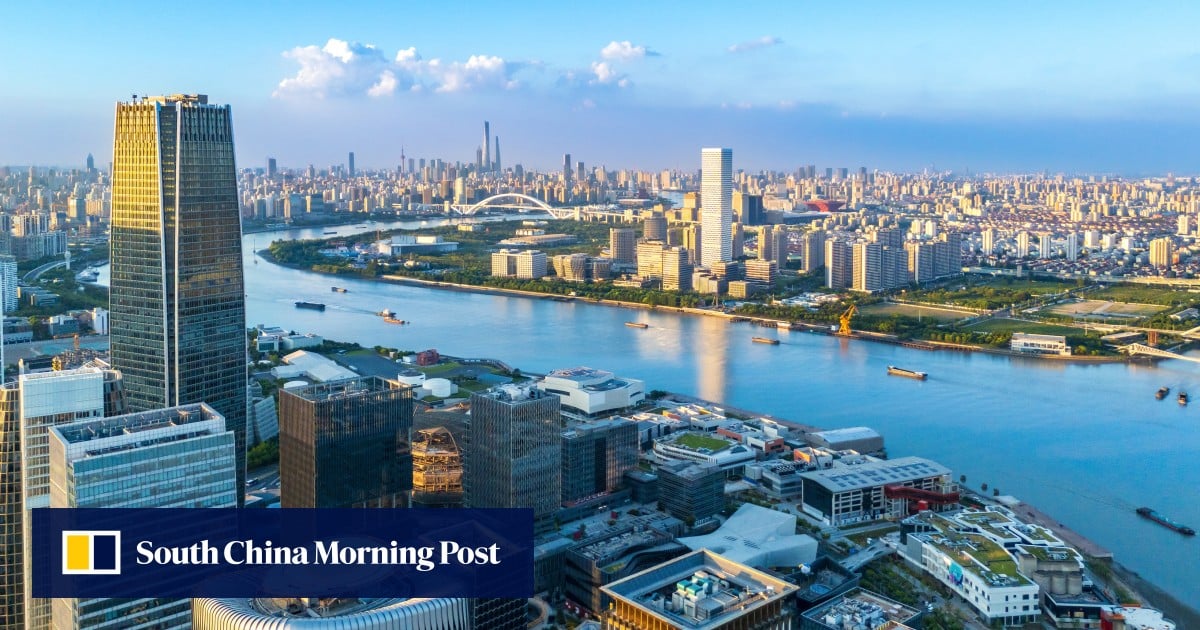 Shanghai has launched a quantum computing hub, part of China's broader race for technological supremacy, with the zone set to provide up to 100 million yuan in R&D funding. Guangdong province is scaling up its future industry initiatives, while a Guangzhou tech company is rising to meet the growing demands of the AI era. These moves underscore the aggressive expansion of China's high-tech infrastructure.