 Qtrends
China accelerates tech push with quantum hub and AI industrial upgrades
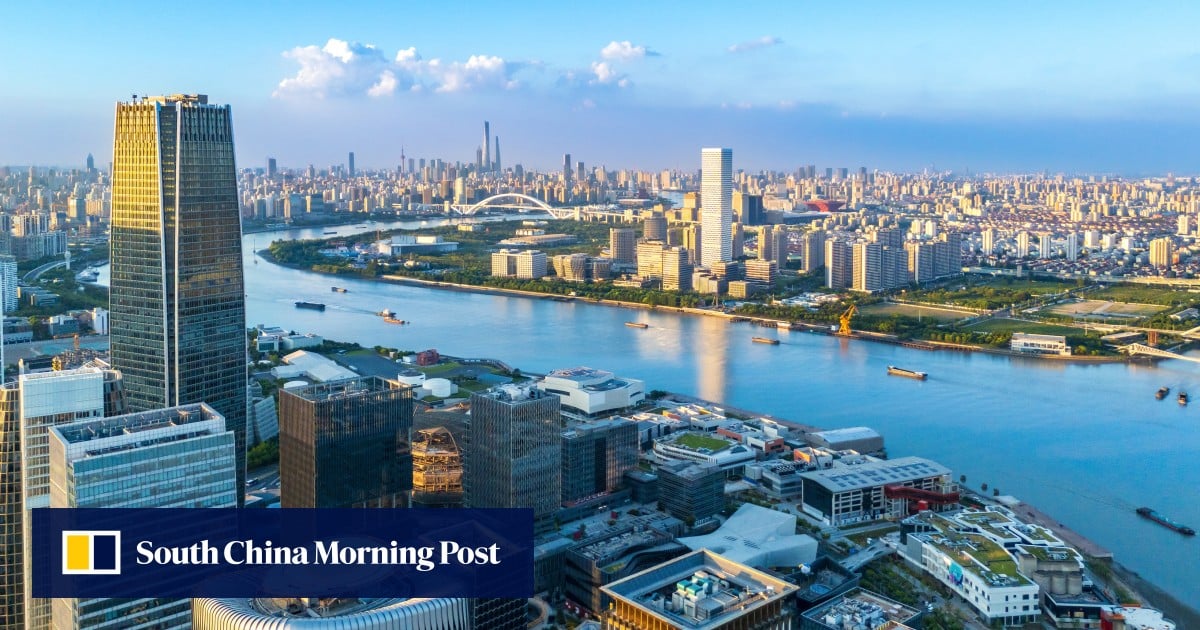 Shanghai has launched a quantum computing hub as part of China's drive for technological self-sufficiency and global leadership. The government has also unveiled an industrial internet roadmap targeting 50,000 industrial 5G private networks by 2030, with the sector's value added expected to exceed 2.5 trillion yuan. Guangdong province is scaling up its future industry initiatives, while a Guangzhou-based tech firm is positioning itself to meet the growing demands of the AI era. These moves underscore China's systemic push to dominate next-generation technologies.
Sources:
Guangdong to scale up future industry drive
(China Daily)
 OpenAI is reportedly in early-stage discussions to donate 5% of its equity to a US sovereign wealth fund, a move that comes days after Washington delayed the release of GPT-5.6. The proposed stake is far lower than Senator Bernie Sanders' target, but it signals a new dynamic where leading AI companies trade equity for political and regulatory breathing room. The Trump administration has been directly involved in the negotiations. The deal could set a precedent for government stakes in private AI firms.
 Anthropic is in discussions with Samsung to develop a custom AI chip, marking a strategic move away from reliance on Nvidia and other established suppliers. IBM has unveiled new chip technology that could extend Moore's Law for another decade, promising continued scaling of transistor density. Separately, a $400 million machine is pushing the boundaries of chip manufacturing, highlighting the immense capital required to maintain the pace of semiconductor innovation. The chip industry continues to see intense activity across both design and fabrication.
 Google and Amazon's AI spending is raising warning signs about the real cost of building and operating large-scale AI systems. Microsoft has launched its own AI deployment company backed by a $2.5 billion commitment, signaling a major bet on infrastructure-as-a-service. Meta reportedly plans to rent out its AI compute capacity, a move that has sent AI stocks tumbling amid fears of a cloud compute price war. The market is beginning to question whether the massive capital expenditure in AI infrastructure can deliver returns.
 Zhipu AI has released a new tool that transforms its GLM-5.2 model into an AI agent platform, launching promotions to attract developers as it competes with US rival Anthropic. The timing is notable given Anthropic's recent response to claims it covertly tracked Chinese users. Meanwhile, Mark Zuckerberg told Meta staff that AI agents have not progressed as quickly as he had hoped, prompting a sobering assessment from MIT Review that questions whether AI agents truly function as "coworkers." The contrast between ambitious product launches and tempered expectations frames the current state of the AI agent market.