 Qtrends
OpenAI in talks to give US government 5% stake
 OpenAI is reportedly in early-stage discussions to allocate a 5% equity stake to the U.S. government, a move that comes days after Washington delayed the release of GPT-5.6. The company is also said to be urging other AI firms to follow suit with similar government stake arrangements. Critics see the proposal as a potential compromise of corporate independence, while proponents argue it could align AI development with national security interests. The talks highlight the growing tension between rapid AI advancement and government oversight.
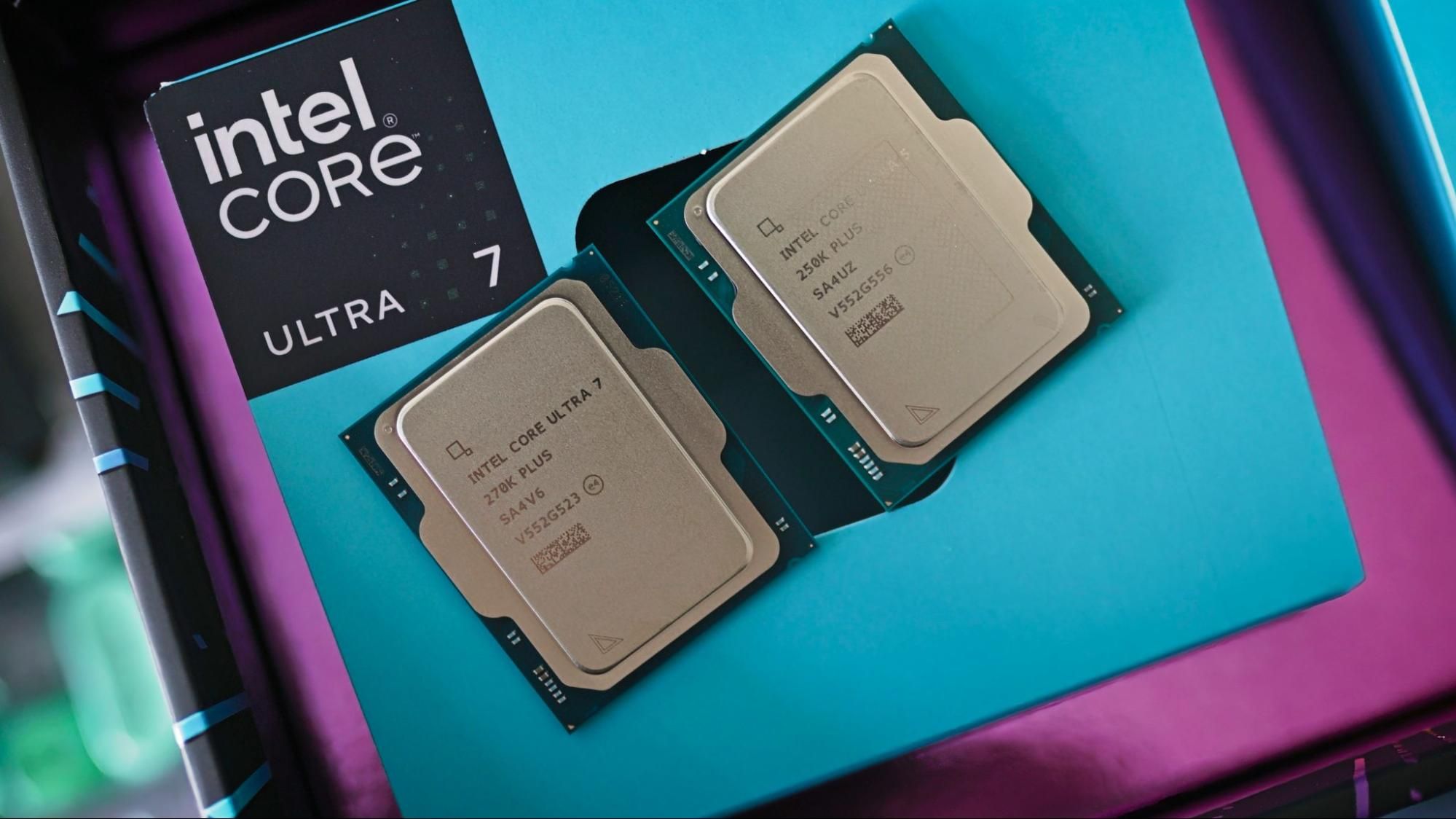 Intel has increased pricing on its flagship desktop CPUs by up to $50, impacting the consumer PC market just ahead of the July 4 shopping period. Meanwhile, retailers like CyberPowerPC and HP are offering deep discounts on RTX 5070 gaming desktops and 5080 gaming laptops, with savings reaching as high as $1,300. The contrasting moves suggest a market where component makers raise prices while system integrators compete aggressively on pre-built deals. Consumers face mixed signals on whether to buy now or wait for further price adjustments.
 Anthropic's AI models have received approval for global release after undergoing safety testing that reportedly caught the attention of former President Donald Trump. The Trump administration is said to be nearing a standards agreement with major AI companies, signaling a potential framework for AI regulation. The developments come as broader questions about AI's societal impact continue to surface, including concerns from Japan's tech sector. Anthropic's clearance marks a significant milestone in the ongoing debate over AI safety versus rapid deployment.
 Zhipu AI has released a new tool that transforms its GLM-5.2 model into an autonomous agent, launching promotional campaigns to attract developers. The move intensifies competition with U.S.-based Anthropic, which recently responded to allegations that it covertly tracked Chinese users. Meanwhile, critics warn that AI agents are being overhyped as 'coworkers' and that AI-generated summaries risk degrading the quality of platforms like TripAdvisor. The AI agent space is becoming increasingly crowded and contentious.
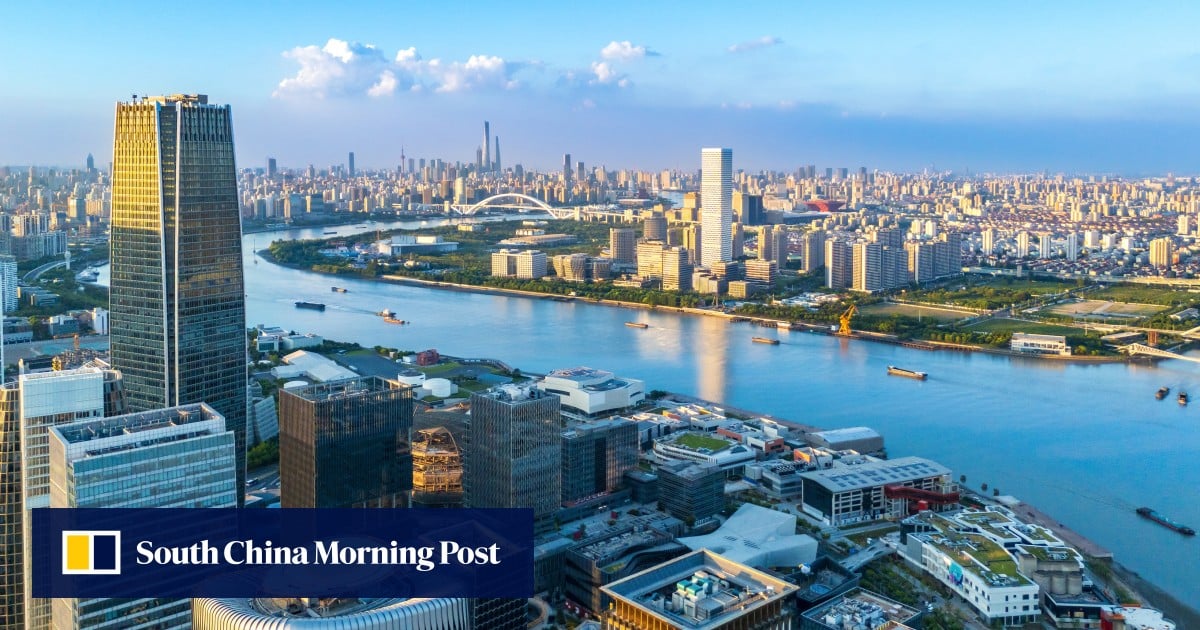 Shanghai has unveiled a new quantum computing hub as part of China's broader push for technological supremacy. The central government released an industrial internet roadmap that places AI and 5G at the core of industrial upgrades, targeting 50,000 private 5G networks and an added value exceeding 2.5 trillion yuan by 2030. Guangdong province is scaling up its future industry initiatives, while local tech companies are rising to meet AI-era demands. These moves signal a coordinated national strategy to lead in next-generation infrastructure.