 Qtrends
Anthropic launches cheaper, more autonomous Claude Sonnet 5
 Anthropic has released Claude Sonnet 5, positioning it as a more cost-effective model built specifically for enterprise agent workloads. The model is designed to handle complex tasks autonomously while reducing operational costs for businesses. Reviews highlight its improved performance on tasks that typically drive up enterprise AI bills.
 The US Supreme Court has agreed to hear Apple's appeal in its long-running legal battle with Epic Games over App Store fees. The case, which began with Epic challenging Apple's 30% commission on in-app purchases, has significant implications for the app store business model. Both technology companies have been locked in litigation for years over antitrust allegations.
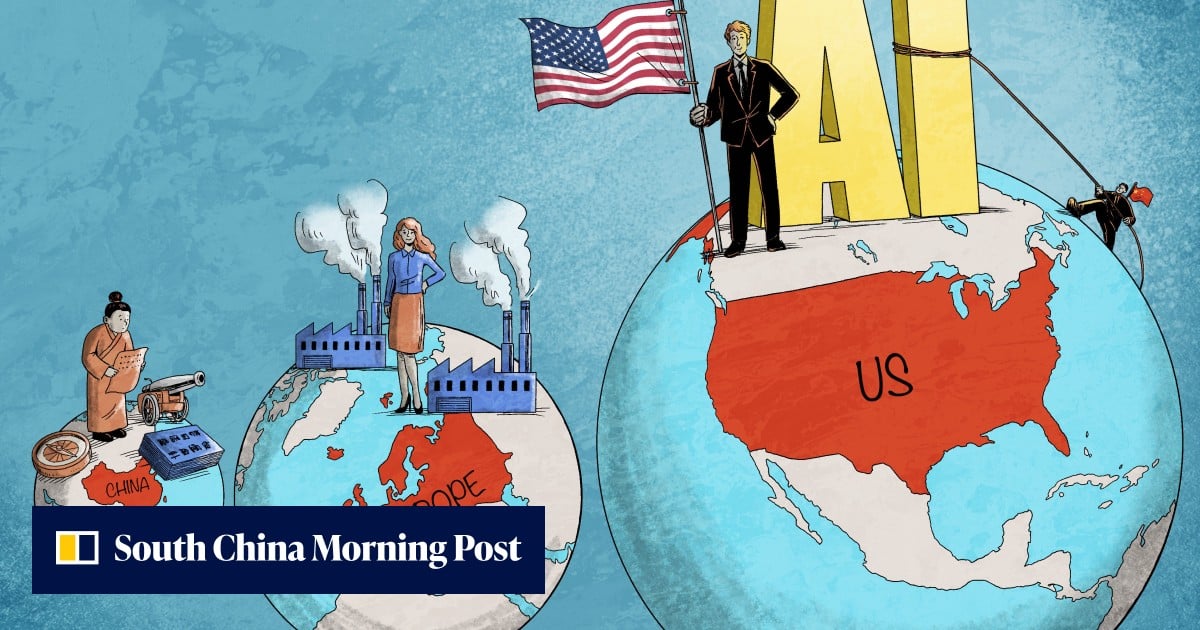 China's Z.ai has released an AI model that tops global ranking charts, signaling the country's rapid advancement in cutting-edge technology from EVs to robotics. Japan has responded by backing SoftBank-led AI models with up to $6.2 billion in a bid to keep pace with both the US and China. The developments highlight an intensifying three-way competition for AI supremacy.
 The Trump administration's plan to use AI to redesign every .gov website has reportedly produced poor results, sparking criticism of government AI deployment. Meanwhile, a new attack vector raises security concerns about AI-powered browsers. Anthropic has also faced questions about whether Claude Sonnet 5 is safe enough to release, with the company defending its safety protocols.
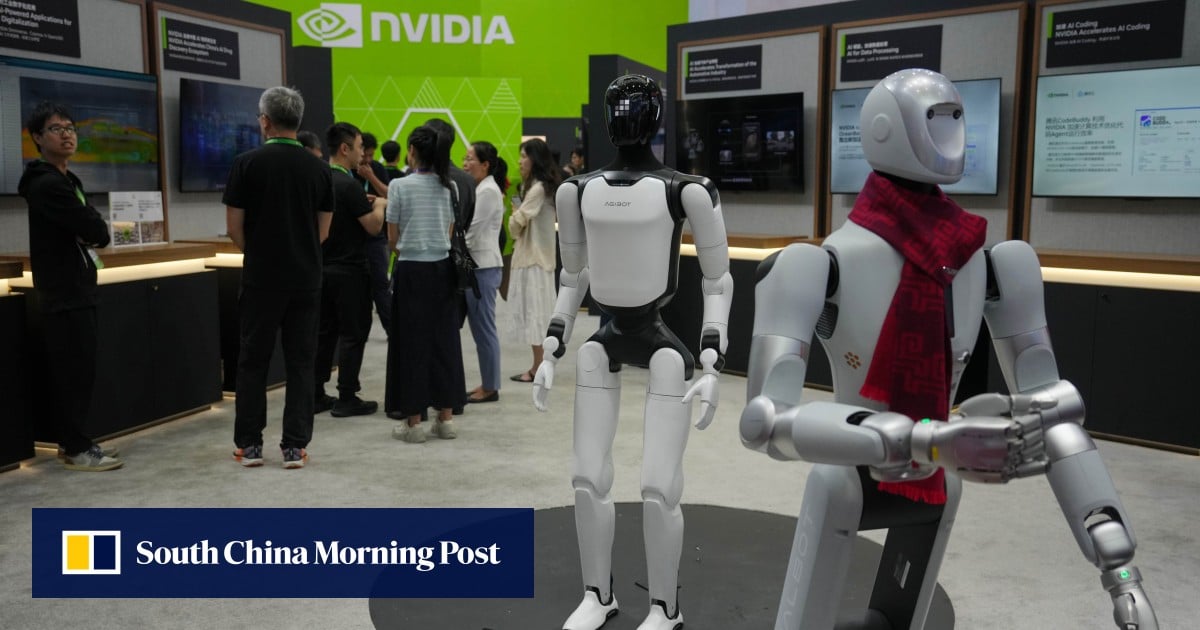 Nvidia is expanding its robotics talent recruitment in China, with CEO Jensen Huang calling the country a 'great center of technology and industry.' China's LineShine supercomputer has topped global rankings, achieving nearly 2 quadrillion calculations per second. The developments underscore China's growing strength in both hardware and AI talent.