 Qtrends
Microsoft faces copyright backlash over OpenAI supercomputer
 The New York Times has accused Microsoft of building a copyright-infringing supercomputer for OpenAI, drawing fresh scrutiny over how AI companies source training data. Amazon has reportedly dropped its OpenAI partnership as data center workers push back against labor conditions. Meanwhile, an Apple executive in charge of the Vision Pro is said to be leaving for OpenAI, signaling continued talent migration toward the AI startup.
 Tom's Hardware reports major discounts on AMD Ryzen prebuilt systems, including an RX 9070 XT and 32GB DDR5 configuration at $750 off. A separate deal bundles an AMD AM5 motherboard with a nearly free Samsung 990 Pro SSD. AMD has also launched a 10th Anniversary Edition of the Ryzen 7 5800X3D, now in stock, catering to enthusiasts looking for a commemorative chip.
 China has launched its first connectivity standard for AI agents, introducing 'digital ID cards' for autonomous agents to standardize interactions. Thailand's Saha Group is partnering with Japan's SoftBank to develop AI-powered services. Japanese banks and tech firms are jointly developing an AI chat tool for retail asset management, signaling a broader Asian push into regulated AI applications.
 Author Cory Doctorow warns that tech companies pursuing AI cannot make billions without hurting people, as the AI bubble and management fantasies drive worker displacement. In China, tech workers view AI 'optimisation' as a euphemism for unemployment, worrying their jobs may soon be automated. Conversely, DeepSeek is on a hiring spree, seeking to double its workforce and become a 'driving force' in achieving AGI.
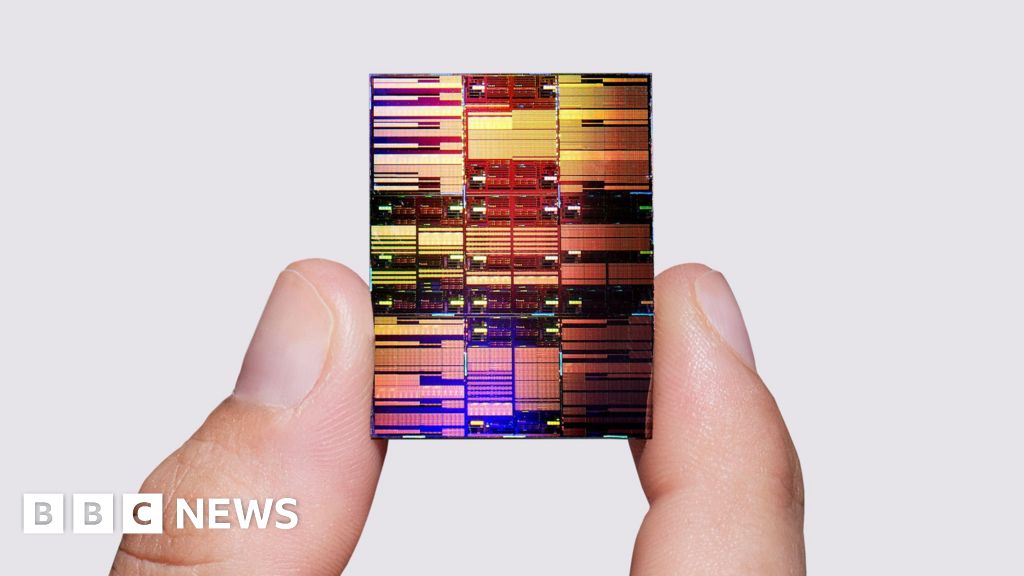 IBM has unveiled a novel 'block of flats' chip design that could extend Moore's Law by another decade. The breakthrough is detailed by MIT Technology Review, which also covers a $400 million machine that is powering the future of chipmaking. BBC reports hailed the design as a major advancement for ultra-tiny chips, promising continued transistor density scaling beyond current limits.