 Qtrends
China pushes AI into consumer goods and chips
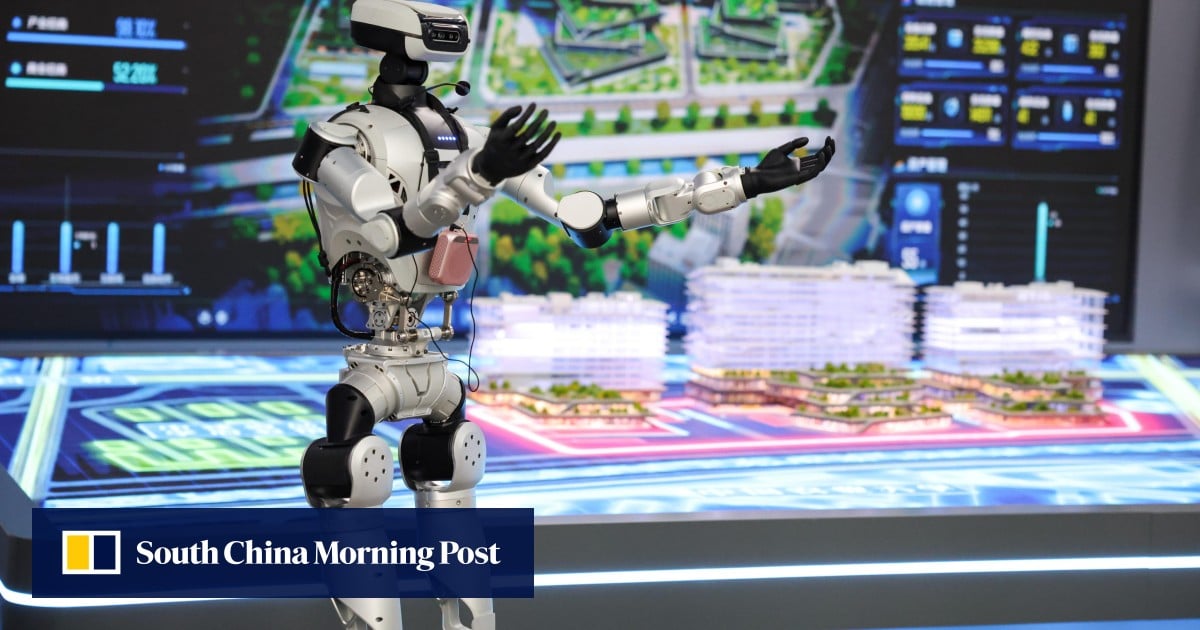 China is embedding artificial intelligence into consumer goods and services as part of a broader strategy to dominate the AI supply chain. A Chinese AI chipmaker has been approved for a STAR Market listing, signaling strong government backing. Price wars continue among Chinese AI firms even as model sizes balloon. A Chinese AI lab executive claims the country will achieve a top-tier AI model before next year.
Sources:
Chinese AI chipmaker approved for STAR listing
(China Daily)
 Chinese AI developers Zhipu and DeepSeek are pushing into trillion-parameter foundation models, undeterred by US restrictions on advanced chips. A University of Hong Kong scholar warns that China's advantages in energy and industrial applications could erode America's AI lead. DeepSeek's landmark funding round cements founder control while the firm stays committed to pursuing artificial general intelligence.
 Anthropic is disabling its most advanced AI models following a US government order restricting foreign access to cutting-edge technology. In Asia, Japan's Go is pursuing robotaxis and acquisitions after the country's largest IPO of 2026. Japan also unveiled a $65bn public-private investment target for physical AI by 2040 and is considering continuous legal reforms to address emerging AI threats at the Mythos level.
 Growing concerns over AI-driven labor exploitation emerge as commentators warn the gig economy model could expand to more workers. Alibaba's Joe Tsai made the company's biggest AI push yet at VivaTech, signaling aggressive investment. AI agents are poised to revolutionize the payment industry, while MIT Review rounds up the ten most important developments in AI right now.
 The first HDR10 smart glasses have hit the market, offering a new visual experience for wearable tech enthusiasts. However, real-world testing in Paris reveals accuracy issues with AI-powered features. The XGIMI MemoMind One smart glasses receive praise for design but criticism for their AI assistant capabilities, described as 'creepy' by reviewers.