 Qtrends
China accelerates AI integration across consumer products and chips
 China is embedding artificial intelligence into consumer goods and services as part of a broader national push. Chinese AI firms are competing aggressively on price even as model sizes grow, with a new AI chipmaker receiving STAR listing approval. A CEO of a Chinese Anthropic rival claimed to Elon Musk that China will achieve a Frontier-class AI model before next year, signaling accelerated ambition despite US export controls.
Sources:
Chinese AI chipmaker approved for STAR listing
(China Daily)
 The Guardian warns that AI could amplify gig-economy exploitation, extending precarious labor conditions to more workers. At VivaTech, Alibaba's Joe Tsai made his strongest AI push to date, signaling big tech's deepening commitment. China Daily reports that AI agents are poised to revolutionize payment systems. MIT Review rounds up the ten most consequential developments in AI right now, underscoring the breadth of transformation underway.
 Zhipu and DeepSeek push China's trillion-parameter AI frontier as lower costs and investor momentum drive progress despite US restrictions. A University of Hong Kong scholar argues that America's AI lead is vulnerable — China's advantages in energy and industrial applications could erode the US 'moat'. DeepSeek's landmark funding cements founder Liang's grip as the company remains committed to pursuing artificial general intelligence.
 ZDNet reports on the world's first HDR10 smart glasses, marking a visual leap for wearable displays. But BBC testing of AI glasses in Paris revealed persistent accuracy problems — the technology still gets basic facts wrong in real-world scenarios. Engadget's review of XGIMI MemoMind One calls them smart glasses with a 'creepy' AI assistant, highlighting the ongoing tension between capability and user comfort in wearable AI.
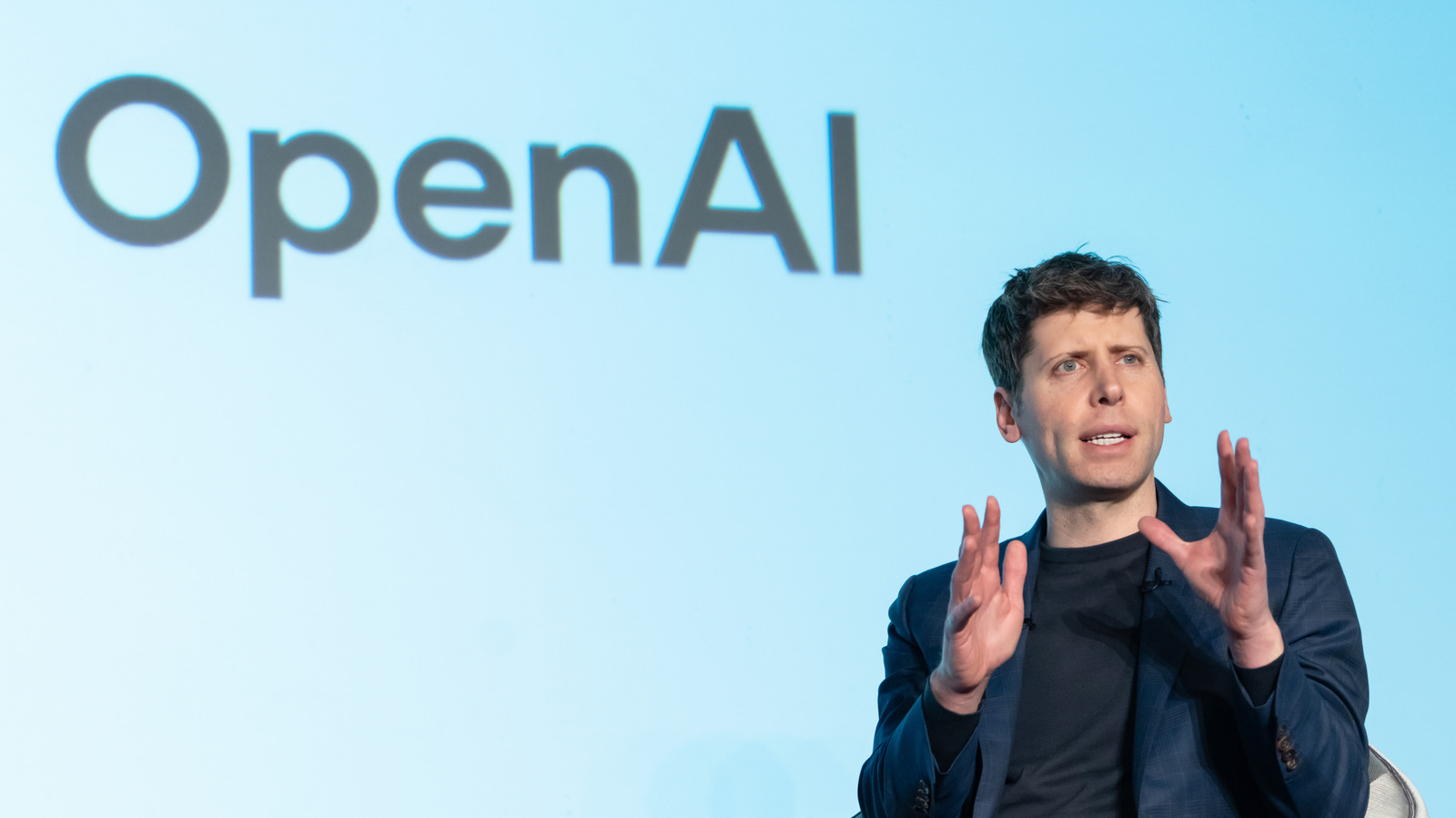 Amazon MGM Studios has withdrawn from producing a Sam Altman biopic focused on OpenAI's 2023 leadership crisis. The decision comes months after Amazon made a substantial investment in OpenAI, creating an apparent conflict of interest. Gizmodo and Digital Trends both frame the pullback as a corporate sensitivity move — the film may have hit too close to home for the tech giant's new financial relationship with Altman's company.