 Qtrends
US restricts foreign AI access; Japan prepares legal reforms
 Anthropic has announced it will disable its most advanced AI models after a US government order limiting foreign access to cutting-edge AI capabilities. The White House is reportedly making up AI policy rules in real time, raising concerns about regulatory consistency. In response to emerging threats from advanced AI systems dubbed 'Mythos-level,' Japan is eyeing continuous legal reforms to keep pace with the technology.
 ByteDance's aggressive push into AI is creating opportunities for Chinese chip startups, potentially reshaping the semiconductor landscape. A domestic AI chipmaker has received approval for a STAR Market listing, signaling growing investor confidence. Meanwhile, Tokyo Electron's chief remains confident in the company's edge despite China's accelerating push for chip self-sufficiency.
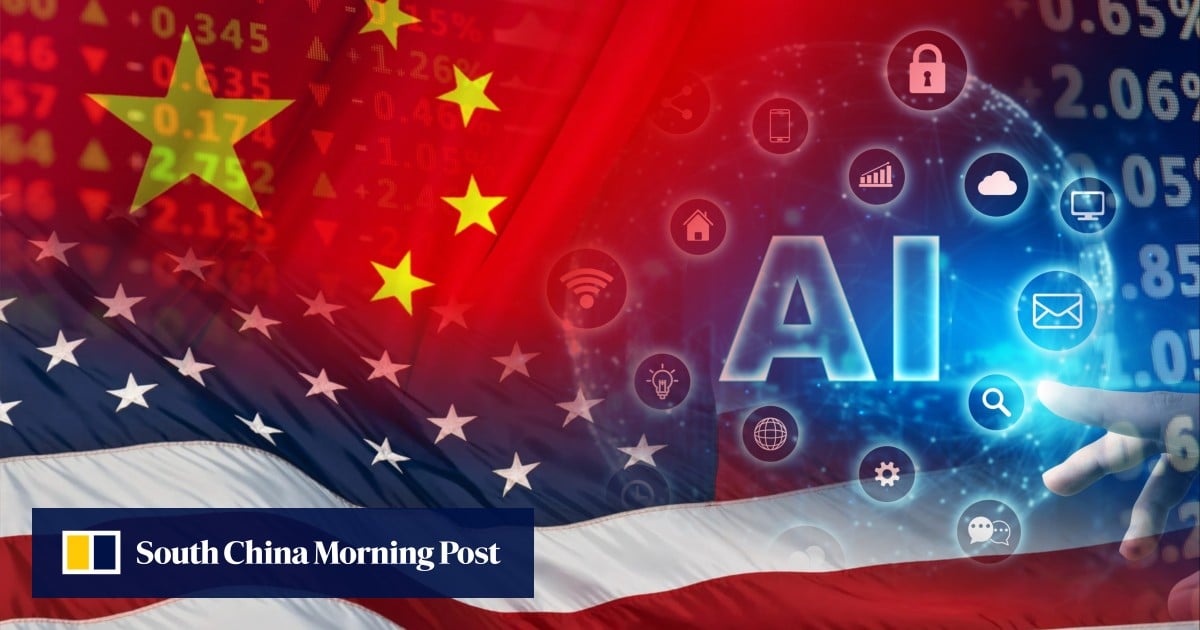 A scholar warns that the US AI lead is vulnerable to China amid structural challenges, highlighting the stakes of the ongoing technology race. China is set to host the 2026 World AI Conference in Shanghai this July, positioning itself as a global AI hub. Beijing is also accelerating the establishment of a World AI Cooperation Organization, signaling a push for international AI governance leadership.
 The first HDR10 smart glasses have been tested and reviewed, marking a step forward in wearable display technology. A BBC reporter tested AI glasses in Paris and documented notable failures in scene recognition and translation accuracy. The XGIMI MemoMind One glasses draw attention for their feature set but also raise concerns about creepy AI integration and privacy implications.
 Growing opposition to data center construction is reshaping local politics in one US state, with residents saying 'We don't want it.' Three Amazon workers report being under investigation for speaking out about data center operations. A federal regulator is pushing to fast-track AI data centers onto the power grid, sparking debate over energy use and community impact.