 Qtrends
US data center expansion sparks local political backlash
 The rapid expansion of AI data centers in the United States is triggering fierce local opposition, with communities rejecting new projects over environmental and quality-of-life concerns. Amazon employees speaking out about the issue report being placed under investigation. Meanwhile, a federal regulator is pushing to fast-track data center connections to the power grid, highlighting the tension between national AI ambitions and local resistance.
 Anthropic has confirmed it will disable its most advanced AI models following a US government order limiting foreign access to cutting-edge AI technology. Critics argue the White House is making up its rules for AI regulation in real time, creating uncertainty for the industry. Japan has announced plans for continuous AI legal reforms aimed at countering emerging threats, signaling a global regulatory ripple effect.
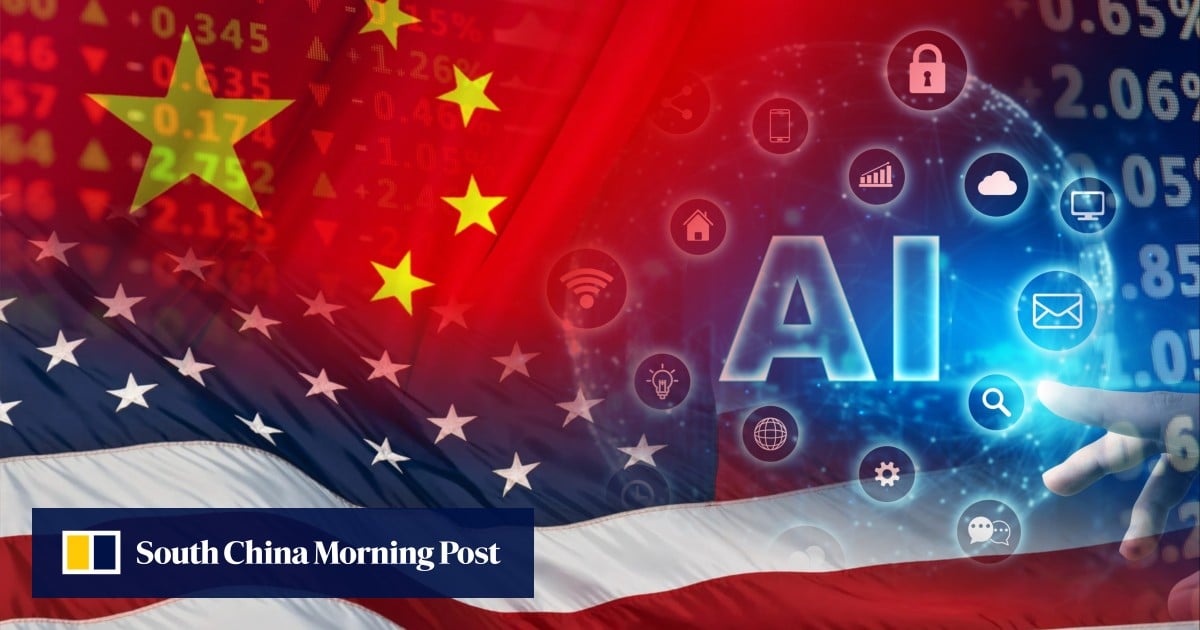 A scholar warns that the US lead in AI is vulnerable to China amid structural challenges, as Beijing pushes forward with its own AI agenda. China will host the 2026 World AI Conference in Shanghai this July, positioning itself as a global AI hub. The country is also accelerating the establishment of a World AI Cooperation Organization, signaling its intent to shape international AI governance.
 As ByteDance goes all in on AI, Chinese chip startups are poised to benefit from surging domestic demand. One Chinese AI chipmaker has been approved for a STAR Market listing, a milestone for the sector. Meanwhile, Tokyo Electron's chief acknowledges the challenge of competing with China's domestic chip self-sufficiency push, highlighting the global semiconductor industry's shifting dynamics.
 The world's first HDR10 smart glasses have arrived, marking a technical milestone for wearable displays. However, real-world testing reveals persistent accuracy issues with AI features, particularly in navigation and object recognition. Reviews of the XGIMI MemoMind One highlight the tension between useful smart glasses functionality and the unease of pervasive AI-powered camera features.