 Qtrends
Apple warns of unavoidable iPhone price hikes amid AI memory crunch
 Apple CEO Tim Cook acknowledged that rising memory costs driven by AI demand will force price increases across the iPhone lineup. Reports indicate the iPhone 18 Pro could cost as much as $1,399. The memory crunch stems from surging demand for high-bandwidth memory used in AI data centers competing with consumer electronics supply chains. Digital Trends and Engadget both confirmed Cook's statements that these increases are unavoidable.
Sources:
 Snap's newly unveiled augmented reality glasses, priced at $2,195, were met with widespread criticism and drove the company's stock lower. The AR Spectacles, slimmed down from previous versions, are set to go on sale later this year but have already drawn harsh reviews from tech commentators. TechCrunch reported the stock decline, while Gizmodo noted the glasses are being "roasted to death" online. The high price point and unclear consumer value proposition appear to be key pain points.
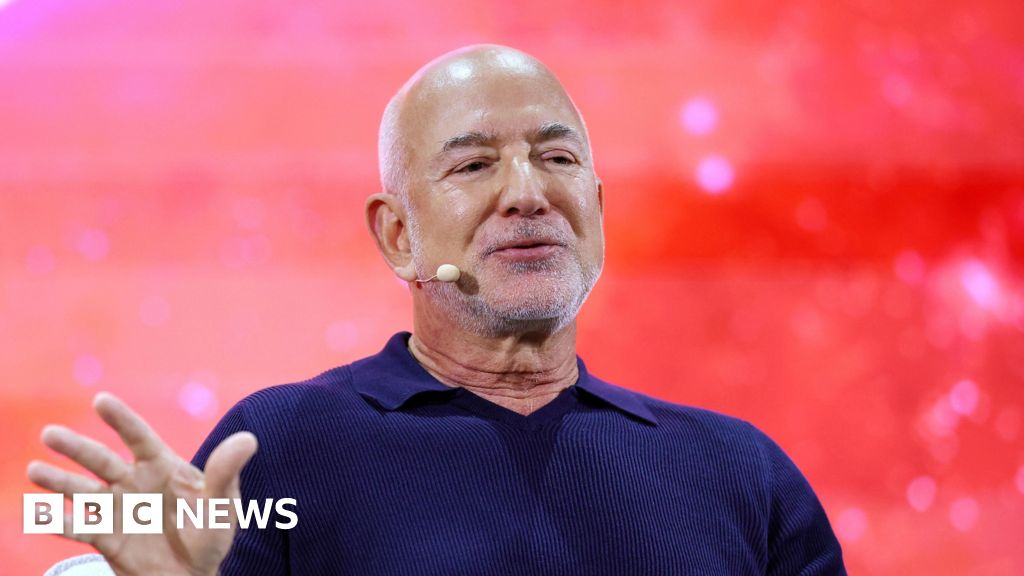 Amazon founder Jeff Bezos stated that AI will create more jobs for humans rather than replace them, pushing back against widespread automation anxiety. In contrast, The Guardian published a piece arguing that "AI absolutism" is distorting public perception and that a dystopian future is not inevitable. Separately, Anthropic became the first AI startup to join the Frontier carbon removal coalition, signaling growing environmental responsibility within the AI industry.
 Coverage of AI's cognitive impact spans both promise and peril. The Guardian reported that AI now enables non-invasive mind-reading by converting thoughts into text. Meanwhile, BBC published a piece asking "how to stop AI from turning your brain to mush," reflecting growing concerns about cognitive dependency on AI tools. TechCrunch offered practical advice on disabling AI features in Google Docs, highlighting user pushback against always-on AI integration.
 Chinese AI models are increasingly competitive with their US counterparts, though the country's AI hardware infrastructure still trails significantly, according to SCMP. A survey by a London-based consultancy found that while over 90% of respondents believe AI will transform the world, trust in AI remains a concern for China. On the diplomatic front, China announced it will host the 2026 World AI Conference in Shanghai this July and is accelerating the establishment of a World AI Cooperation Organization.