 Qtrends
Chinese EV makers develop in-house smart-driving chips
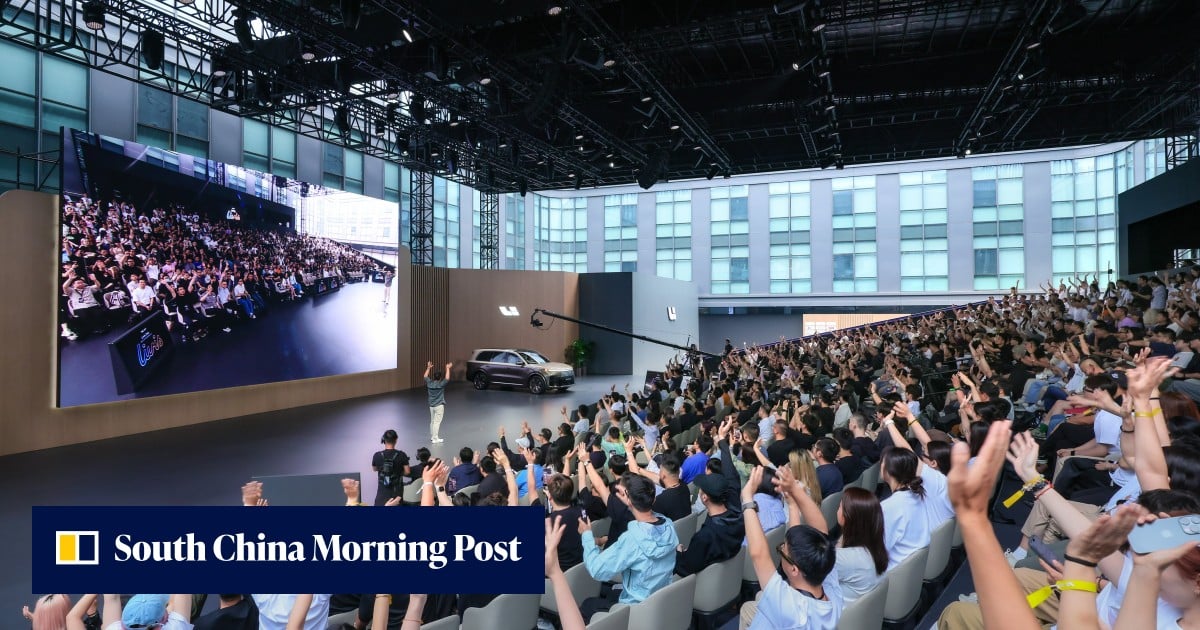 Chinese electric vehicle manufacturers are designing their own smart-driving chips to reduce reliance on Nvidia and Horizon Robotics, intensifying the competitive landscape. Tesla's Cybercab is positioned as its most efficient EV yet, though the rollout of its robotaxi service remains slow. The moves reflect a broader industry push for vertical integration in computing hardware.
Sources:
 A new survey indicates China's artificial intelligence has outpaced global rivals in technical capability but still struggles with public trust. Shanghai is set to host the 2026 World AI Conference in July, and China is accelerating the establishment of a World AI Cooperation Organization to shape global governance.
 Qualcomm has unveiled a flagship XR processor and a new framework for AI glasses, signaling a push into wearable computing. Hands-on reviews of early products have been mixed: the world's first HDR10 smart glasses impressed, while AI glasses tested in Paris produced notable errors. The category is gaining momentum as major chipmakers enter the space.
 UK teenagers acknowledge that social media carries risks but say it also provides valuable opportunities, as the government considers a ban for under-16s. Five major questions remain unresolved about the proposed legislation. Meanwhile, reports show that algorithmic trends and viral fads, rather than friends' posts, now dominate social media feeds.
 SpaceX's blockbuster IPO has sent shockwaves through global markets, with its market value vaulting past Microsoft and Amazon in the post-IPO rally. The company also announced a $60 billion stock acquisition of Cursor. The IPO buzz has spilled into Chinese A-share markets, where aerospace stocks surged.