 Qtrends
Zhipu AI stock surges on GLM-5.2 launch, undercutting US rivals
 Chinese AI firm Zhipu saw its stock price rocket after launching the GLM-5.2 model, positioning itself as a cost-effective alternative to US competitors like Anthropic. The company offers a subscription plan at roughly one-tenth the cost of Anthropic's premium Claude tiers. The move capitalizes on geopolitical tensions and high prices that are pushing Chinese users away from American AI models. Meanwhile, peer Minimax stumbled, creating a divergence in China's AI stock landscape.
Sources:
 Meta has reportedly partnered with a Pentagon supplier to prototype facial recognition technology for its smart glasses, raising serious privacy concerns. The same technology is used by police and military agencies. Reports indicate Meta is actively testing surveillance capabilities that could identify strangers in real time. The revelations have sparked backlash from privacy advocates and renewed calls for regulation of wearable camera devices.
 NASA's experimental X-59 quiet supersonic aircraft has achieved critical speed and altitude milestones, bringing it closer to its first quiet supersonic flights. The aircraft is designed to reduce the sonic boom to a quiet thump, potentially paving the way for commercial supersonic travel over land. The milestone was reported by multiple outlets including Engadget, Gizmodo, and Scientific American, signaling broad interest in the program's progress.
 The United Kingdom has announced plans to ban social media for children under 16, one of the most aggressive regulatory moves against youth social media use globally. Critics describe the policy as bold and blunt but not a silver bullet for online safety. The ban covers all major platforms and has sparked debate about enforcement, privacy, and whether legislation can effectively protect children without overreach. TechCrunch, WIRED, BBC, and Engadget all covered the announcement extensively.
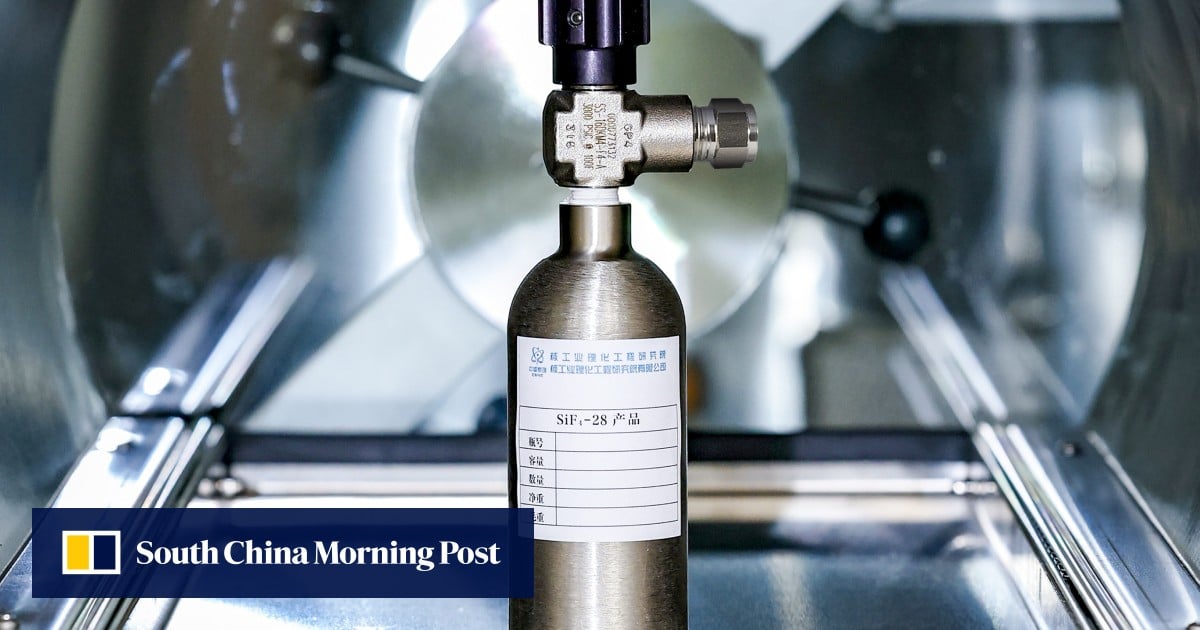 China is making progress toward self-reliance in quantum computing manufacturing, part of a broader push to reduce dependence on foreign technology amid US-China tech competition. Beijing is investing heavily in domestic quantum fabrication capabilities. Meanwhile, Scientific American reports that quantum computing is approaching a make-or-break moment, questioning what practical applications the technology is truly suited for.