 Qtrends
OpenAI accuses China of fomenting anti-data-center dissent
 OpenAI has banned ChatGPT accounts it claims are linked to China and used to amplify backlash against rising electricity costs driven by U.S. AI data centers. The company asserts this is part of a coordinated Chinese influence campaign. The narrative is fueling a Republican push to label the anti-data-center movement a Chinese psychological operation. Critics warn this risks conflating legitimate local opposition with foreign interference.
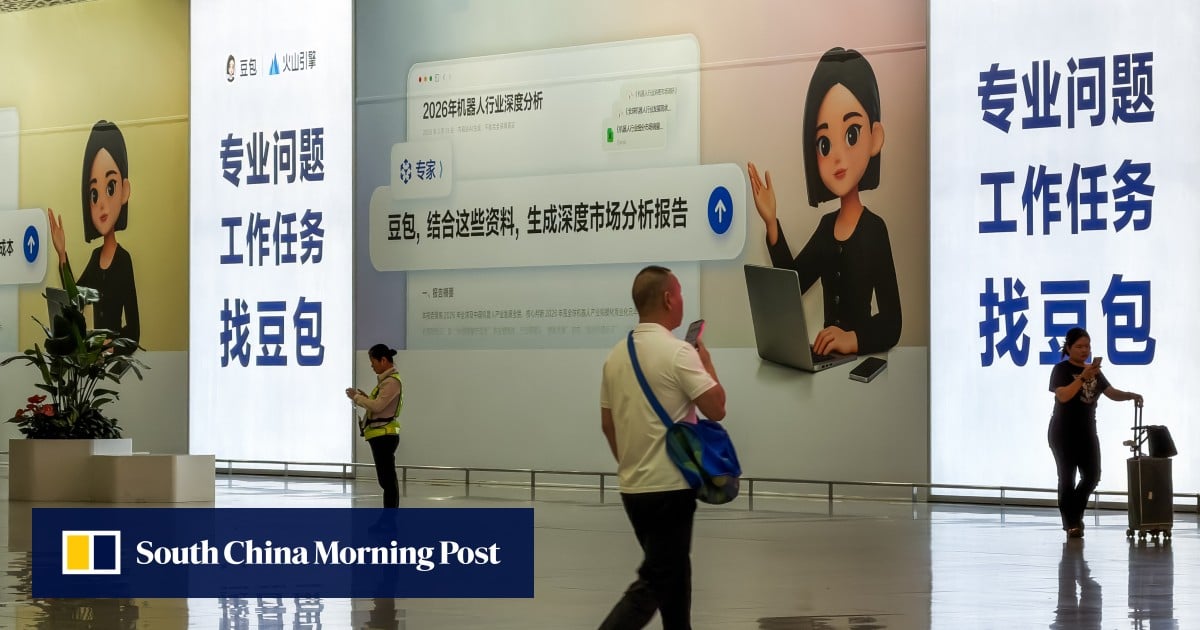 China has overtaken the U.S. in everyday AI application deployment, though Chinese AI companies are viewed as overvalued. The AI server boom is creating new opportunities for Chinese component manufacturers, particularly in advanced capacitors. Meanwhile, global markets show signs of dot-com-era excess in AI-related investments. The broader AI expansion is also generating new cybersecurity threats across Asia, from scams to deepfakes.
 The Guardian argues that the apocalyptic AI future being marketed to the public is not inevitable, pushing back against deterministic narratives. Billions have been poured into AI with largely hypothetical returns, and six charts illustrate the scale of spending versus uncertain outcomes. Separately, Tom's Hardware reports AI could consume up to 600 billion gallons of water annually by 2030, raising serious environmental sustainability questions.
 China Daily highlights AI's expanding role in immersive consumer experiences and eldercare, showcasing practical domestic applications. MIT Technology Review provides broad overviews of the current AI landscape through accessible charts and explainers. These articles contrast with the geopolitical and environmental debates dominating other coverage, focusing instead on AI's tangible benefits and public understanding.