 Qtrends
Apple unveils major Siri AI overhaul at WWDC 2026
 Apple kicked off WWDC 2026 with a long-awaited Siri artificial intelligence overhaul, marking one of the biggest updates to the voice assistant. The new Siri AI integrates deeper personalization capabilities and an all-new app experience slated for later this year. Accompanying announcements included iOS 27, watchOS 27 with perimenopause features, and expanded Apple Intelligence capabilities. The event signals Apple's aggressive push to catch up in the AI assistant race.
Sources:
 The global artificial intelligence boom continues to accelerate, with billions being poured into infrastructure and start-up valuations. China's Moonshot AI, creator of the Kimi chatbot, is reportedly seeking a $30 billion valuation. Panasonic aims to quadruple its AI-related sales by focusing on data center battery solutions. Analysts also project that tin demand for AI servers will triple by 2030, reflecting the hardware supply chain ripple effects of the AI expansion.
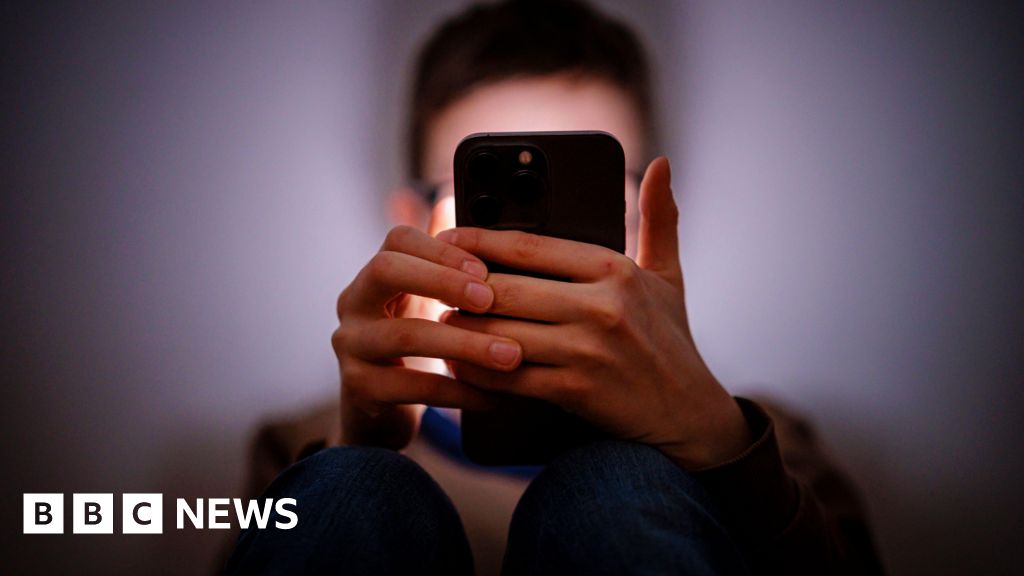 UK Prime Minister Keir Starmer has issued a direct ultimatum to Apple and Google, demanding they block nude images on children's phones by activating built-in safety features. This is part of a broader push that includes preparing social media restrictions for children, with the prime minister pledging decisive measures. The move follows growing calls for the UK to adopt measures similar to Australia's social media ban for minors.
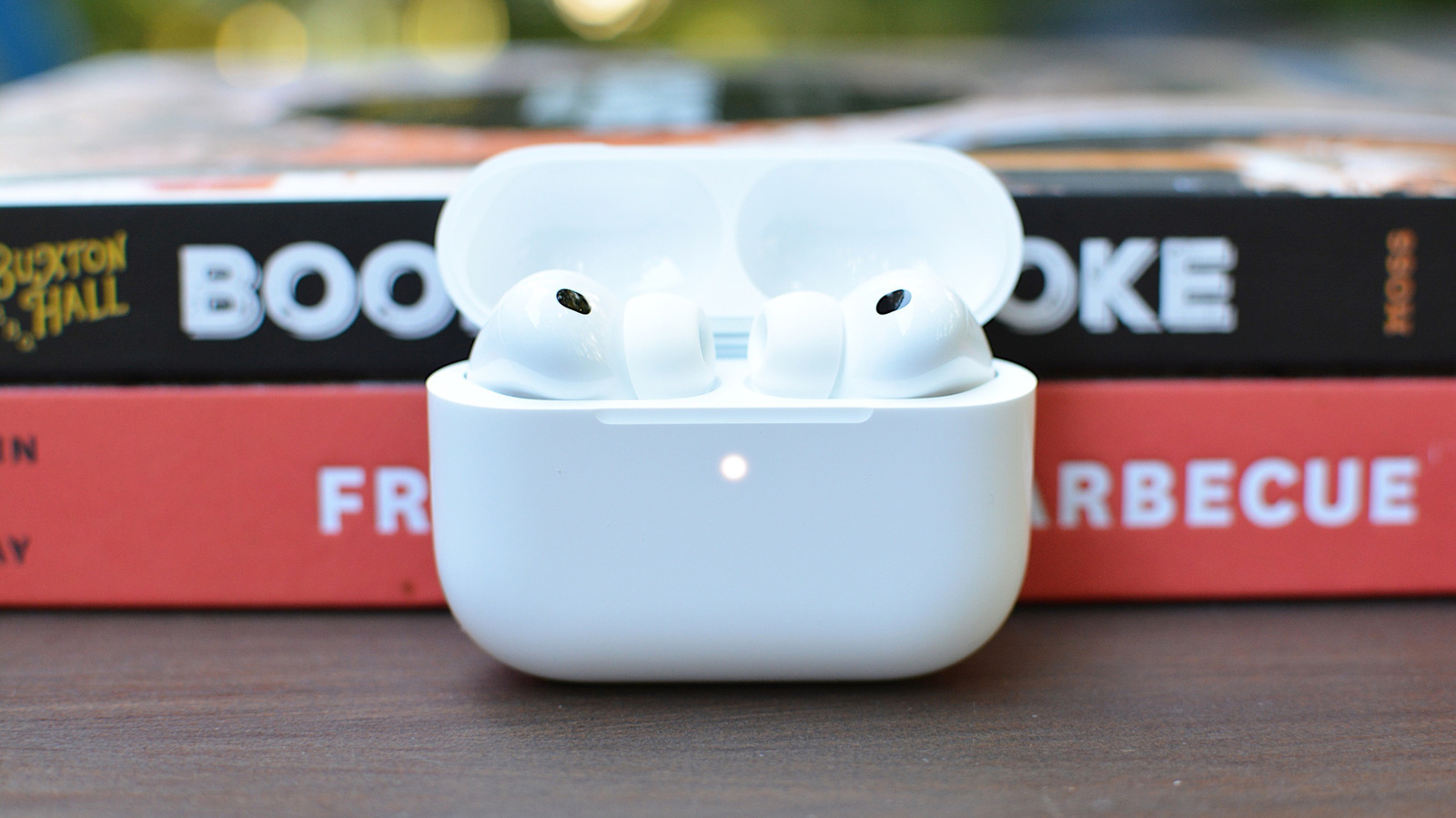 After nearly a decade since the original AirPods launch, Apple is finally adding a customizable equalizer to its wireless earbuds. The feature arrives with iOS 27, allowing users to personally tune their listening experience. The update addresses a long-standing complaint from audio enthusiasts who wanted more control over sound profiles. It marks a significant quality-of-life improvement for the AirPods lineup.
 Apple is revising its Liquid Glass interface design following widespread criticism over readability issues. The design language, introduced with iOS 27 and macOS updates, featured translucent glass-like elements that many users found difficult to read. TechCrunch reports that Apple is tweaking the controversial elements, while Gizmodo notes the company is fixing illegible Liquid Glass components on macOS. The controversy highlights the tension between aesthetic innovation and usability in interface design.