 Qtrends
AI boom accelerates with massive spending and global competition
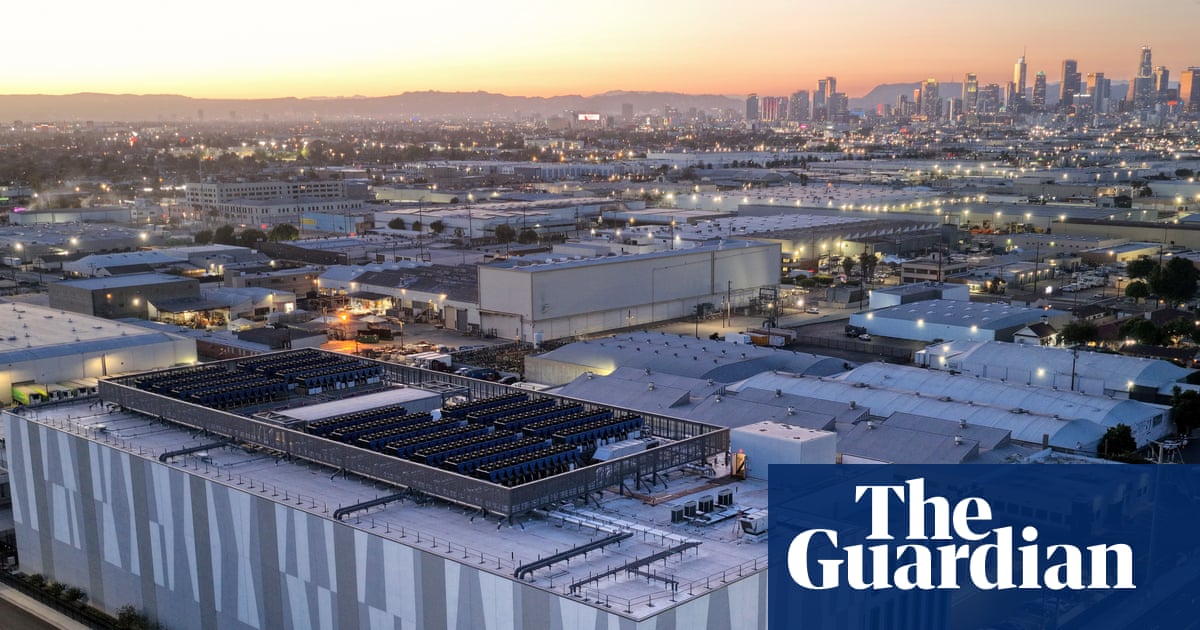 The AI sector continues to attract enormous investment despite uncertain returns, as illustrated by six charts tracking the global boom. MIT Review highlights ten defining developments shaping the current AI landscape. Meanwhile, Nikkei Tech reports that Japan's analog computing layer offers unexpected resilience advantages against frontier AI risks, suggesting a diversified approach to AI infrastructure.
Sources:
10 Things That Matter in AI Right Now
(MIT Review)
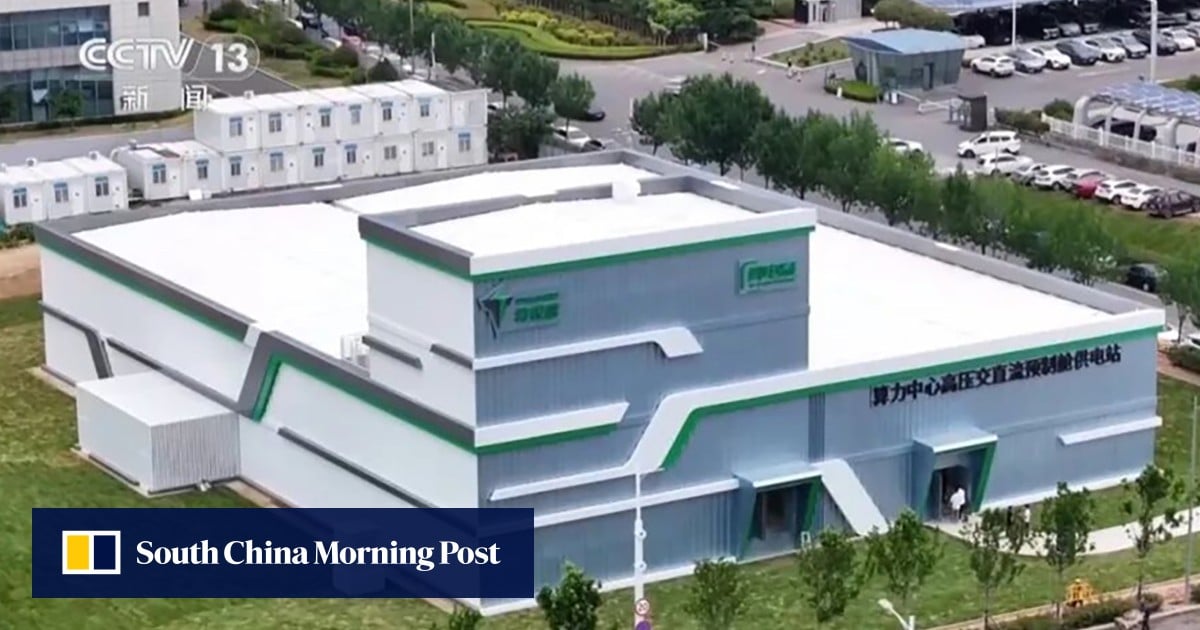 China is deploying prefabricated energy hubs to power smart factories with renewable energy, cutting costs and emissions amid rising AI-driven demand. The country has also launched a space-based computing institute, signaling Beijing's push to overcome terrestrial energy bottlenecks by moving compute infrastructure off-planet. These developments were showcased at the 2026 World Intelligence Expo, where green energy played a central role.
 Analysts are racing to identify which Chinese biotech firm could emerge as the country's answer to Pfizer, amid a strategic push for pharmaceutical self-sufficiency. Washington's latest AI chip export guidance is raising fresh concerns for Chinese tech companies already facing tightened semiconductor restrictions. Separately, China has approved the world's first invasive brain-computer chip, marking a major milestone in the neural interface race.
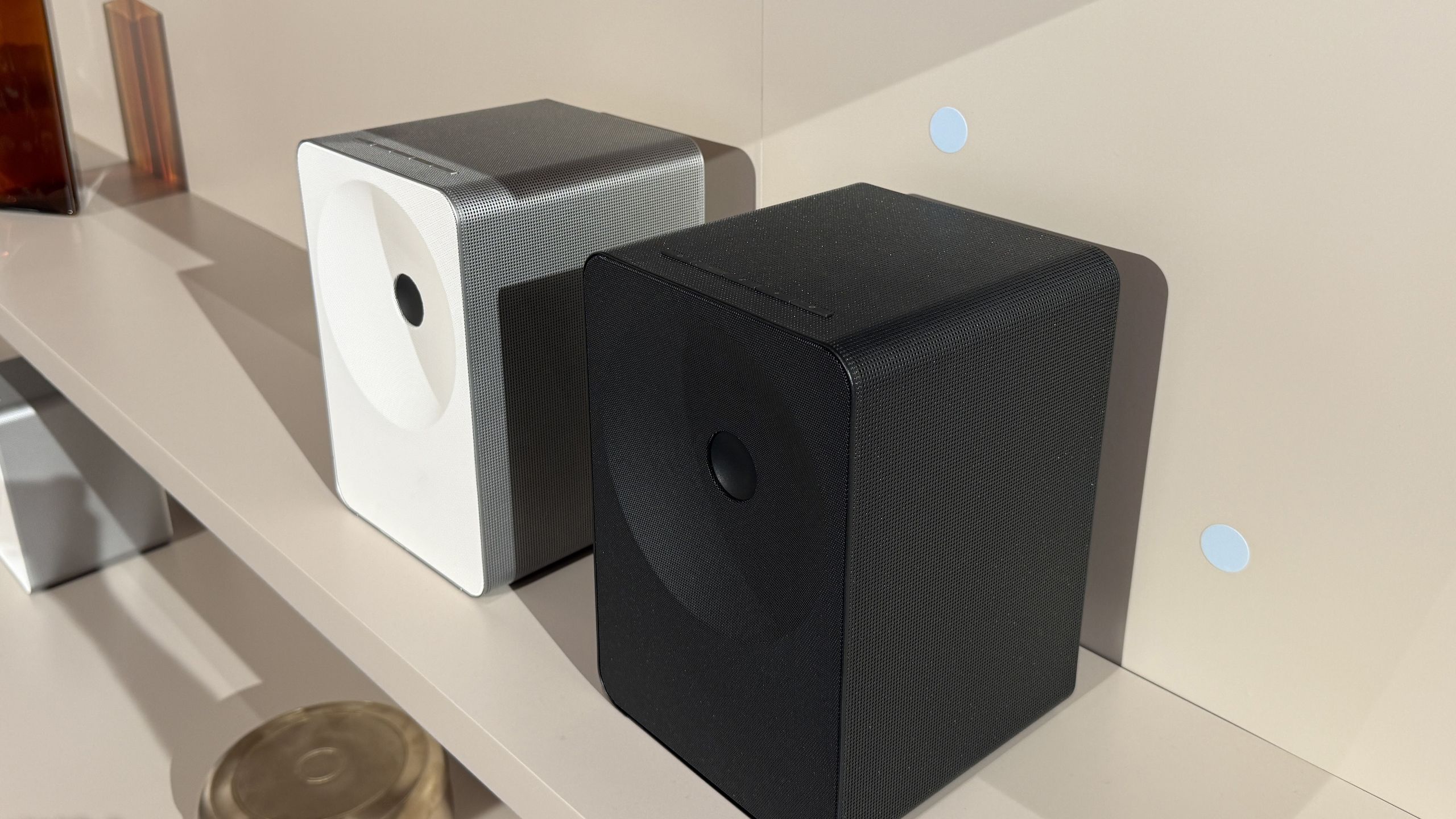 Wireless Dolby Atmos home theater speakers are poised to replace traditional soundbars in 2026, offering cable-free immersive audio for home cinema enthusiasts. The Summer Game Fest 2026 kicked off in Los Angeles with major reveals, while the Future Game Show Summer Showcase is set to feature detailed previews of upcoming titles including Exodus. These developments signal a busy season for gaming and home entertainment hardware.
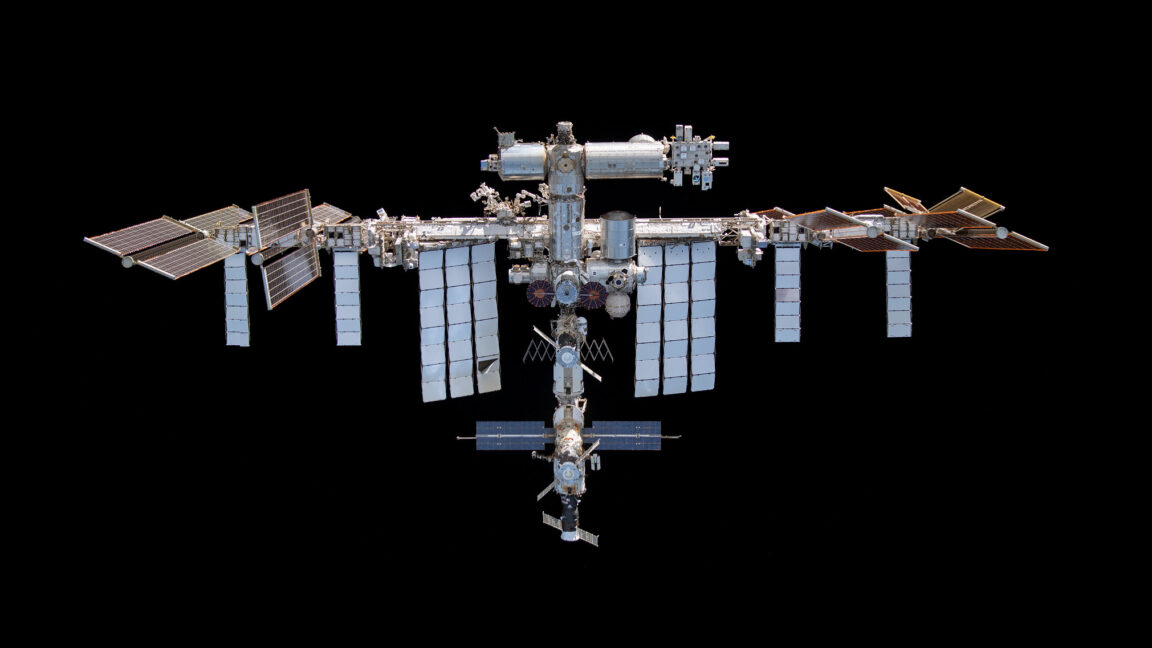 A persistent air leak on the International Space Station took a concerning turn as astronauts were forced to take shelter due to heightened risk. The leak originated from a Russian module and has been a recurring issue, but the latest incident prompted emergency protocols. The situation has renewed scrutiny of the aging ISS infrastructure and Russia's role in its maintenance.