 Qtrends
Dolby Atmos wireless speakers set to replace soundbars in 2026
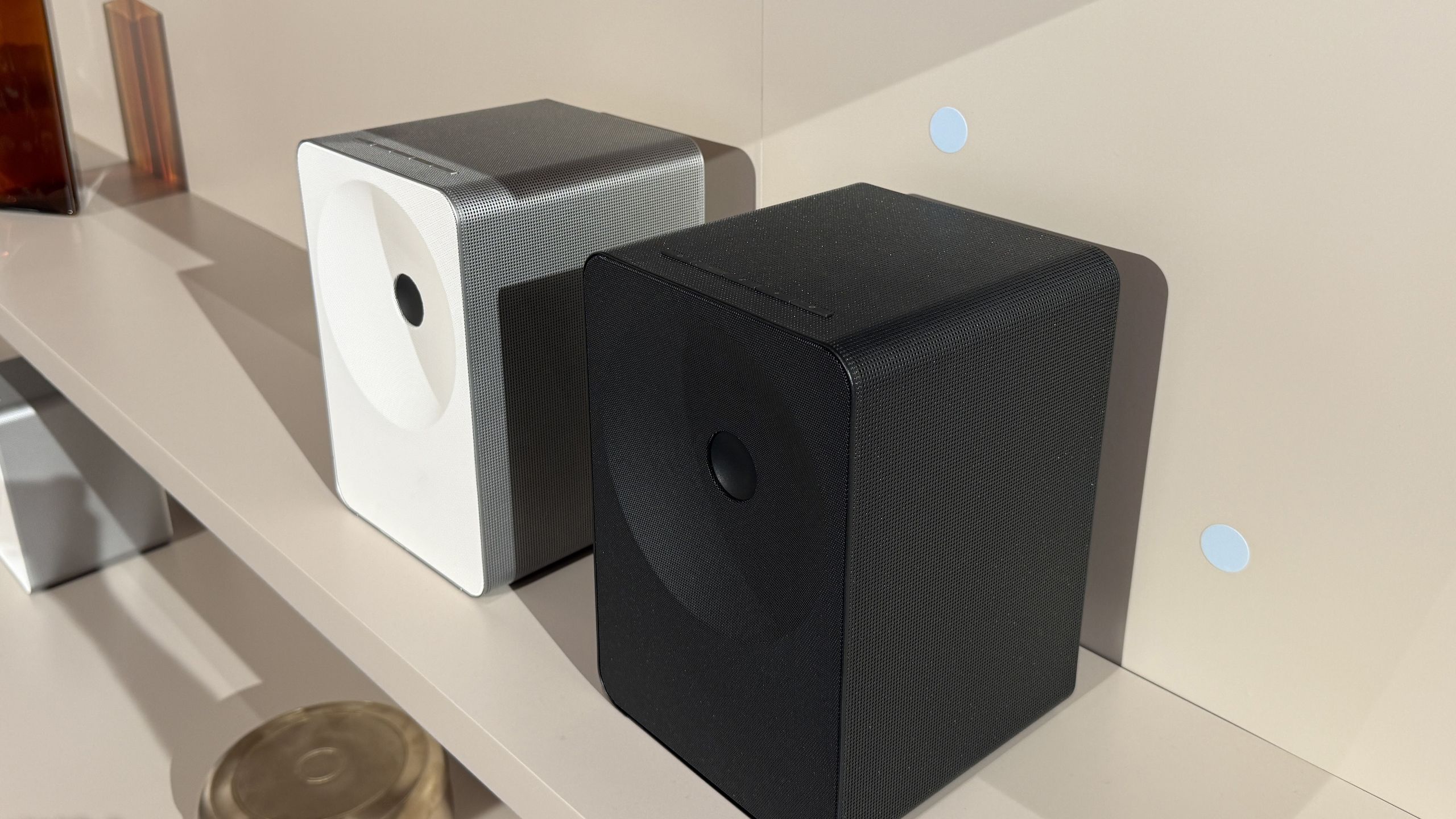 Dolby Atmos wireless home theater speakers are gaining momentum as a compelling alternative to traditional soundbars, with 2026 expected to be the breakout year. TechRadar reports that cutting the cables no longer means sacrificing immersive audio quality. Meanwhile, Summer Game Fest 2026 is underway in Los Angeles, featuring live coverage and major game announcements. The Future Game Show Summer Showcase is also set to air tomorrow with new trailers and reveals including detailed looks at Exodus.
Sources:
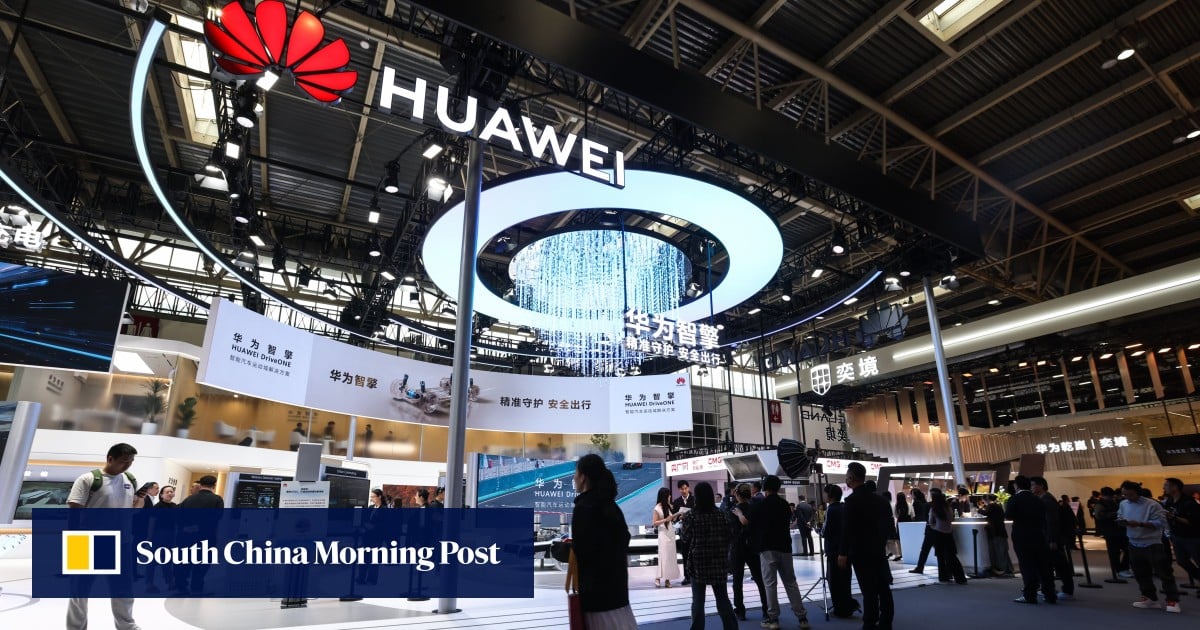 A Huawei-led team has successfully post-trained DeepSeek's 1.6-trillion-parameter model using 1,000 Ascend 910C chips, marking a significant milestone for China's AI self-reliance. While Chinese chipmakers have made strides in supporting AI inference, they continue to struggle with the more complex training workloads. Separately, Chinese optical module maker Zhongji Innolight has surged to the top of a major stock benchmark, driven by soaring demand from Alphabet, Amazon, Meta, and Huawei.
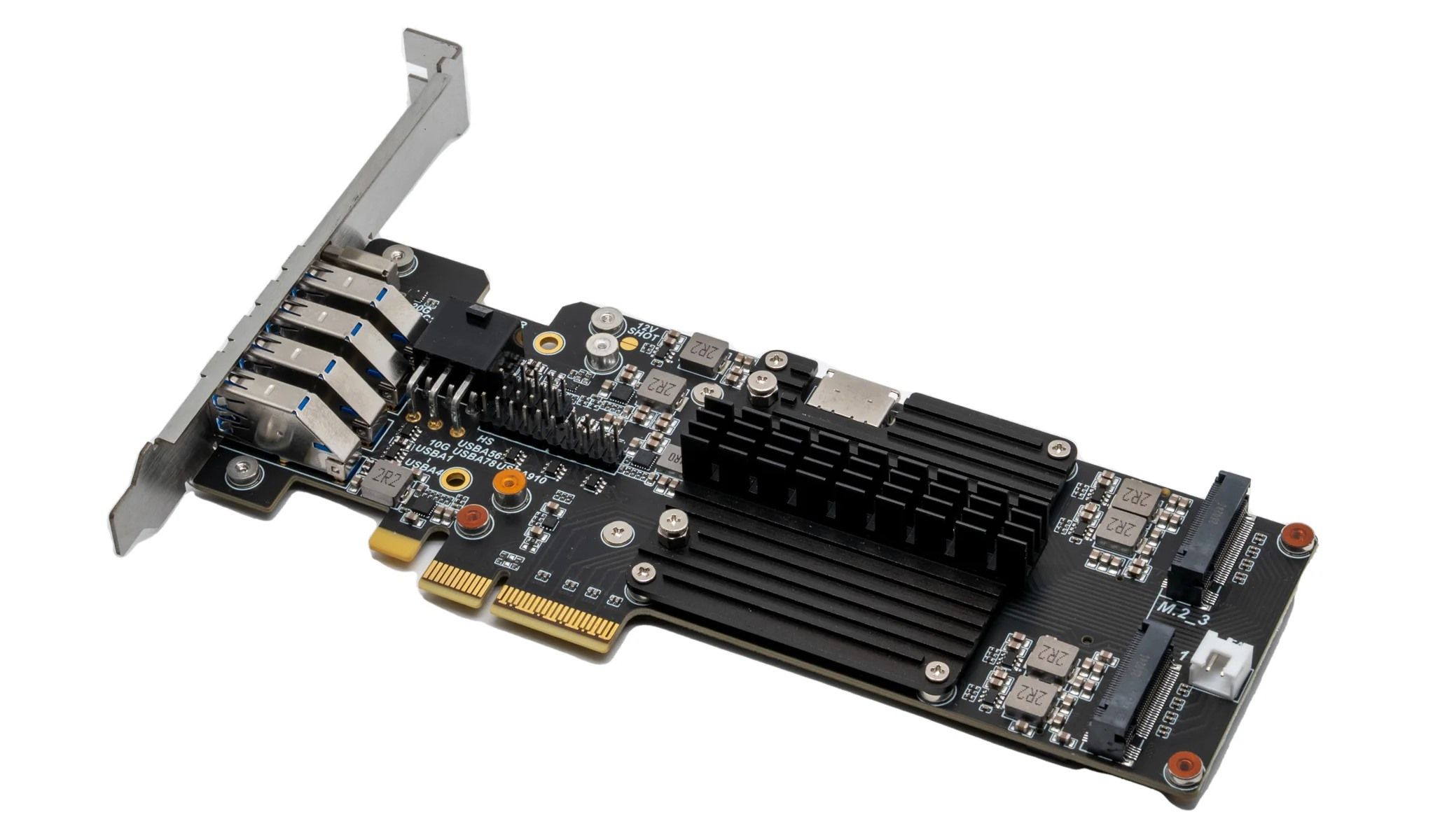 AMD B650 expansion cards have hit retail starting at $199, offering new upgrade paths for PC builders. A compelling hardware bundle combines a 2TB PCIe 4.0 SSD, 750W power supply, and 240mm AIO cooler for $300 — nearly $200 in savings. On the extreme end, a $6,000 semi-truck gaming rig received a major upgrade, showcasing the continued appetite for high-end custom PC builds.
 The long-running saga of an air leak on the International Space Station took a worrying turn on Friday, with reports that astronauts were forced to take shelter. Work on Russia's leaky ISS module triggered concerns, leading to precautionary measures. Scientific American and Digital Trends both covered the incident, highlighting growing safety concerns aboard the aging orbital laboratory.
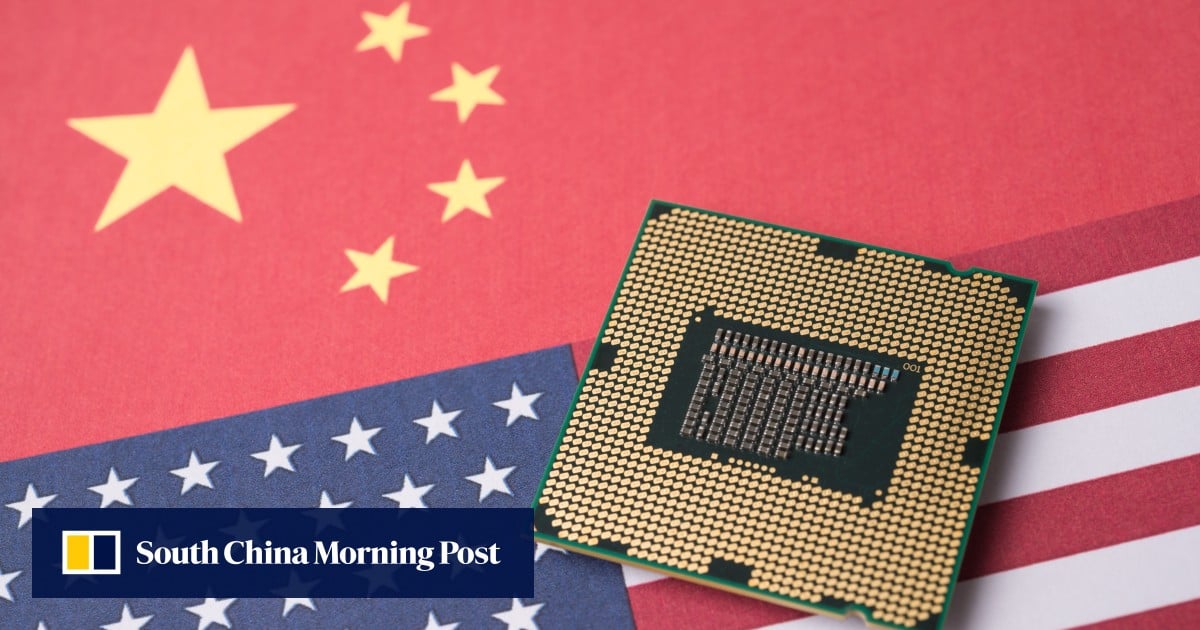 Washington released new AI chip guidance affecting Chinese technology firms, drawing criticism from Beijing. Lawyers note the document is more a clarification of existing rules rather than a brand-new curb. Meanwhile, Chinese memory makers are stepping up competition against South Korea's chip industry leaders. In a separate breakthrough, China has approved the world's first invasive brain-computer chip, signaling major advancement in neural interface technology. A new theoretical framework also promises to transform the chip manufacturing sector.