 Qtrends
US tightens AI chip rules on China amid semiconductor rivalry
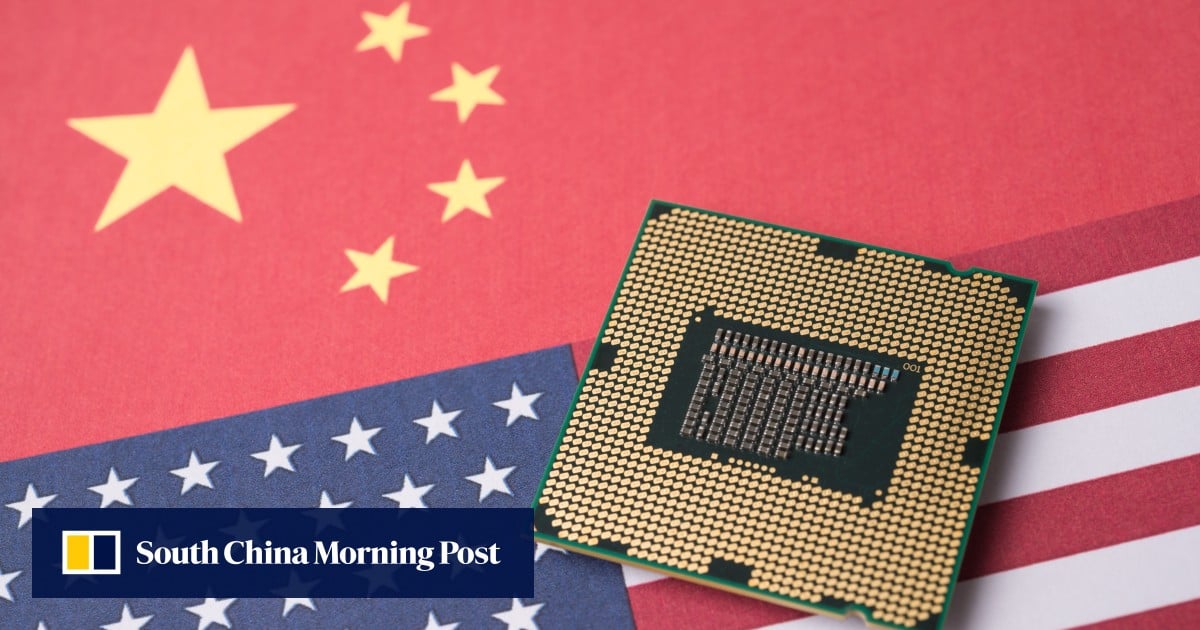 The Biden administration issued new AI chip guidance targeting Chinese tech firms, drawing criticism from Beijing. Legal experts say the document is more a clarification than a new restriction. Chinese memory manufacturers are mounting a serious challenge to South Korean chip leaders, while China approved the world's first invasive brain-computer chip, signaling growing ambition in advanced semiconductors.
Sources:
New theory promises to transform chip sector
(China Daily)
 Anthropic co-founder Jack Clark told BBC's Newsnight that AI could reach a point where it develops without human input. The company called for an international option to pause frontier AI development, though critics remain unconvinced of the immediate threat. The debate comes as AI technologies continue advancing faster than anticipated.
 The AI industry is grappling with runaway token costs as companies scramble to manage infrastructure expenses. Courts are overwhelmed by a flood of AI-generated lawsuits, raising questions about legal system capacity. Meanwhile, small businesses are finding ways to leverage AI tools, and partnerships highlight China's growing AI strength.
 A giant data center project was cut by 50% following intense community protests. Seattle is set to pass a one-year moratorium on AI data centers next week. An industry coalition urged the Trump administration to take urgent action as AI data centers' extreme memory and power consumption threaten other industries. The tensions were on full display at Computex in Taipei.
 A new app lets anyone control a robot from their phone without coding, democratizing robotics. Researchers question whether AI chatbots are eroding human cognitive control. WeChat opened up to smartphone AI assistants after backlash from ByteDance, signaling a shift in the platform AI assistant battle.