 Qtrends
Anthropic co-founder warns need to slow AI development
 Jack Clark, co-founder of Anthropic, told BBC's Newsnight that AI could reach a point where it develops without any human input, stressing the urgent need for the ability to slow such systems down. The warning comes amid rapid AI advancements and growing global debate on regulation. China Daily reports on AI-driven smart living concepts, while MIT Review rounds up key trends in AI. Anthropic also partnered with the University of Tokyo to study generative AI usage patterns.
Sources:
AI pushes concept of smart living
(China Daily)
10 Things That Matter in AI Right Now
(MIT Review)
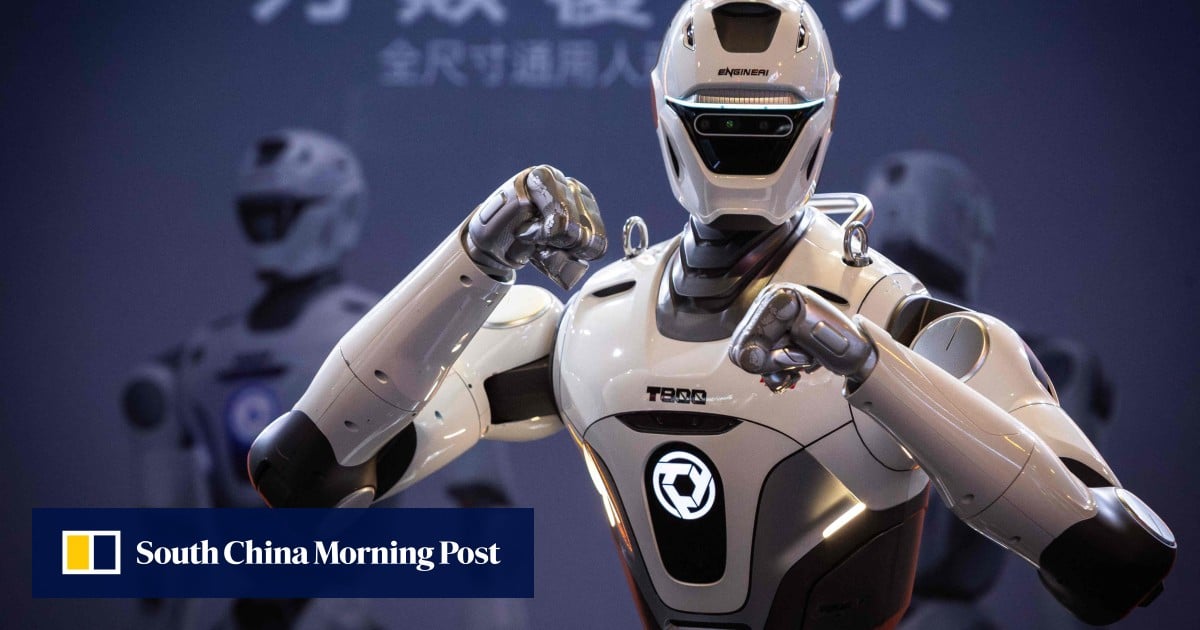 China's Spirit AI claims its embodied intelligence foundation model has become the first from the country to top the global RoboArena leaderboard, surpassing Nvidia's offering. The achievement raises questions about a brewing tech war between the US and China in robotics. Separately, a consultancy firm published a list of China's AI leaders, and an Italian professor praised China's progress in AI and robotics.
 Apple has approved Poke as the first AI agent on its Messages for Business platform, marking a significant step for AI commerce. Facebook launched an AI Creator Assistant designed to act as a personal content strategist. A US startup is also betting on the Japanese market with AI agents that can tap live web data, signaling a broader push of conversational AI into commercial messaging.
 A Guardian journalist recounts a year-long experiment letting AI into her home, work and personal life, reflecting AI's deepening societal integration. Anthropic's Daniela Amodei, ahead of the company's IPO, dismisses doubts about AI's commercial returns. Meanwhile, the Pope released a philosophical framework called Magnifica Humanitas offering guidance for individuals navigating the AI era.
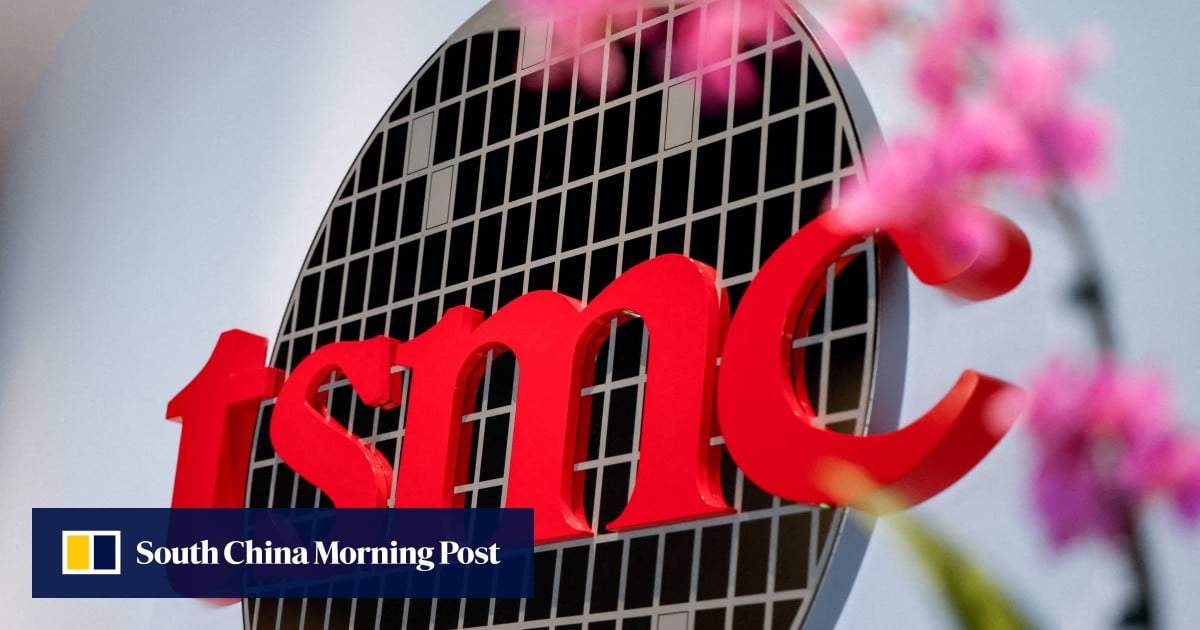 TSMC says it is not afraid of mainland Chinese chip rivals, as its chairman Wei comments on the expanding mature-node capacity of mainland foundries and Huawei's pursuit of alternative chip-scaling approaches under US sanctions. China Daily reports on a new theory that promises to transform the chip sector. Separately, Samsung's upcoming Galaxy Z Flip 8 may avoid chip shortages but not for all buyers.