 Qtrends
OpenAI and Anthropic agree on AI bioweapons pledge
 OpenAI CEO Sam Altman and Anthropic CEO Dario Amodei, often at odds, have jointly signed a letter opposing the use of AI to develop biological weapons. The pledge, covered by WIRED and Gizmodo, marks a rare moment of agreement between the two leading AI firms. Separately, a group of mathematicians has signed a declaration calling for stricter limits on AI use in their field, as reported by Scientific American. These moves reflect growing concern across scientific disciplines about the dual-use potential of advanced AI systems.
 Astronomers have finally unraveled a 50-year-old puzzle about the supermassive black hole at the center of the Milky Way, according to Scientific American. New findings suggest a moon-sized primordial black hole may be drifting within our galaxy, challenging conventional astrophysical models. The discoveries open fresh questions about galaxy formation and the nature of dark matter.
 Shokz has released the OpenDots 2, a new pair of clip-on wireless earbuds that promise significantly improved volume and bass compared to their predecessors. Engadget and Gizmodo report that the company is targeting the premium audio market with the new design. Industry observers note that open-ear earbuds are finally becoming practical for everyday use, marking a turning point in the wearable audio category.
 China is courting foreign companies by opening its telecom sector, even as the United States tightens technology restrictions on Chinese firms, SCMP reports. WeChat and similar super-apps remain the primary gateways to the internet for Chinese consumers. Meanwhile, a growing number of US firms are turning to China's DeepSeek as a cost-effective alternative to expensive Silicon Valley AI providers, with DeepSeek topping trending lists among companies seeking alternatives to OpenAI and Anthropic.
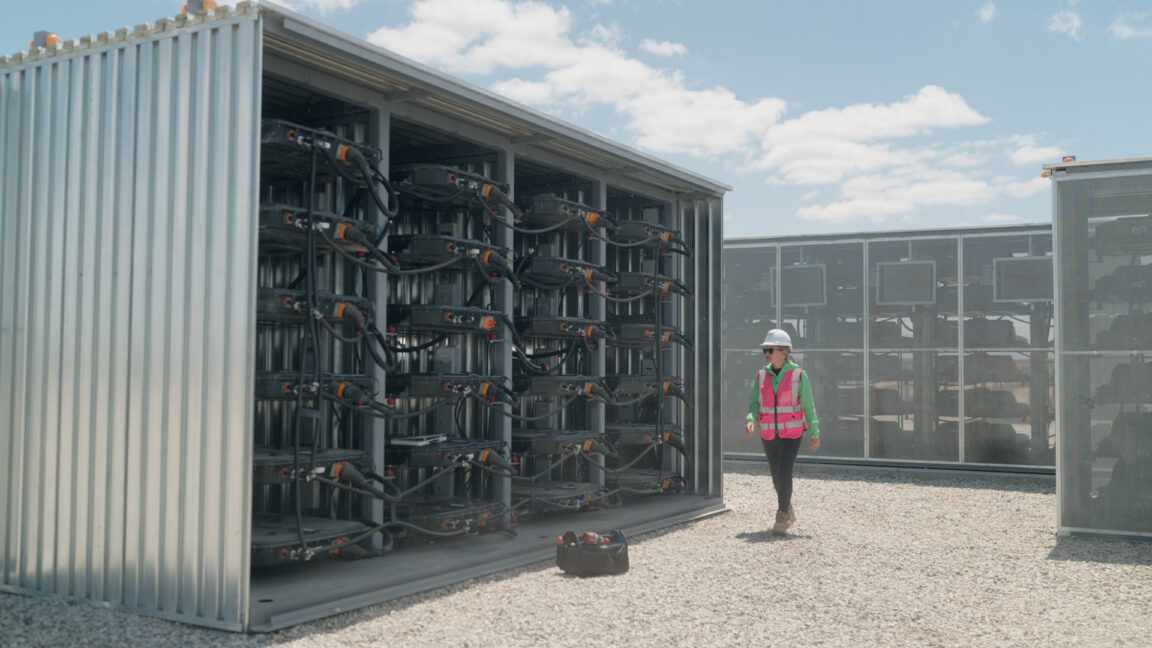 Used batteries from Waymo robotaxis are being repurposed as backup storage for power grids, Ars Technica reports, offering a circular-economy model for EV batteries. In India, unviable battery storage projects are threatening the country's renewable energy goals, according to Nikkei Tech. Hitachi and Ricoh are collaborating to build low-cost modular EV battery plants, signaling growing momentum in distributed battery manufacturing.