 Qtrends
AI rivals unite against AI-driven bioweapons threat
 OpenAI and Anthropic, led by CEOs Sam Altman and Dario Amodei, have jointly signed a public letter pledging to prevent AI from being used to develop biological weapons. The rare show of unity between the two competing firms underscores growing concern over AI misuse. Meanwhile, mathematicians have also issued their own declaration calling for tighter controls on AI usage in academic research.
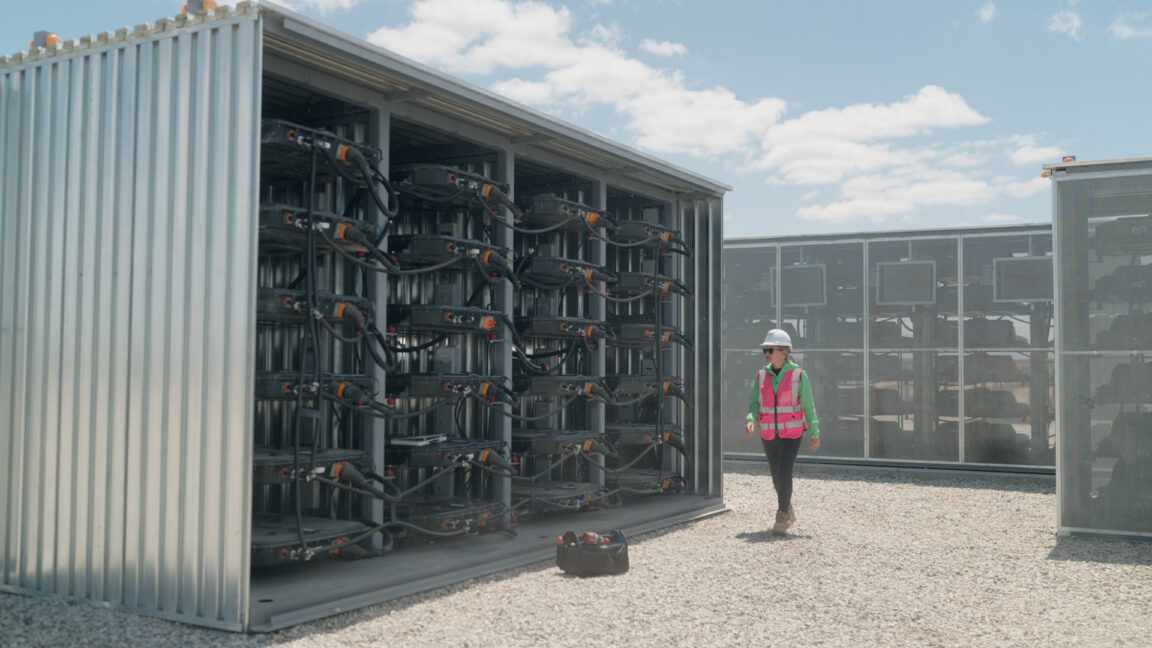 Waymo is repurposing used robotaxi batteries for backup power grid storage, turning EV waste into a grid asset. In contrast, India's battery storage projects face viability challenges that could derail clean energy targets. Hitachi and Ricoh have announced plans to build low-cost modular EV battery plants, aiming to lower production costs and scale deployment.
 A UN University report reveals that common courtesies like saying "please" and "thank you" to AI chatbots consume vast amounts of electricity and water, contributing to AI's growing environmental footprint. The report urges users to adopt more efficient interaction habits to reduce energy waste. Digital Trends echoes the call, suggesting users can help save the planet simply by being less polite to bots.
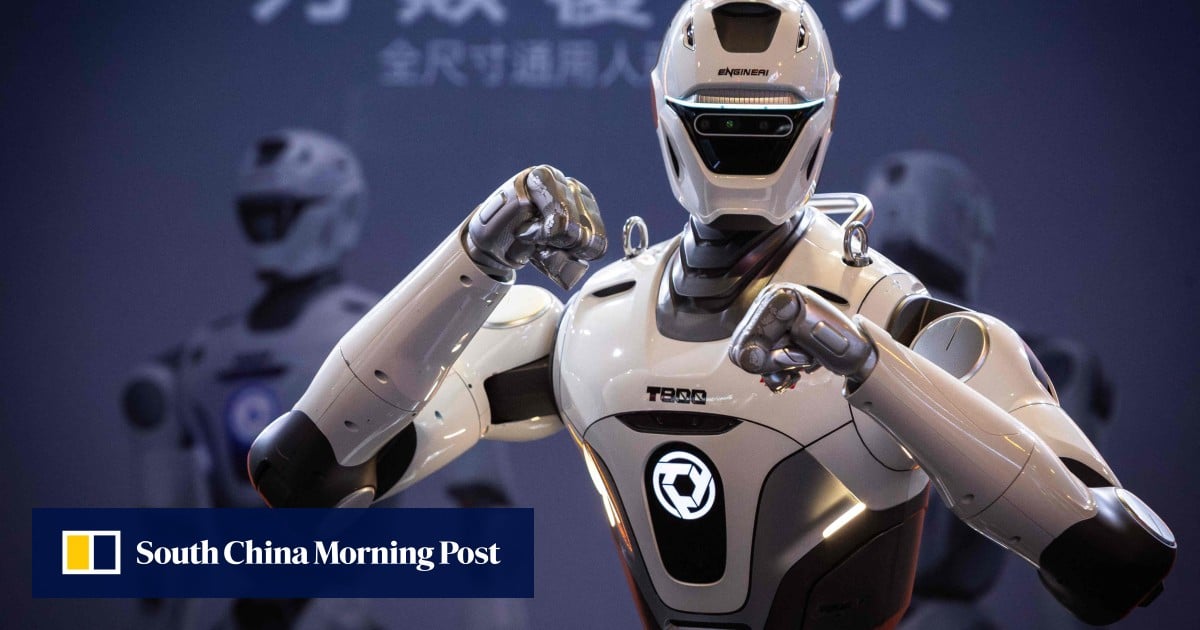 Chinese startup Spirit AI has topped the RoboArena global robotics leaderboard with its embodied intelligence foundation model, marking the first time a Chinese company has surpassed Nvidia-backed competitors. Italian academics praised China's rapid AI and robotics advancements. Alibaba has opened its Qwen AI model to third-party apps, signaling an intensified agent race across China.
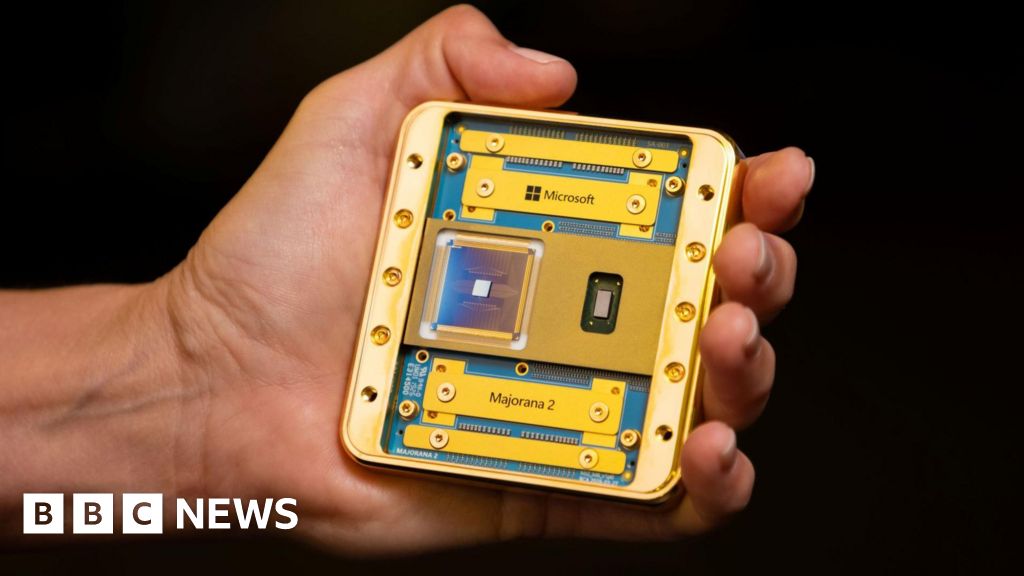 Microsoft has announced a new quantum chip that it claims is 1,000 times more reliable than its predecessor, positioning it as a major step toward practical quantum computing. Atom Computing and EeroQ also shared updates on their quantum progress. However, Scientific American reports that the chip has a fundamental design problem that challenges the company's reliability claims.