 Qtrends
Microsoft unveils quantum chip with major reliability leap
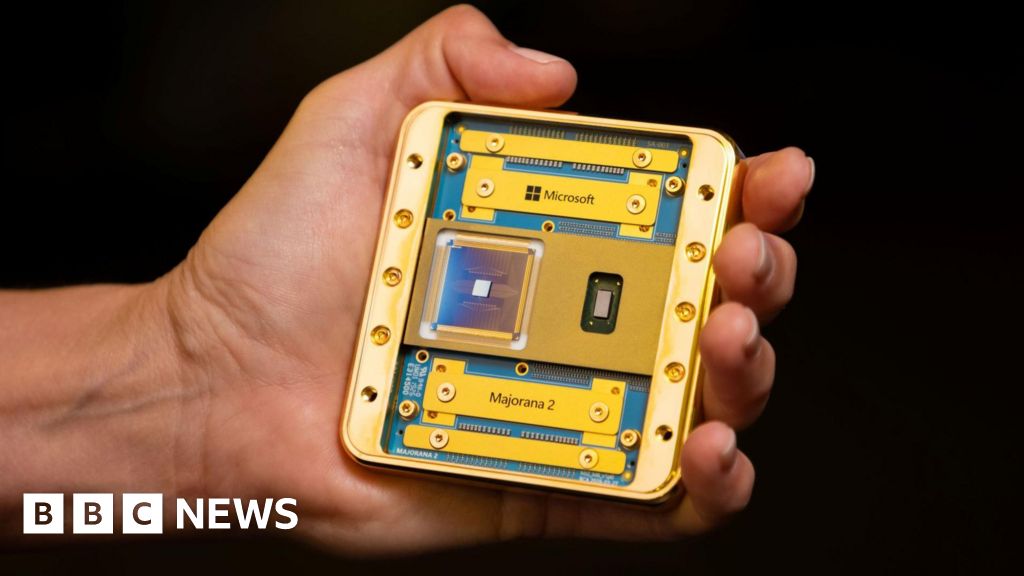 Microsoft has announced its next-generation Majorana 2 quantum computing chip, claiming it is 1,000 times more reliable than its predecessor. The tech giant predicts it will have a commercially useful quantum computer by the end of the decade. However, Scientific American reports the chip faces fundamental technical challenges, while also questioning what practical problems quantum computers can actually solve.
Sources:
Microsoft’s new quantum computer chip has a fundamental problem
(Scientific American)
Quantum computing is reaching its make-or-break moment
(Scientific American)
What’s a quantum computer good for, anyway?
(Scientific American)
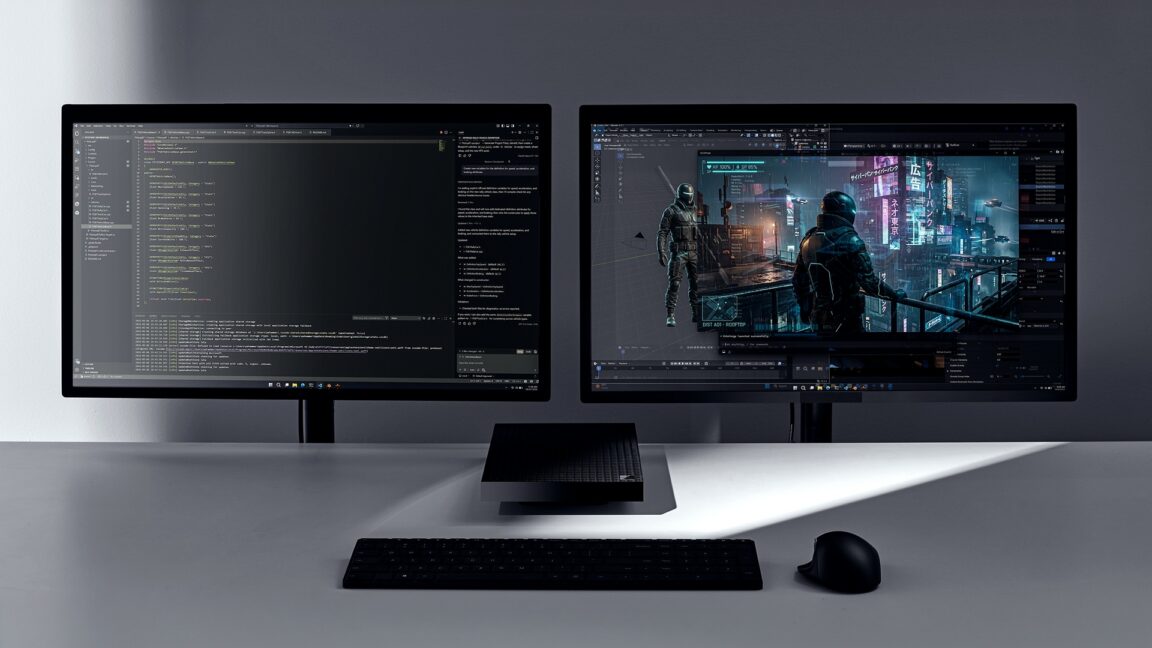 Microsoft unveiled the Surface RTX Spark Dev Box, an Nvidia-powered mini-PC designed to help developers build for an AI-driven Windows ecosystem. The device can handle tougher AI workloads locally and also features Linux tooling support. The launch signals Microsoft's push to equip developers before a wave of agentic Windows applications arrives.
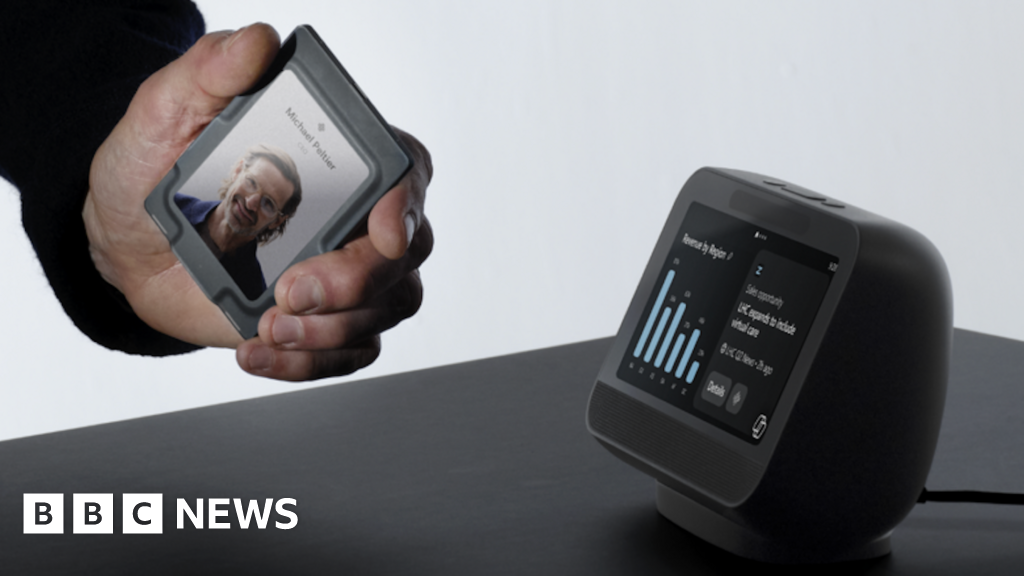 Microsoft is testing a wearable AI gadget called Scout aimed at office workers, described as an AI coworker that never logs off. The device is reportedly positioned as a personal assistant for workplace productivity. BBC confirms the testing phase, while TechCrunch and WIRED highlight Scout's potential to reshape how knowledge workers interact with AI.
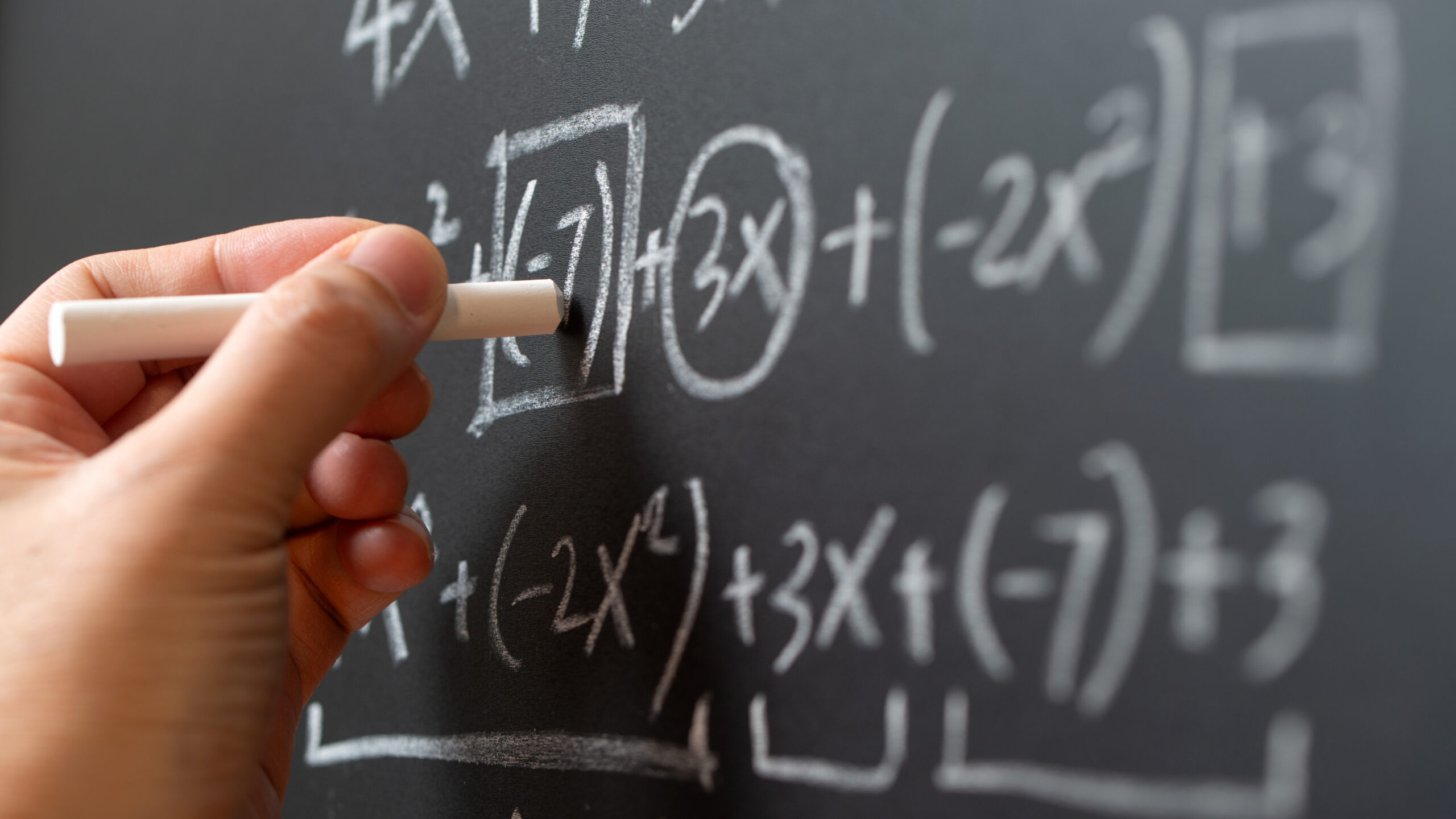 Microsoft unveiled its first AI reasoning model ahead of the anticipated OpenAI IPO, while simultaneously addressing legal fears that have slowed enterprise AI adoption. The company is offering indemnification to businesses deploying its AI models. Separately, mathematicians are warning that AI encroachment threatens the profession's future.
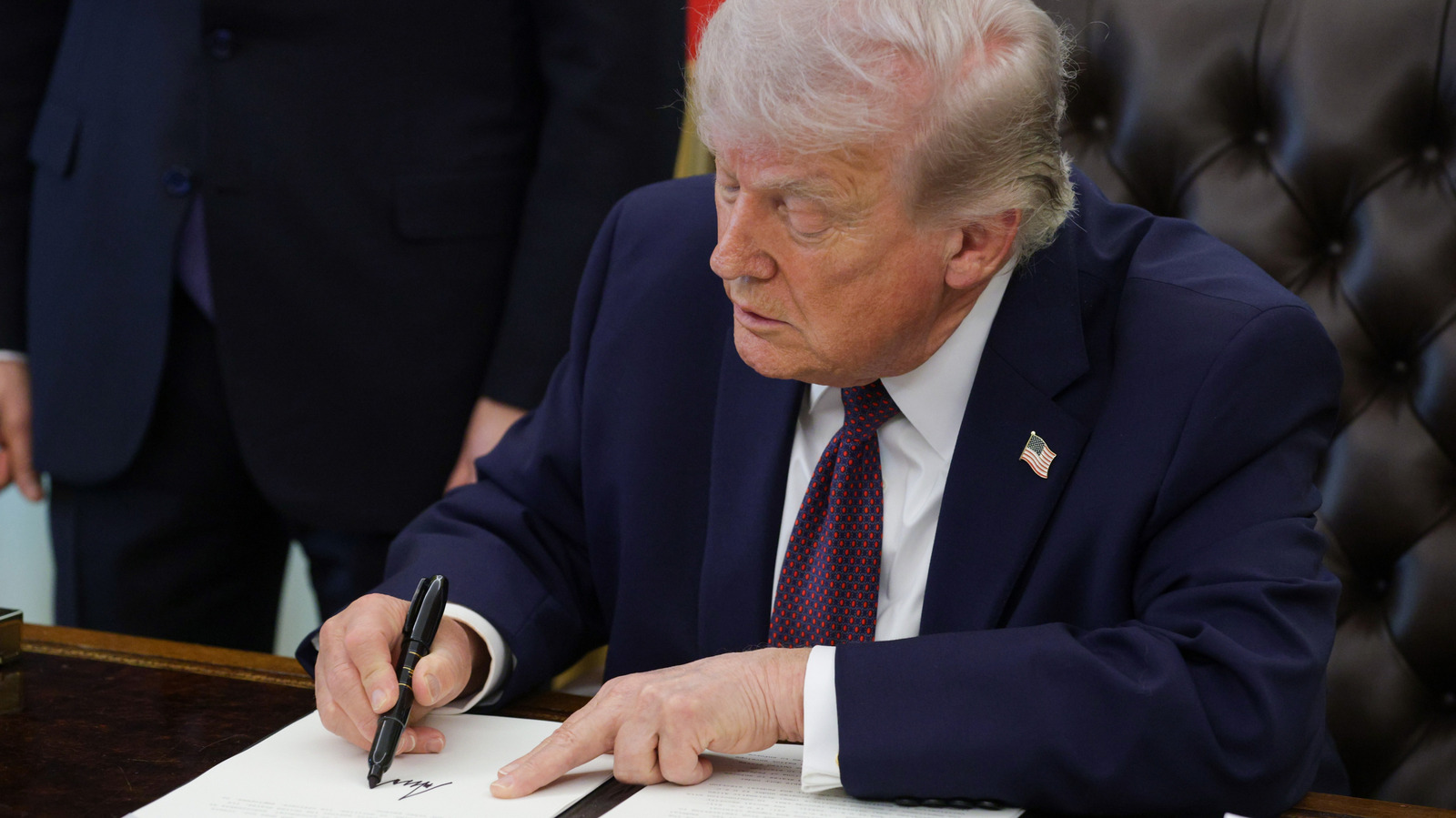 President Trump has signed a scaled-back executive order focused on AI cybersecurity, marking a shift in the administration's stance on AI regulation. The order requires American AI firms to submit their models for government cybersecurity testing. Scientific American notes this represents a significant departure from the administration's earlier hands-off approach to AI.