 Qtrends
Nvidia announces AI superchip for personal computers
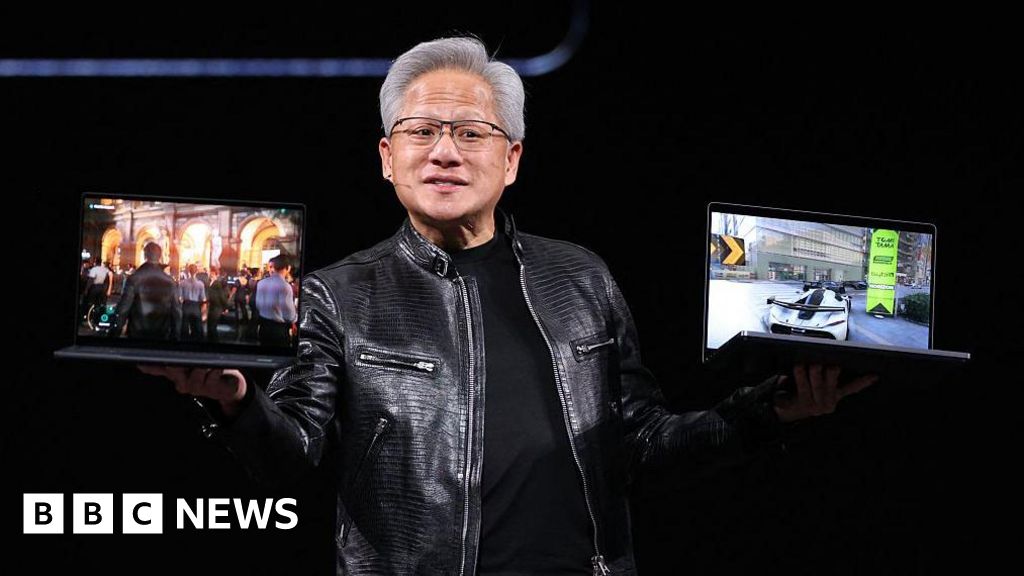 Nvidia CEO Jensen Huang unveiled the RTX Spark, a new AI superchip designed for laptops and desktop PCs, calling it the "reinvention of the computer." The chip brings powerful AI computing capabilities directly to personal devices rather than requiring cloud access. Coverage from BBC, The Guardian, Engadget, and Gizmodo highlights the significance of this shift for both consumers and the AI industry.
Sources:
 The United States has closed a loophole that allowed Chinese-owned subsidiaries located outside China to purchase AI chips. In response, Chinese tech giants are pivoting from Nvidia-dominated GPUs toward custom ASIC designs to bypass export restrictions. Separately, China has approved the world's first invasive brain-computer chip, signaling continued domestic innovation in advanced chip technology.
 An OpenAI model has solved or disproved a famous mathematical conjecture that had stumped humans for 80 years, marking one of AI's biggest mathematical breakthroughs. The achievement has sparked significant discussion in the scientific community, with mathematicians engaging deeply with the AI's findings. Coverage from Ars Technica, Gizmodo, and Scientific American underscores the milestone's importance for AI reasoning capabilities.
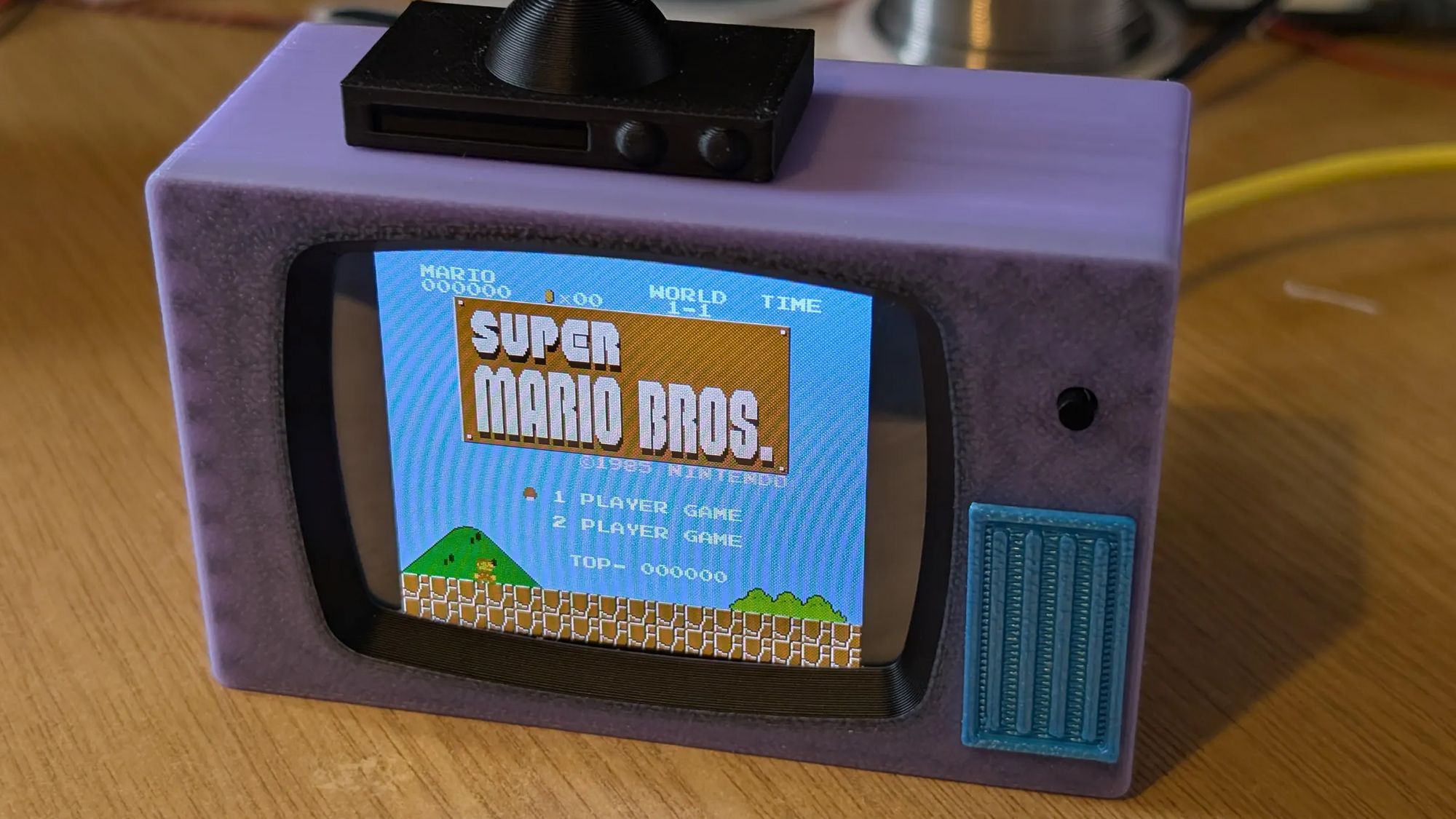 A handcrafted retro-style mini television featuring a 2.8-inch screen can play classic NES games and stream movies. Coverage also includes warnings about Best Buy repair technicians leaking customer photos via AirDrop, and tips on using Android's built-in tools to free up storage space without third-party apps.
 Chinese robotics company Unitree demonstrated dance-capable humanoid robots at Global Sources Hong Kong Shows. Meanwhile, the Tianjin World Intelligence Expo featured a wide array of humanoid robots, flying vehicles, and drone shows, highlighting China's rapid advances in AI-powered consumer electronics and robotics. Coverage from SCMP and China Daily captures the scale of these technology exhibitions.