 Qtrends
Acer unveils gaming handheld, 1,000Hz monitor and new laptops
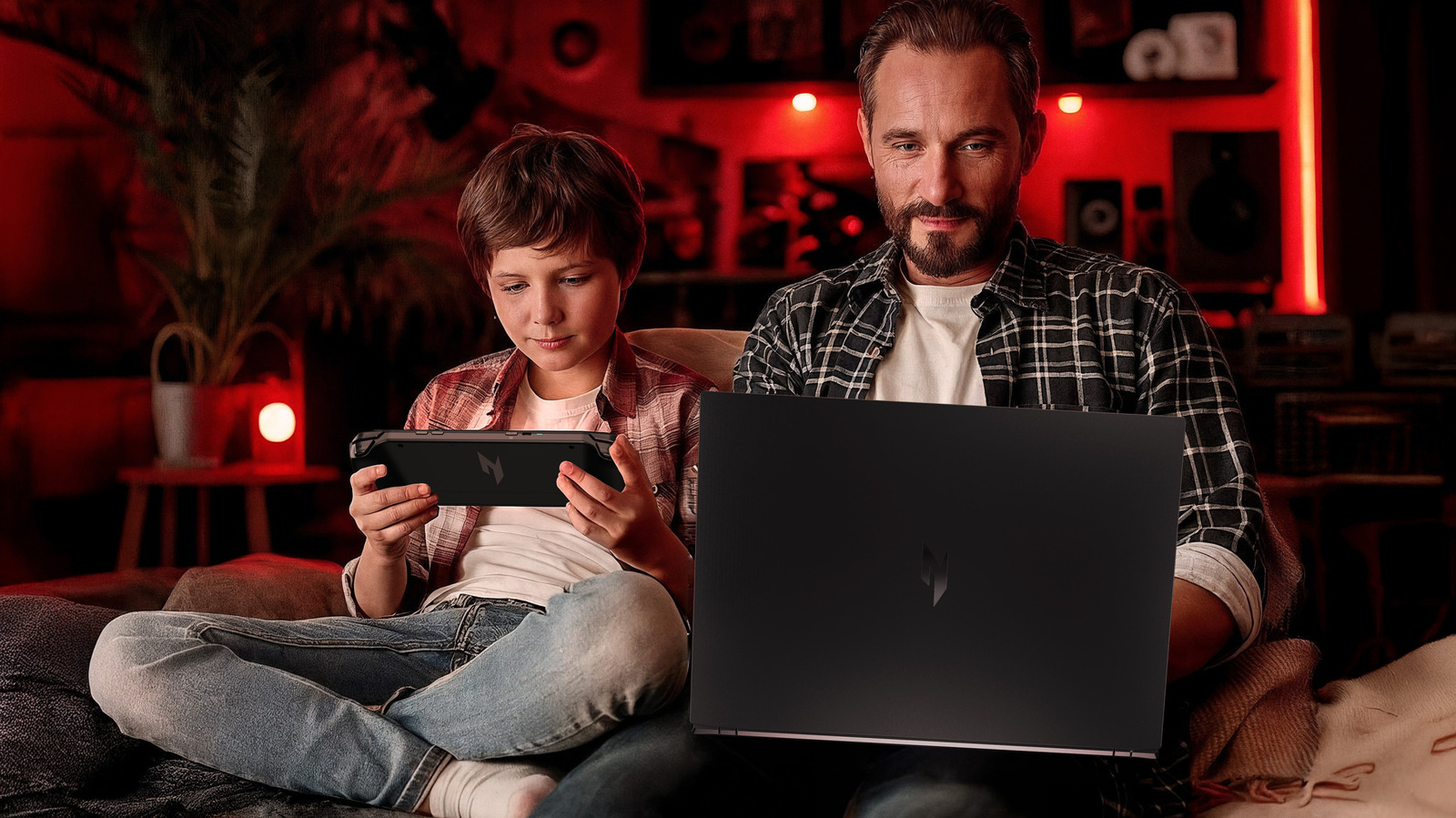 Acer announced a companion handheld device designed to pair with its gaming PCs, expanding its portable gaming ecosystem. The company also introduced a budget laptop powered by Qualcomm's Snapdragon C chip, targeting cost-conscious consumers. On the high end, Acer unveiled the first laptop with AMD's Ryzen 9 9955X3D processor and cranked its Predator gaming monitor refresh rate to an industry-leading 1,000 Hz. The product blitz signals Acer's aggressive push across multiple gaming and mobile segments.
Sources:
Acer unveils first Ryzen 9 9955X3D gaming laptoppublished29 May 26
(Tom's Hardware)
 Blue Origin's New Glenn rocket suffered a catastrophic explosion during testing at its Florida facility, creating a massive fireball. The failure is seen as a severe setback for the company's heavy-lift launch program and raises questions about its timeline to compete with SpaceX. Analysts describe the incident as especially damaging given New Glenn's role in supporting NASA's Artemis moon missions. The explosion also threatens Blue Origin's commercial satellite launch contracts already on the books.
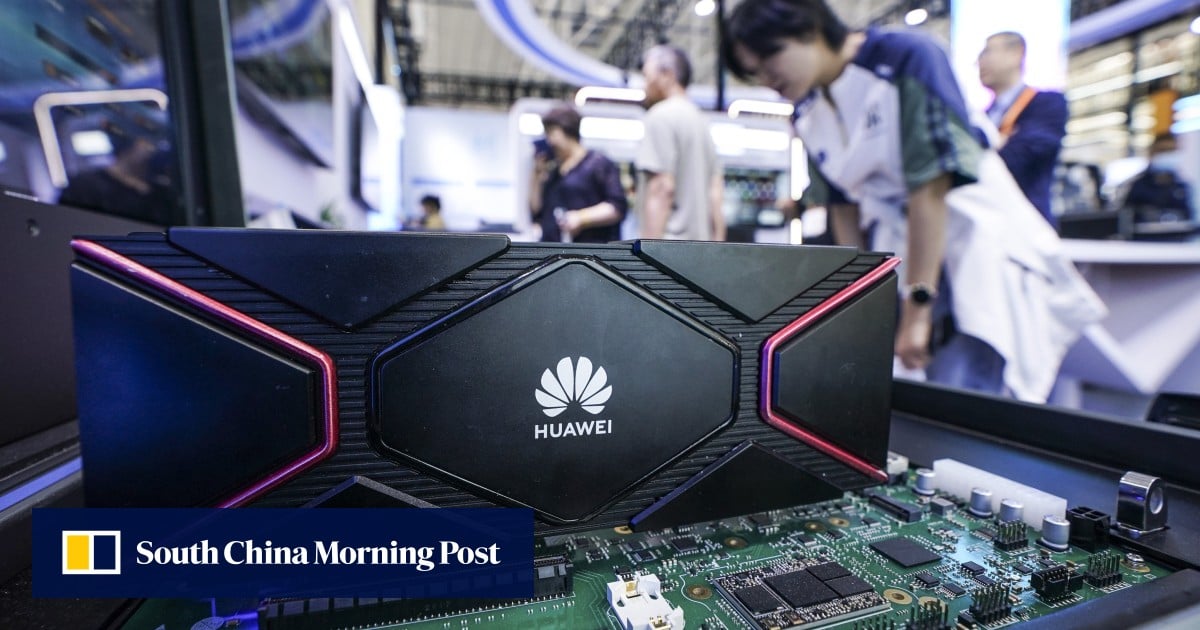 Huawei has announced plans to develop 1.4nm-equivalent chips, a move that challenges the effectiveness of ongoing US technology sanctions against the company. The announcement has sparked debate among industry observers about whether Huawei's so-called 'Her's Law' represents a genuine semiconductor scaling breakthrough or strategic marketing. Chinese state media frames the development as proof that sanctions drive innovation, while skeptics question the technical feasibility without access to advanced EUV lithography tools. Either way, the push signals China's determination to achieve semiconductor self-sufficiency.
 Several prominent AI industry figures are pushing back against the narrative that AI coding agents will eliminate human jobs. Cognition CEO Scott Wu explicitly stated that AI tools should augment rather than replace developers. A WIRED report critically examined an author who used AI to write about truth and authenticity, finding the results unconvincing. Meanwhile, MIT Technology Review articles provide a reality check on AI job hysteria and analyze how Google I/O signals a shift in AI-driven science. The overall message from the industry is one of cautious optimism tempered by realism.