 Qtrends
AI in the workplace: calls for worker oversight and coder reliance debates
 A TUC-backed report argues workers should have greater influence over how AI is deployed in their workplaces. Meanwhile, Cognition CEO Scott Wu suggests AI coding agents are tools to augment rather than replace human developers. TechCrunch also reports that some coders now refuse to work without AI assistance, raising concerns about over-dependence on generative tools.
 WIRED reports on a contentious interview with an author who used AI in his work on the future of truth. MIT Review pushes back on AI job-displacement fears, arguing for a more measured view. Google I/O this year highlighted a shift in how AI is being applied to accelerate scientific discovery, while a broader roundup identifies ten key areas shaping AI development right now.
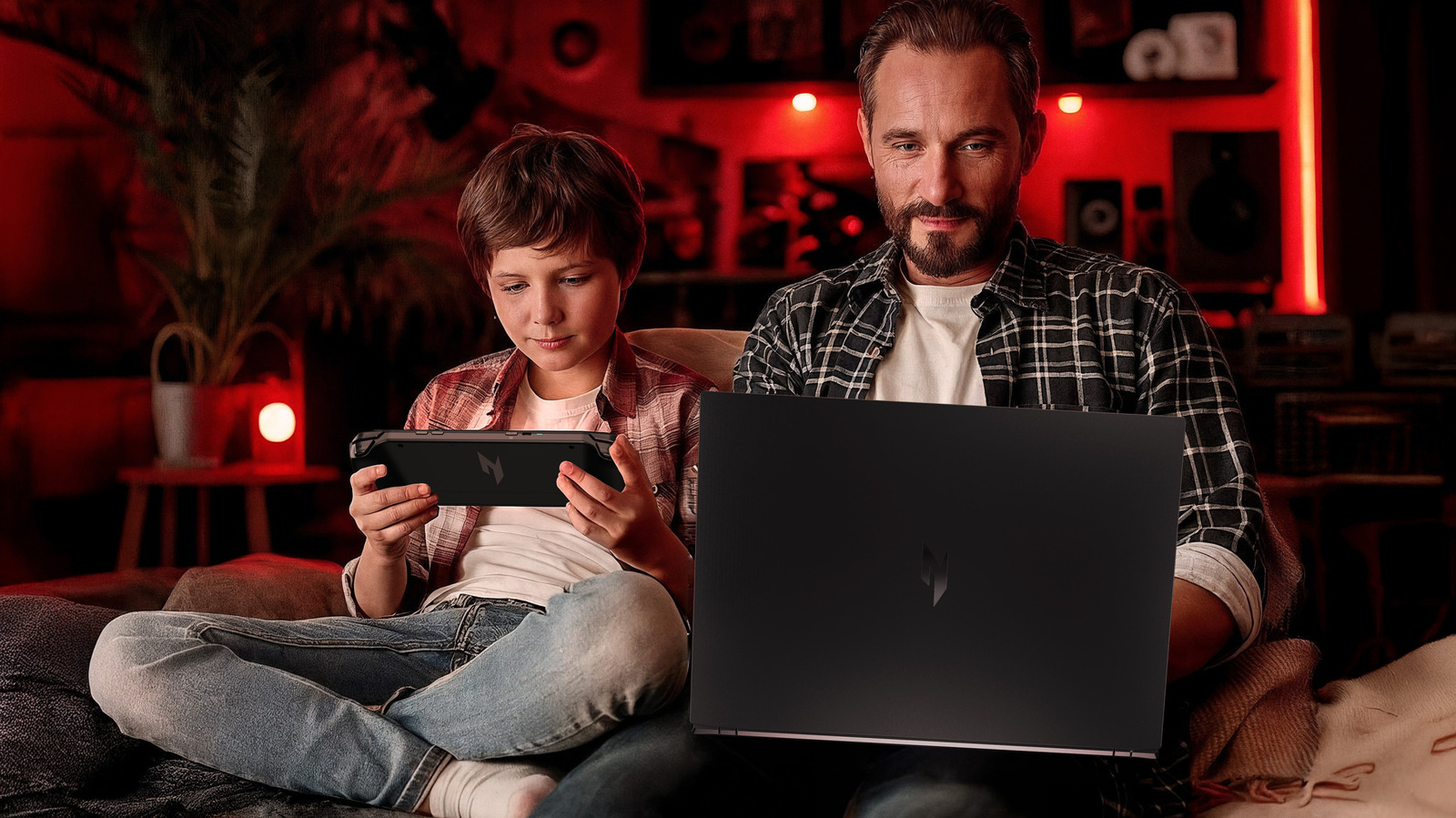 Acer announced a companion handheld device designed to pair with its gaming PCs, expanding its portable gaming ecosystem. The company also released a budget laptop powered by Qualcomm's Snapdragon C chip, and a high-end gaming laptop featuring the first Ryzen 9 9955X3D processor. On the display front, Acer's latest Predator gaming monitor pushes refresh rates to an unprecedented 1,000 Hz.
 Blue Origin's New Glenn rocket suffered a catastrophic explosion during testing at Cape Canaveral, producing a massive fireball. Ars Technica characterizes the failure as deeply damaging to the program, while Scientific American notes the incident jeopardizes NASA moon missions that depended on the vehicle. The explosion marks one of the most severe setbacks for Blue Origin in recent years.
 Peking University has developed a chip design tool compatible with Huawei's LogicFolding architecture, aiming to bolster the company's semiconductor capabilities. Huawei separately announced a target of producing 1.4nm-equivalent chips despite ongoing US export restrictions. Nikkei Tech frames the situation as a case study in sanctions-driven innovation, coining the term 'Her's Law' for Huawei's accelerated development trajectory.