 Qtrends
Sony unveils True RGB Bravia TVs in landmark launch
 Sony has officially launched its new-generation True RGB televisions under the Bravia series, a breakthrough that industry watchers say marks the start of a new era in display technology. The Bravia 9 II and Bravia 7 II bring RGB-based panels that deliver significantly improved color accuracy and brightness. TechRadar reports that the Bravia 7 II also introduces the world's first 50-inch RGB TV at a more accessible price point. Sony also unveiled the Bravia Theatre Trio, a wireless Dolby Atmos home cinema system designed to compete with high-end speaker setups while offering the convenience of a soundbar.
Sources:
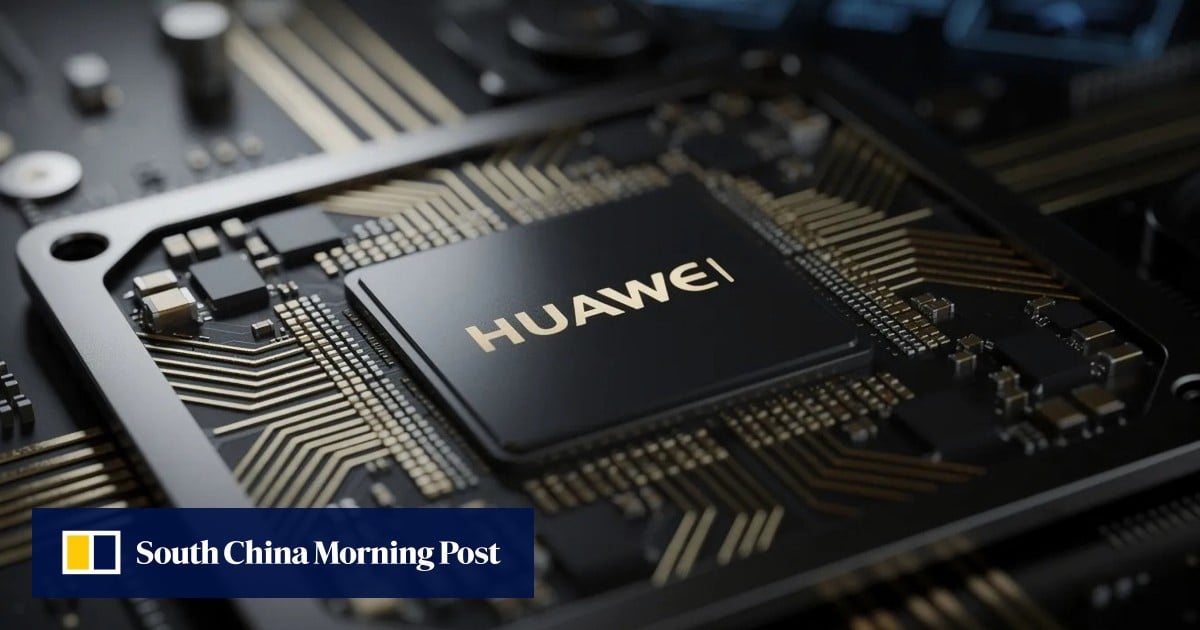 Peking University has unveiled a new chip design tool that aims to power Huawei's semiconductor ambitions despite ongoing US sanctions. The tool represents a strategic effort to advance chip design capabilities without access to the most advanced fabrication equipment. SCMP reports that Huawei is betting on innovative design approaches to overcome supply chain restrictions. Meanwhile, Huawei chip executive He Tingbo, dubbed China's 'chip queen,' is presenting a new semiconductor strategy focused on what the company can still build, shifting the narrative away from its equipment limitations.
 Valve has brought the Steam Deck back in stock after months of shortage, but the return comes with massive price increases that have infuriated the gaming community. The Steam Deck OLED 512GB model now costs $789, while the 1TB version has climbed to $949 — a significant jump from previous pricing. Ars Technica notes the restock comes with a sting, and Gizmodo declares the price hikes have 'ruined the Steam Deck.' Tom's Hardware confirms the price adjustments across all OLED models, sparking debate about Valve's pricing strategy for its handheld gaming device.
 A longtime Google security engineer has been charged in New York with insider trading for allegedly using internal company data to make $1.2 million in bets on the prediction market platform Polymarket. The charges mark a rare case of insider trading enforcement in the relatively unregulated prediction market space. BBC, TechCrunch, WIRED, and Engadget all report on the case, which involves a Google employee accused of exploiting access to confidential corporate information. The arrest highlights growing scrutiny of insider trading on decentralized betting platforms.
 Several notable AI developments emerged this cycle. TechCrunch highlights a curious limitation in Google's AI — it cannot correctly spell 'Google' or other basic words, revealing fundamental gaps in how large language models process text. WIRED reports that former Google and Apple researchers have launched a startup to build AI's missing feedback loop. Meanwhile, the Occupy Wall Street co-founder created an AI app aimed at helping activists access computing resources. Separately, Google I/O demonstrated how the path for AI-driven scientific research is shifting, per MIT Technology Review.