 Qtrends
Google engineer charged in $1.2M Polymarket insider trading case
 A Google security engineer has been arrested and charged with insider trading after allegedly using confidential information to place bets on Polymarket, netting over $1.2 million. The case marks one of the most high-profile enforcement actions involving decentralized prediction markets. Federal regulators allege the engineer traded on non-public details about upcoming company announcements and product launches. The incident raises questions about how traditional insider trading laws apply to blockchain-based betting platforms.
 Google's AI models continue to struggle with basic spelling tasks, including spelling the company's own name, highlighting persistent limitations in large language models. Former Google and Apple researchers have launched a startup focused on building AI's missing feedback loop to improve model learning. Google I/O 2026 demonstrated a notable shift in the company's AI strategy toward science-driven applications. Meanwhile, a separate initiative from Occupy Wall Street's co-founder aims to give activists decentralized AI computing resources.
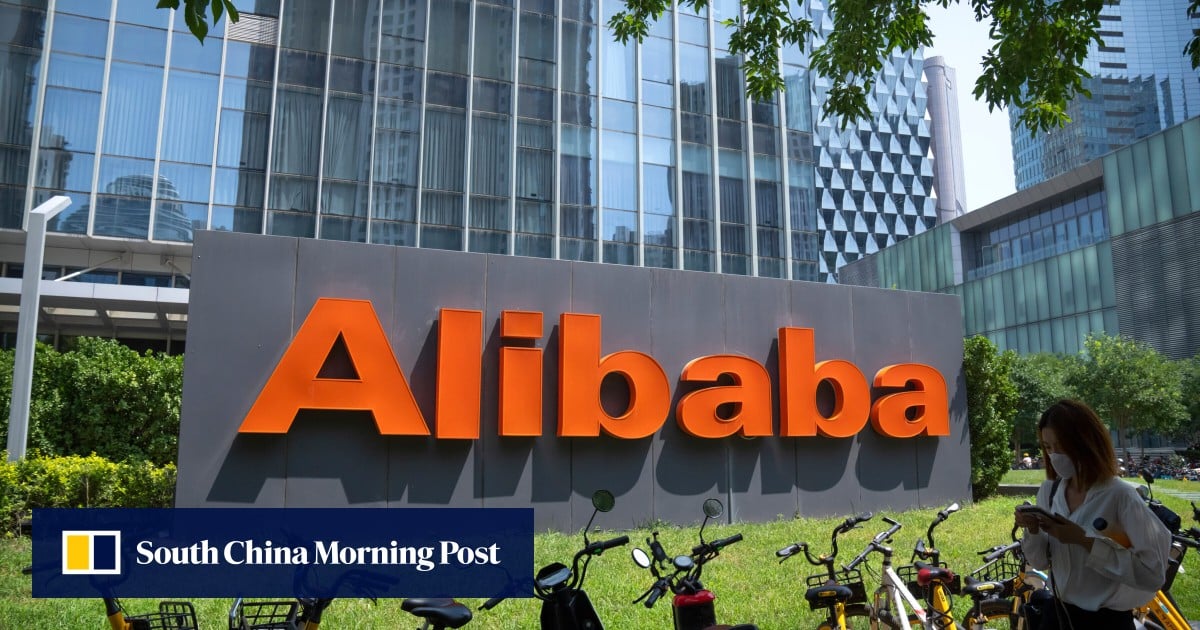 Alibaba's AI model has surpassed Google and OpenAI in global coding benchmark rankings, marking a significant milestone for Chinese AI development. The model's performance signals intensifying competition between US and Chinese tech firms in AI capabilities. AI technology is also making significant inroads into the global smartphone market, driving new features and upgrades. In Japan, SoftBank is rallying top domestic manufacturers for a homegrown AI project.
 Scientific American features a series of articles examining quantum computing's current state, highlighting both its potential and its unresolved challenges. Researchers have demonstrated that quantum systems can generate perfect randomness, offering a new approach to data security and encryption. Another line of research explores using small quantum computers to dramatically enhance telescope resolution in astronomy. The overall consensus is that quantum computing is approaching a make-or-break moment where practical applications must materialize to justify continued investment.
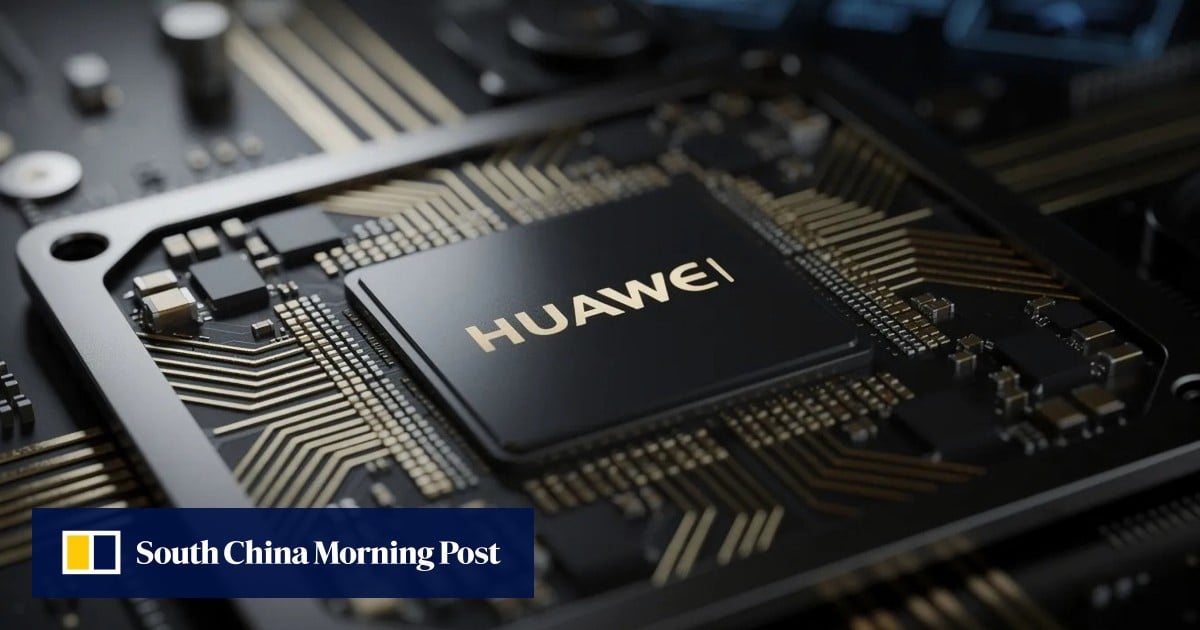 Peking University has unveiled a new chip design tool compatible with Huawei's LogicFolding architecture, aimed at advancing China's semiconductor capabilities. Huawei continues to seek ways to compete with top-tier chips despite lacking access to advanced chipmaking equipment due to US sanctions. The company has announced a target of producing 1.4nm-equivalent chips through alternative design methodologies. These developments underscore China's accelerating push for semiconductor self-sufficiency in the face of ongoing trade restrictions.