 Qtrends
Steam Deck OLED gets massive price hike
 Valve has restocked the Steam Deck OLED after months of shortages, but the console now carries significantly higher prices across all models. The 512GB version has jumped to $789, while the 1TB model now costs $949. The price increases have drawn sharp criticism from gamers and tech reviewers, with many questioning the value proposition of Valve's handheld gaming device.
Sources:
Valve just made the Steam Deck OLED much more expensive
(Digital Trends)
 Kuaishou reported that its Kling AI video generation tool has seen revenue jump 300%, reaching an annual recurring revenue run rate of roughly $500 million. AI coding startup Cognition raised $1 billion at a $25 billion pre-money valuation, signaling continued investor confidence in AI development tools. However, Goldman Sachs warned that AI agent workloads could increase token demand by 24 times, potentially straining infrastructure budgets.
 The James Webb Space Telescope has detected a supermassive black hole in the early Universe that appears to have formed before its host galaxy. This "naked" black hole challenges the conventional understanding that black holes grow alongside their galaxies. Scientists suggest this discovery may force a revision of current cosmological models about the co-evolution of galaxies and their central black holes.
 A series of Scientific American articles explores the practical future of quantum computing, from generating perfect randomness for cryptography to enabling supersized telescopes through quantum entanglement. The coverage frames quantum computing as approaching a make-or-break moment where real-world applications must be demonstrated to justify continued investment.
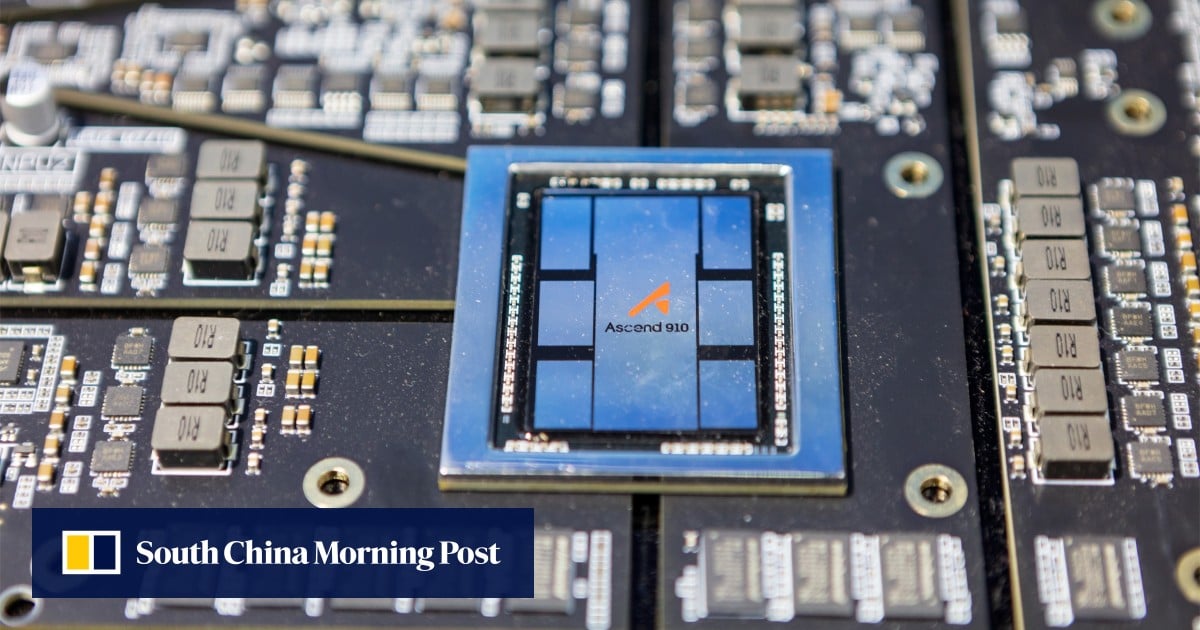 China has expanded its trusted technology certification system to include AI processors, adding homegrown AI chips to the government procurement list for the first time amid US export restrictions. This move accelerates Beijing's push for semiconductor self-sufficiency. Meanwhile, SpaceX has publicly acknowledged it cannot find enough chips for orbital AI computing, warning that demand 'significantly exceeds' current available supply.