 Qtrends
Iran internet restored after three-month wartime blackout
 Internet access is gradually being restored in Iran following a three-month nationwide blackout that began with the outbreak of war in late February. Reports indicate connectivity is returning to multiple cities, ending one of the longest internet shutdowns in the country's history. The blackout had severely restricted communication and access to information for millions of Iranians. The restoration marks a significant development as the conflict situation evolves.
Sources:
Iran’s cable threats expose the aging fleet that fixes the Internet
(Scientific American)
 NASA is actively progressing toward building a permanent base on the Moon, with discussions now including details such as establishing a perimeter for the facility. The agency has outlined plans to construct the lunar base at the Moon's South Pole, a strategically important region with potential water ice resources. NASA is also planning up to three additional lunar missions before the end of 2026 to support these ambitions. These developments signal a renewed push for sustained human presence on the lunar surface.
 Samsung union members have voted in favor of a deal granting chip workers average bonuses of up to $400,000, effectively ending a months-long strike threat. The agreement, which cleared legal challenges, awards roughly $340,000 on average to semiconductor division employees. The substantial bonuses reflect the critical importance of Samsung's chip business amid the global semiconductor boom. The deal represents a major resolution to what could have been significant labor disruption at one of the world's largest chipmakers.
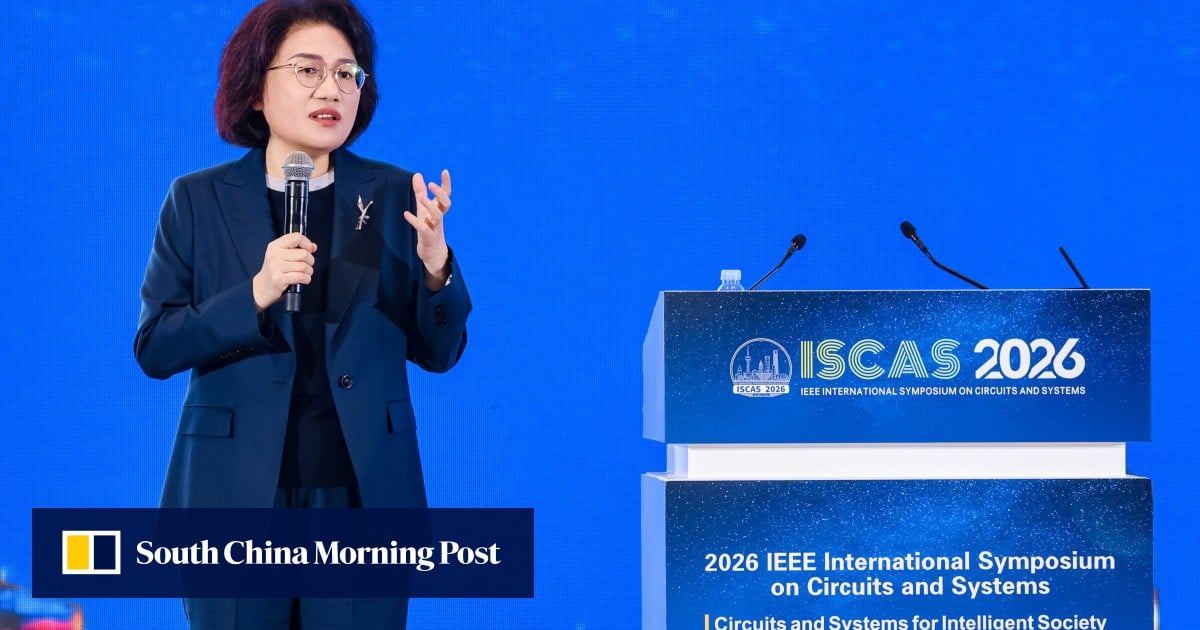 Huawei is aggressively pursuing semiconductor self-sufficiency, unveiling a target to produce 1.4nm-equivalent chips despite stringent US export controls. The company's 'chip queen' He Tingbo is leading efforts to rewrite China's semiconductor strategy, focusing on architectural innovation rather than relying on advanced fabrication equipment. Nvidia is reportedly 'likely the most concerned' about Huawei's progress in developing new chip architectures. These developments mark significant steps in China's push for technological self-reliance in advanced semiconductors.
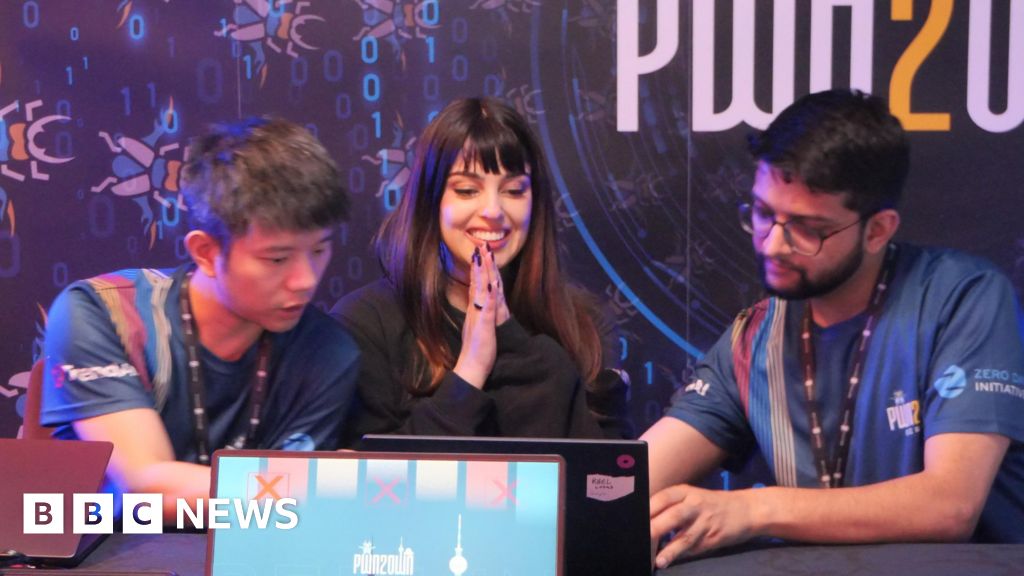 A champion ethical hacker has warned that AI-powered tools like Mythos will make cybersecurity competition increasingly difficult for human participants. US law enforcement has issued warnings about rising 'anti-tech extremism' as public resentment toward AI grows. Meanwhile, millions of AI agents are reportedly vulnerable to a critical security flaw in an open-source software package. These converging trends highlight growing tensions around AI safety, security, and societal impact.